 Retro Replay Retro Gaming History, Reviews & Emulation


Retro Replay Review
Gameplay
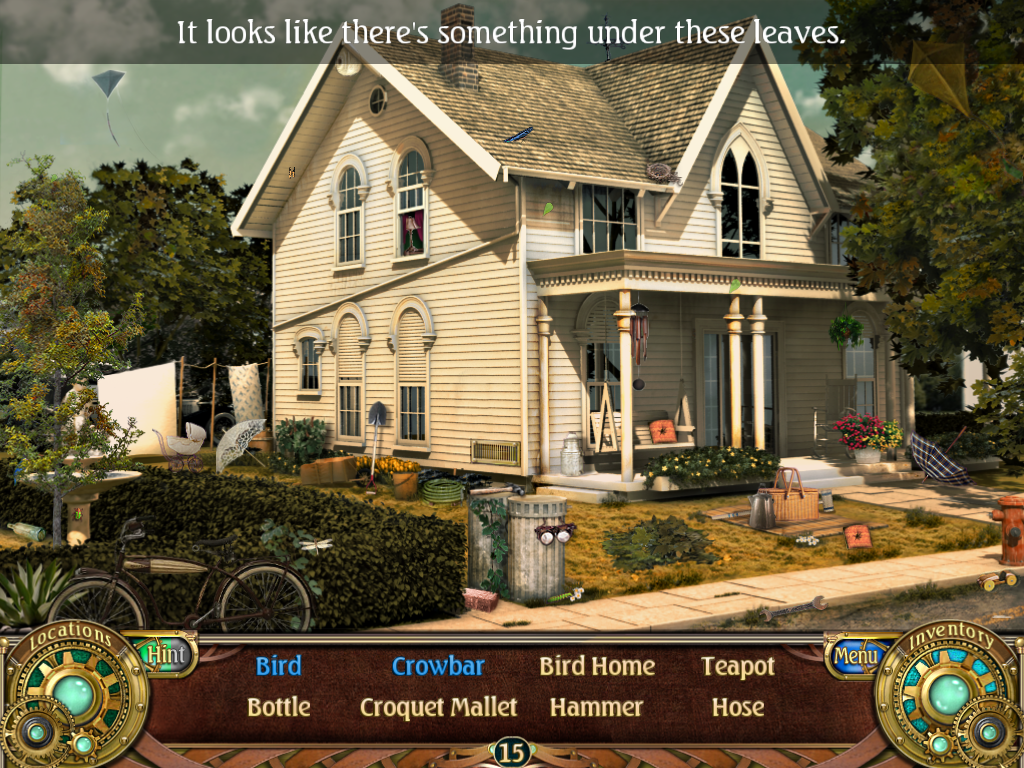
The first hour leans into the comforting routine hidden-object fans know well: arrive at a location tied to Amelia Earhart’s life, read a short bit of trivia, then comb the screen for a list of items. It is straightforward, but the historical framing gives the hunt more flavor than a string of disconnected clutter scenes. You are not just finding objects for their own sake; the game keeps pointing back to the aviator at the center of its mystery.
Before long, the lists become less self-contained. Some entries are hidden in blue until you use an inventory item on the right part of a scene, and tools often turn up somewhere else entirely. That adds a modest point-and-click adventure layer: drag an item from your inventory, test it against the scenery, and revisit an earlier location when a new tool makes sense there. When the connection is clear, this is the part that makes the game feel more involved than a pure seek-and-find exercise.
The backtracking can also be where patience starts to wear thin. A tool found in one location may send you searching through previous scenes for its use, and the hint button only reveals one needed object before it has to recharge. That limitation is fair enough when you are close to finishing a list, but less welcome when one tiny item is holding up progress. This is a game for slow, deliberate play rather than a brisk mystery you race through.
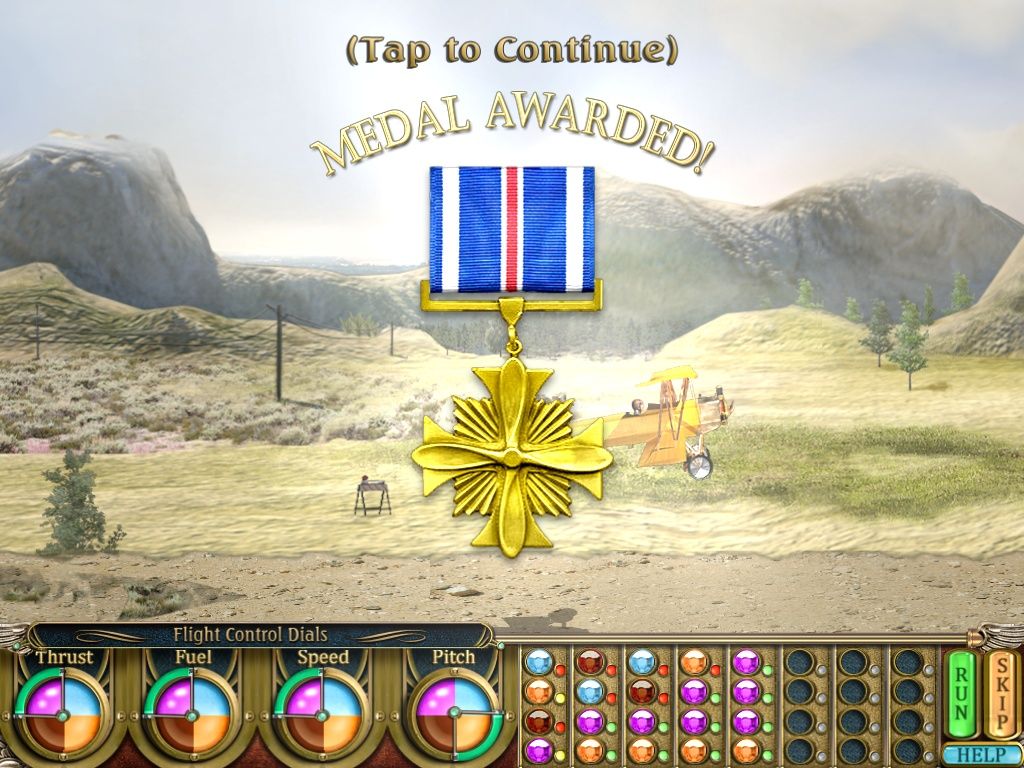
Mini-games break up the searching with a Mastermind-style dial puzzle for a biplane, hoop-flying, and clue searches using a pulsating localization device. These diversions give your eyes and hands something different to do, even if they remain simple side challenges rather than the main event. The core loop is still about inspecting scenes, managing tools, and gradually clearing a stack of objectives.
Graphics
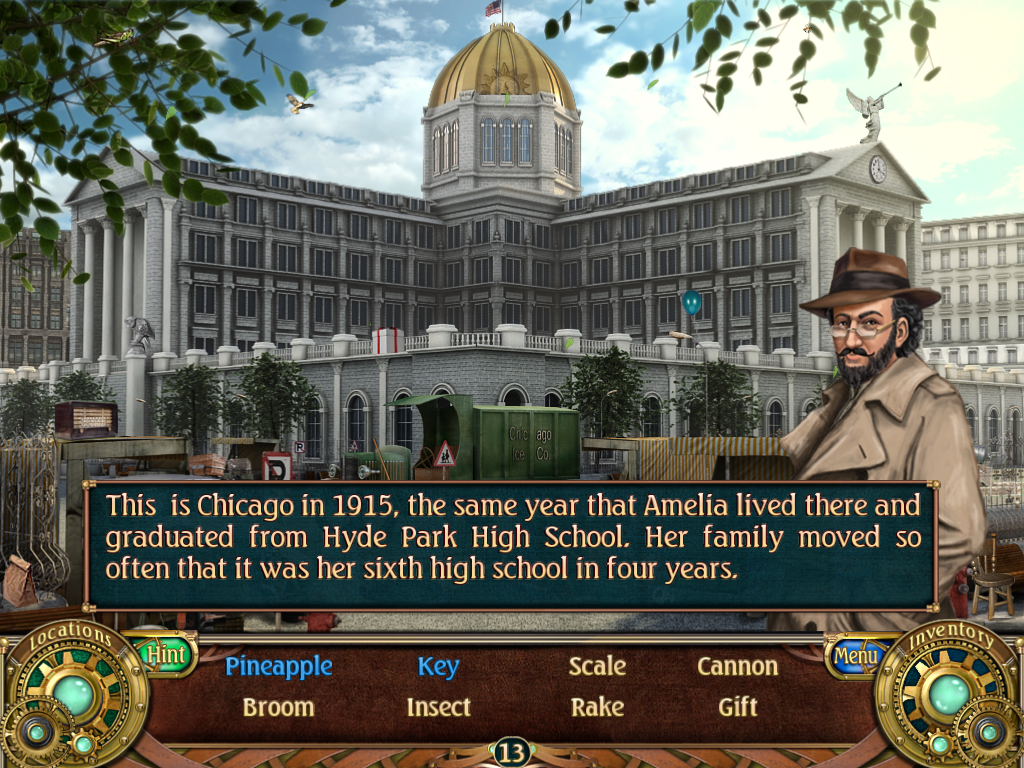
The game is built around location screens filled with searchable objects, with a character appearing at the start of each scene to deliver Amelia Earhart facts. Separate puzzle screens put the biplane dials, floating hoops, and localization device front and center, making those interruptions easy to distinguish from the usual object hunts.
Story
The premise has immediate pull: the newest member of the Unsolved Mystery Club is investigating the 1937 disappearance of Amelia Earhart during her round-the-world flight. It is a smart fit for a hidden-object game because the case naturally leads through places connected to Earhart’s biography while keeping the central question in view.
Don’t come expecting a densely authored adventure with constant dramatic turns. The story mostly arrives through scene introductions and the trivia attached to each stop, functioning as a thread that ties the searches together. Still, that thread matters. It gives the game a subject with real-world intrigue instead of asking you to care about a generic missing-person case.
If you already find Earhart’s disappearance fascinating, the educational snippets will likely be the main reason to stick with it. If the topic does nothing for you, the narrative probably will not overcome any dislike of repeated object lists or retracing locations. The mystery is a useful companion to the puzzles, not a replacement for them.
Overall Experience
Unsolved Mystery Club: Amelia Earhart is a modest, genre-faithful hidden-object mystery that earns points for using its historical subject well. The inventory interactions and mini-games prevent the search screens from becoming completely one-note, while the Amelia Earhart material gives each location a reason to exist beyond another checklist.
Its limits are equally clear: progress can stall on a hard-to-spot item or an unclear use for a tool, and revisiting locations will feel like busywork if you prefer hidden-object games that move cleanly from one scene to the next. Use hints sparingly, keep a mental note of suspicious interactive areas, and expect a measured pace.
Give it a chance if you want a low-pressure object hunt with light adventure puzzles and an interest in Earhart’s unsolved disappearance. Skip it if you want a story-heavy investigation or a fast-moving puzzle game. For its intended audience, the historical hook and variety of small challenges make the payoff worthwhile, even if the journey is more pleasant than essential.


Reviews
There are no reviews yet.