 Retro Replay Retro Gaming History, Reviews & Emulation

Retro Replay Review
Gameplay
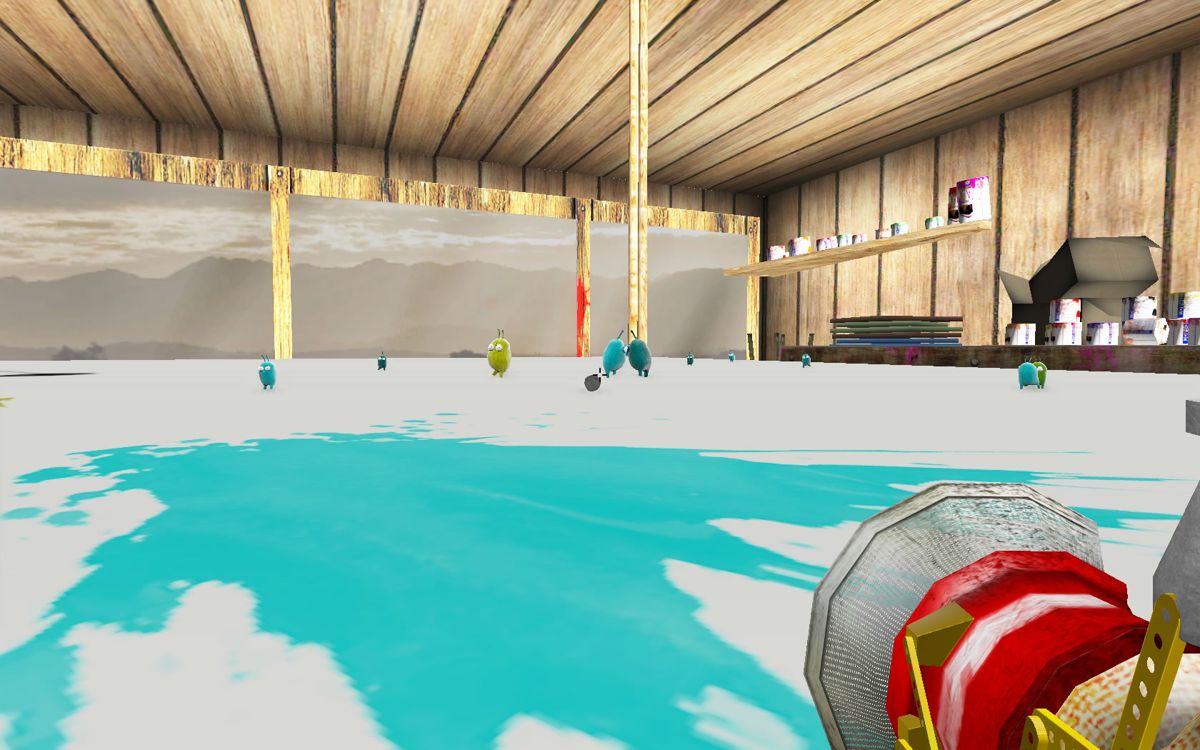
The first few minutes of White can feel almost too simple: creatures stand in front of you, weapons are in your hands, and shooting makes a mark. Then the useful question changes from “how do I clear this area?” to “what kind of mark do I want right there?” That shift is the whole game, and it gives this tiny shooter an unexpectedly playful pull.
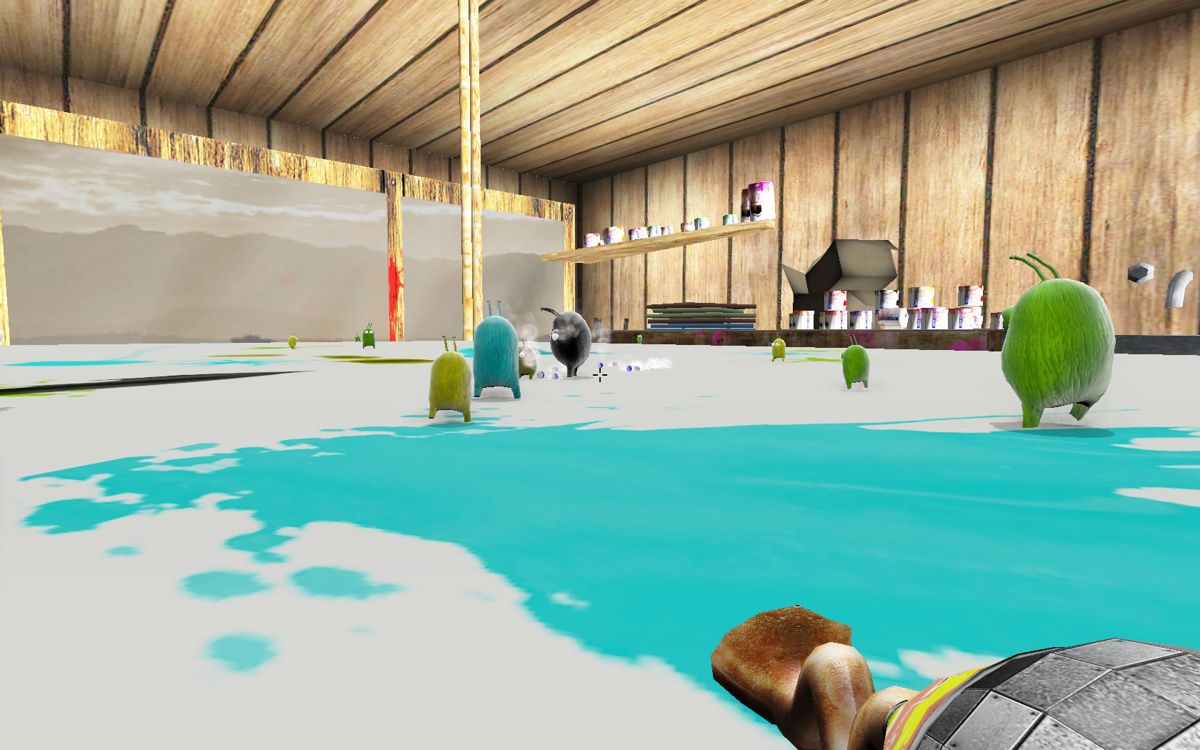
Different weapons leave different results, so you are not merely choosing damage. Minor bullet impacts can be used for tighter touches, while shotgun blasts make broader interventions. The boulder offers a more physical way to spread color by crushing a creature, and the magnet gun lets you drag and throw bodies toward a chosen patch of canvas. Once you start treating enemies as moving paint sources rather than threats, the tools begin to make sense.
There is no pressure to survive because the opponents do not fight back, and they continually return. That removes the usual first-person-shooter tension, which will either be liberating or leave you cold. You are free to slow down and arrange a composition, but the lack of danger also means the game depends entirely on your own curiosity. If you need objectives, escalating resistance, or a conventional score-chasing loop, this will run out of road quickly.
The strongest practical advice is to experiment before trying to make something deliberate. Fire each weapon, see how its marks differ, then use the magnet gun when you want more control over where color lands. White is not interested in testing reflexes; it is a digital splatter-paint toy wearing the controls of an FPS.
Graphics
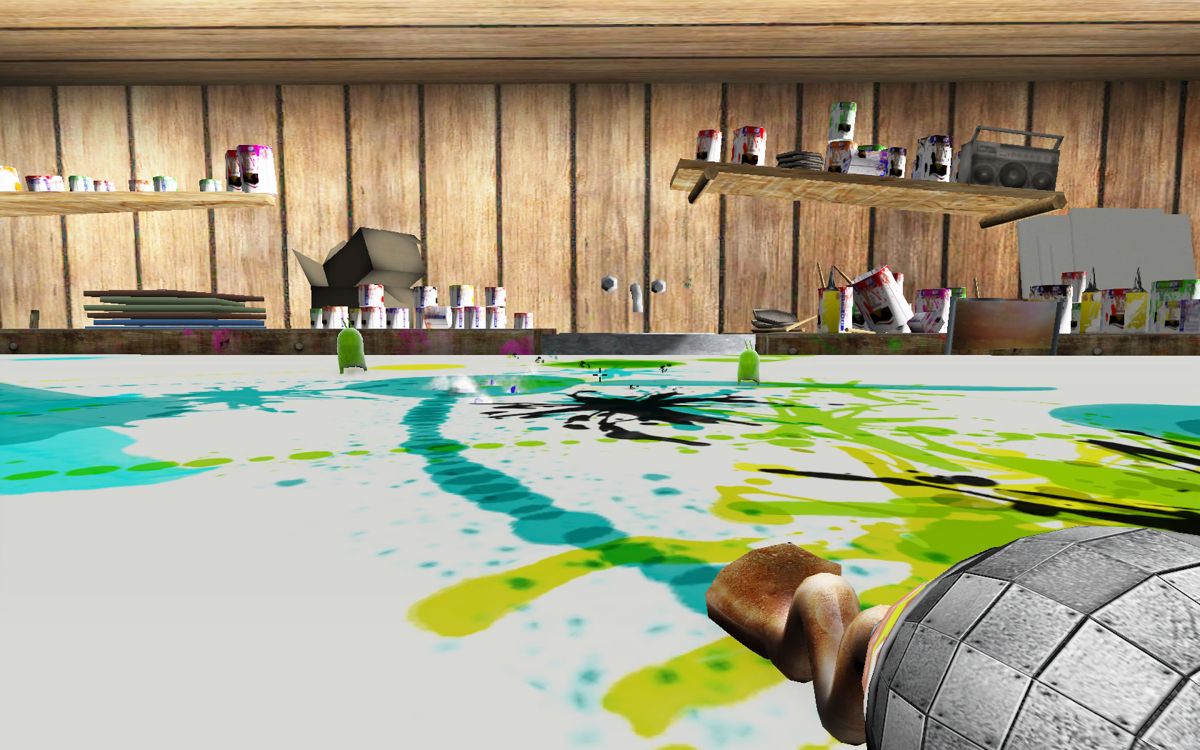
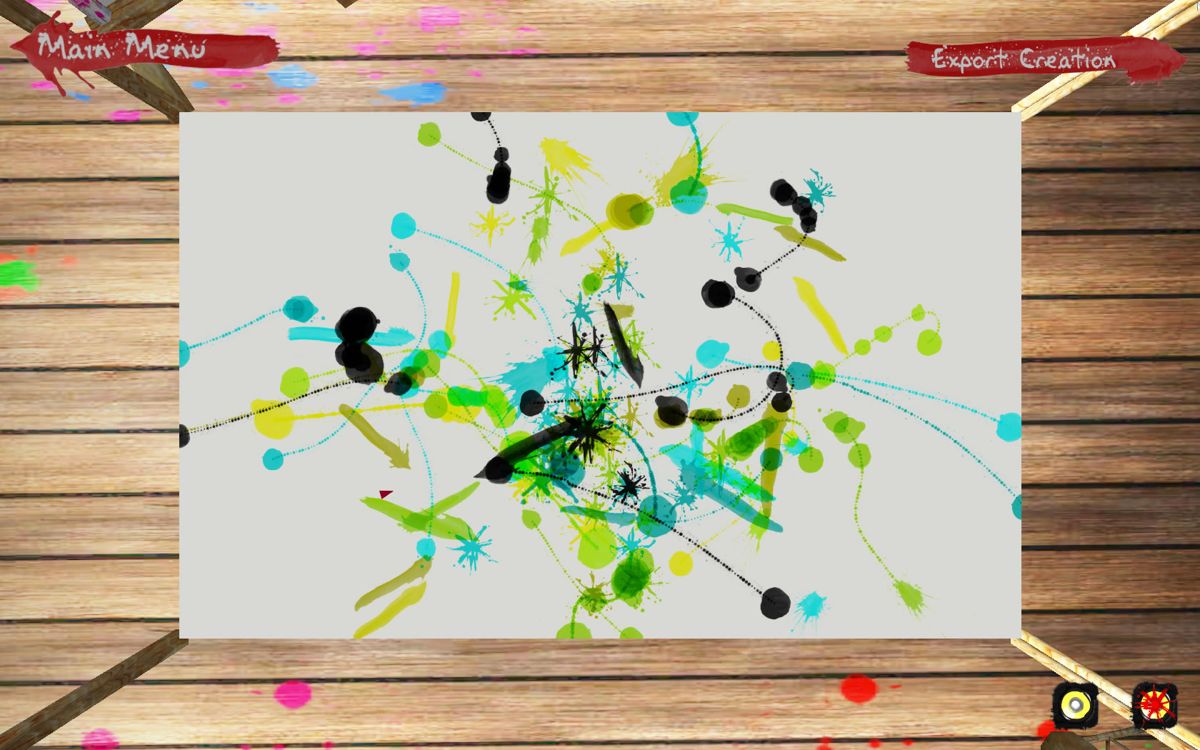
The environment begins as a large blank canvas, so the picture changes because of what you do. Colored creatures and their paint marks become the dominant image, with small bullet impacts, broad shotgun splashes, and the aftermath of a crushing boulder creating visibly different kinds of mess. When you quit, the top-down view turns the accumulated chaos into a finished painting you can export as an image.
Story
White does not build its experience around plot, characters, or a campaign. Its “story” is the image you make over the course of a session: a blank space, a succession of colored impacts, and the moment you decide it is done.
That absence of narrative fits the format. A traditional mission structure or dramatic conflict would compete with the central pleasure of stopping, repositioning a creature, and reconsidering an empty part of the canvas. Here, your decisions are expressive rather than heroic.
The result is more like an improvisation than an adventure. You may create a tidy arrangement, an aggressive field of overlapping color, or a complete accident that looks better than anything you intended. If you want a story with momentum and payoff, look elsewhere; if you enjoy supplying your own meaning through play, the blankness is part of the point.
Overall Experience
White is an unusual little experiment with a clear idea: turn first-person shooting into a way to paint. Its best moments arrive when you quit thinking about enemies as targets and start using weapon choice, placement, and physics to shape the image in front of you.
It is also narrow by design. The endlessly respawning, non-hostile creatures mean there is little friction beyond getting the colors and marks where you want them. That can make the experience pleasantly meditative, but it also means your enjoyment rests on whether creating a picture from controlled chaos sounds satisfying.
Give it a chance if you enjoy oddball interactive art tools and want a short, hands-on excuse to make a mess. Skip it if you are coming for a demanding shooter. For the right mood, the payoff is the final overhead look at something only you could have made—then the ability to take that image outside the game.


Reviews
There are no reviews yet.