 Retro Replay Retro Gaming History, Reviews & Emulation
Retro Replay Review
Gameplay
The first stretch of Arcadecraft understands the appeal of a small business sim. You begin with a debt to clear, a limited floor to work with, and a direct reason to care about each cabinet you buy. Place a machine, collect its money by hand, and decide whether that cash should go toward another purchase or protecting the arcade you already have. It is simple, but that simplicity makes early progress feel tangible.
The stronger idea is that raw income is not the only concern. Your arcade’s popularity depends on several positives and negatives, including how current its machines are, its decor, and its layout. New releases earn more than aging cabinets, so there is a constant push to refresh the floor without spending yourself into trouble. Individual price and difficulty settings add welcome room for tinkering: you are not merely accumulating machines, but deciding how each one should earn its place.
The manual coin collection sounds mundane, and it can become a chore once the arcade expands, but it also gives the early game a pleasing hands-on rhythm. Hiring employees eventually takes some of that burden away. Repairs keep older machines from becoming effortless passive income, while special events ask you to make sharper calls, such as paying for expensive Japanese cabinets or giving up a machine to a skilled player chasing a high score for a popularity boost.
Graphics
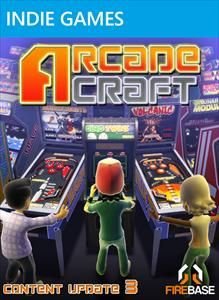
Arcadecraft centers its imagery on the changing arcade floor: rows of machines, their placement, and the decor that contributes to your venue’s standing. The cabinets themselves are the visual heart of the game, fitting the fantasy of slowly turning a modest room into a busier arcade.
Story
There is no elaborate narrative competing with the management side. Instead, the game gives your campaign a clean business arc: take over an arcade, survive the pressure of a loan, and then turn the operation into a personal money-maker.
The 1980 to 1986 time frame matters because the business changes with it. New machines arrive regularly, and staying current is tied directly to popularity and revenue. That creates a sense of moving through an era without forcing a conventional plot onto a game that does not need one.
The event decisions provide the closest thing to little stories. A vendor offering costly Japanese machines or a professional gamer monopolizing a cabinet can disrupt your usual routine, and the potential popularity reward gives those moments some bite. They are business anecdotes rather than character drama, which suits the premise.
Overall Experience
Arcadecraft succeeds because it keeps bringing you back to a recognizable question: what does this arcade need next? A newer machine might improve earnings, but layout, decor, repairs, and popularity can all demand attention at the same time. The result is a compact balancing act that feels appropriately tied to the subject.
Frustration is most likely to set in when the routine work piles up, particularly before employees can help with collection. Yet that friction is part of the game’s argument that a growing arcade should not run itself. If you enjoy checking the numbers, responding to change, and making small adjustments that add up, it is more engaging than exhausting.
This is for you if you want a business sim with a specific, nostalgic focus rather than a huge sandbox. The payoff is not a grand finale; it is the gradual satisfaction of paying off the loan, keeping the arcade popular, and seeing your choices turn a room full of machines into a profitable operation.


Reviews
There are no reviews yet.