 Retro Replay Retro Gaming History, Reviews & Emulation


Retro Replay Review
Gameplay
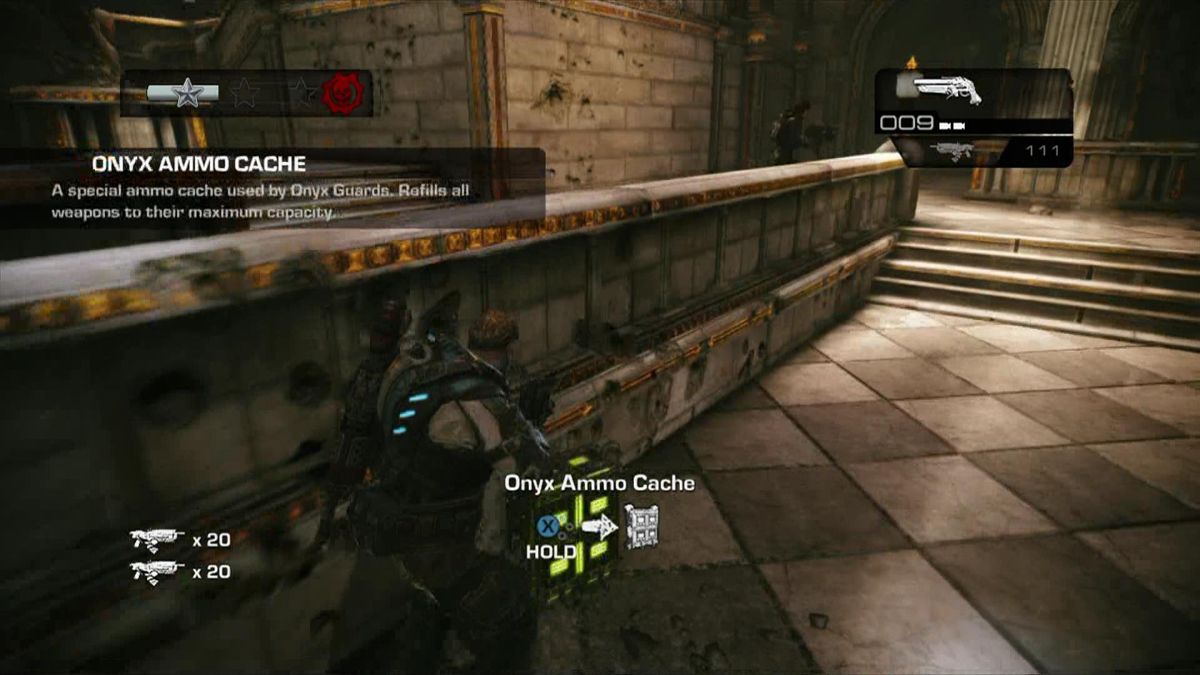
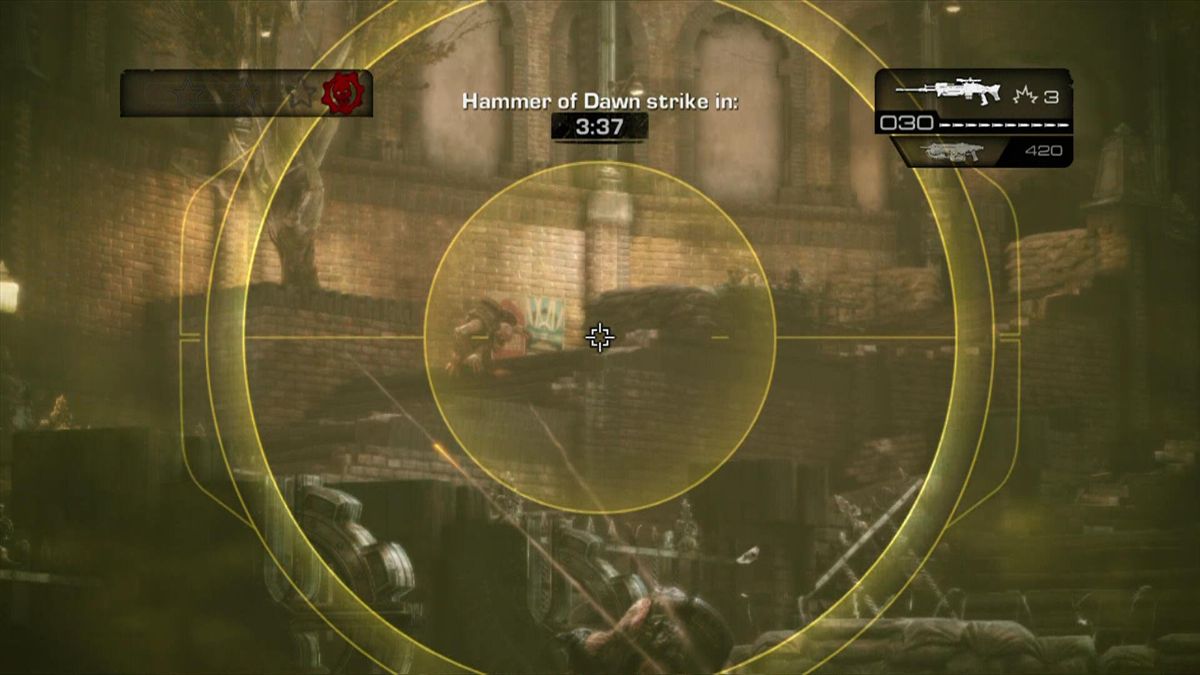
The first hour feels immediately familiar in the best and most limiting sense: you are snapping into cover, trading fire with Locust, and pushing through compact third-person firefights built around Gears of War’s sturdy fundamentals. If that rhythm still works for you, Judgment does not need long to get its hooks in. The shooting and cover formula remains satisfying because every advance asks you to judge when to stay safe and when to break from the wall.
Its smartest addition is the performance grading attached to campaign segments. Earning up to three stars turns a routine clear into a challenge to play cleaner, score better, and return for another attempt. That extra pressure gives the campaign more bite than a simple one-and-done march, and the multiplayer unlocks tied to stars make strong performance feel useful rather than purely decorative.
The trade-off is that Judgment is less generous with competitive options than earlier Gears games. Versus is limited to Free-For-All, Team Deathmatch, and OverRun, and Beast is gone entirely. OverRun remains the standout because two teams compete around defense, while Survival reshapes Horde-style co-op into five-player objective defense against escalating Locust waves. If you want the broadest multiplayer buffet in the series, this is not it; if you want focused co-op defense with a clear job to do, Survival is a solid reason to gather a squad.
Graphics
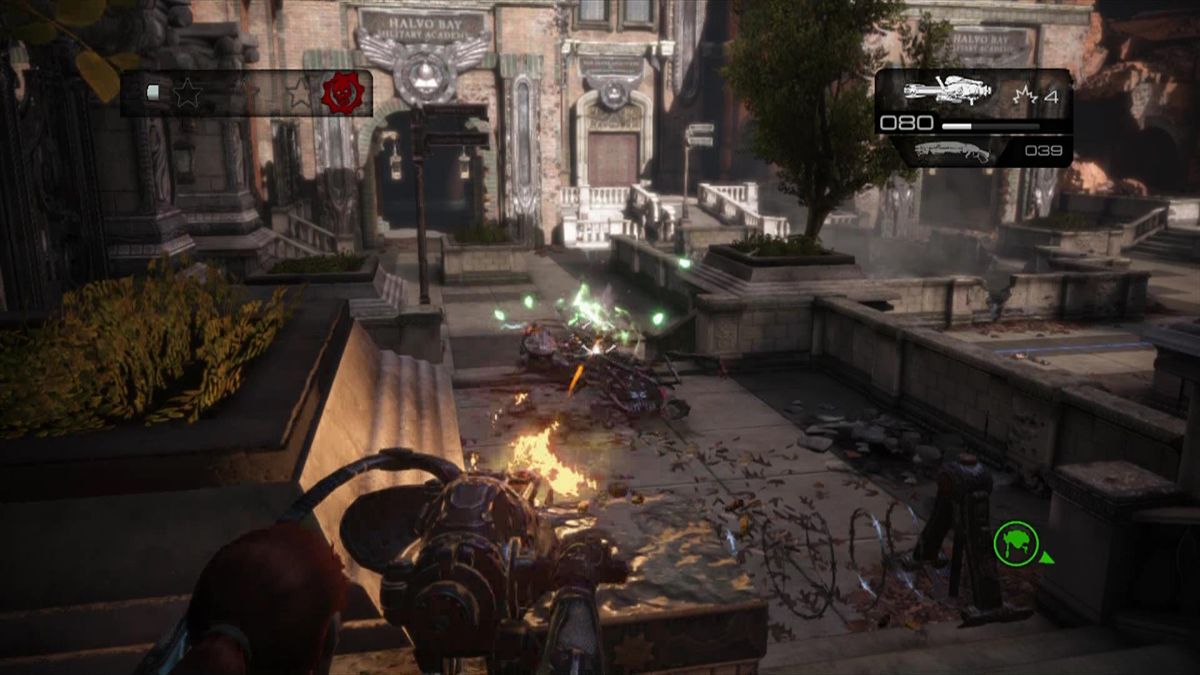
Judgment keeps the series’ behind-the-back combat view, so you spend fights looking over armored COG soldiers as they slide between cover and fire on advancing Locust. That camera remains a natural fit for its stop-and-pop gunfights, keeping nearby threats and your next piece of protection in view.
Story
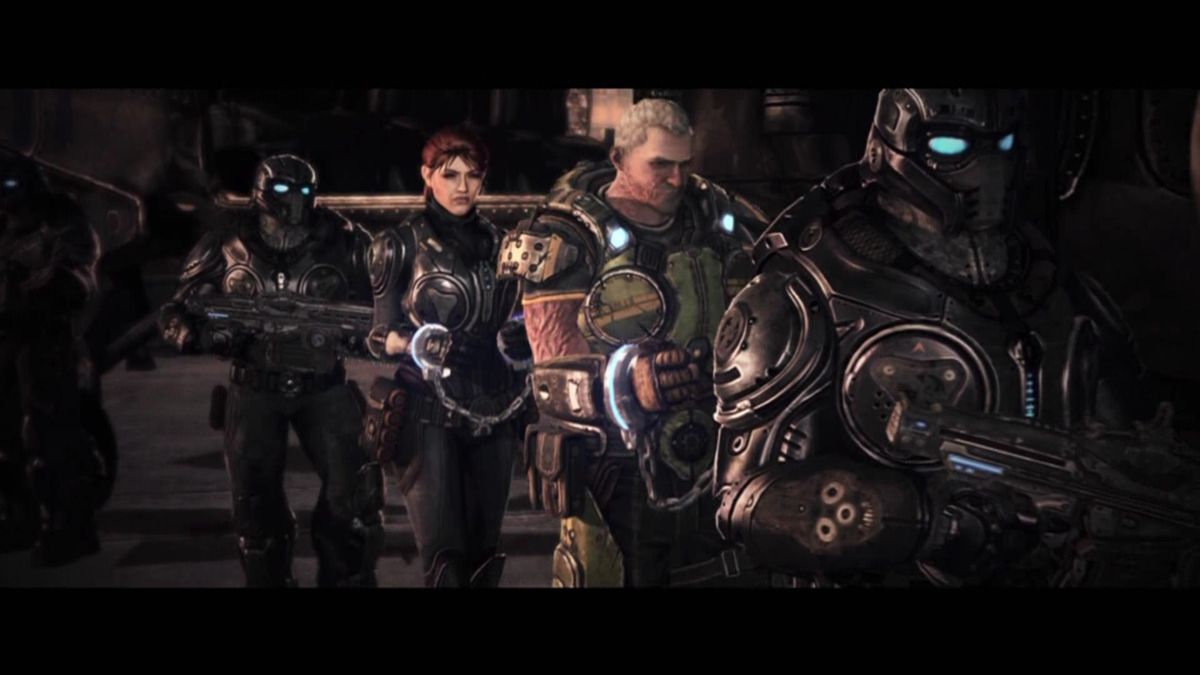
This is a prequel set less than a year after E-Day and roughly 15 years before the first Gears of War, with Lt. Damon Baird at the center. Instead of simply sending Kilo Squad into battle, the game frames its campaign around a trial: Baird and his squad are answering for disobeying orders and taking COG technology without authorization.
The flashback structure gives the action a useful sense of consequence. You already know Kilo Squad is in trouble, so each recollection is not only about surviving the Locust but also about understanding why the squad made choices serious enough to defend in court. Baird is a worthwhile lead for anyone curious about a major Delta Squad member before the original trilogy made him familiar.
There is also an unlockable Aftermath campaign set during Gears of War 3, following Baird and Cole as they seek help for the attack on Azura. It is a welcome extra for fans invested in the larger timeline, though the main attraction remains the earlier Kilo Squad story and its more immediate, disciplinary framing. For background and release history, see Gears of War: Judgment’s history.
Overall Experience
Judgment works because it understands exactly what you came to Gears for: hard-edged cover shooting, pressure from encroaching Locust, and co-op modes that turn defense into a noisy group effort. It does not radically reinvent that formula, but the star system adds a replay-minded layer that makes individual campaign segments more memorable than they might otherwise be.
Frustration sets in mostly if you expected the series’ previous range of multiplayer modes. With only three versus choices and no Beast mode, the package can feel pared back. Survival and OverRun soften that disappointment, but they do not erase it. Go in wanting concentrated Gears rather than the fullest possible Gears suite.
At a 7.4, Judgment lands as a good spin-off with a clear audience: fans who enjoy chasing better combat results, want more Baird, or have friends ready for objective defense. The payoff is worth it when you lean into repeat runs and co-op. If you want another related release, the Gears of War: Judgment Limited Edition is also worth a look.


Reviews
There are no reviews yet.