 Retro Replay Retro Gaming History, Reviews & Emulation
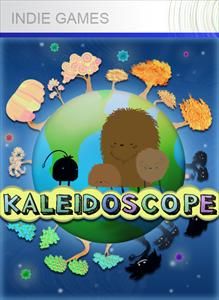
Retro Replay Review
Gameplay
The first few minutes make Kaleidoscope’s main trick easy to understand. You move Tint through a side-scrolling level, gather color spheres, bounce on drained enemies, and search for one of three larger pigments that finishes the stage. It is a clean loop, but the freedom to collect pigments across levels gives it a little more purpose than simply marching from one exit to the next.
The three color gauges are where the platforming starts to gain some bite. A gauge can be spent to run faster, double-jump, or block projectiles, then regenerates over time. That means a shooting flower or a tricky gap is not just an obstacle to react to; you have a few possible ways through it. The better moments come from judging whether to burn color on speed, save it for a second jump, or shield yourself and keep moving.
Hazards are familiar—spikes, grumpy animals, moving platforms, air currents, and projectile-spitting flowers—but they suit a game built around light exploration. The potential frustration is in needing pigments to access later levels: if you rush through looking only for the nearest completion pigment, you may need to circle back and search more thoroughly. Fortunately, the structure makes that revisiting part of the point rather than a complete detour.
Graphics
Each level begins in monochrome, then gains color in visible steps as you collect enough red, yellow, and blue spheres. That change gives the scenery and objects a pleasing sense of recovery, while Tint’s color-restoring stomps turn formerly gray enemies harmless. The side view keeps platforms, spikes, enemies, and moving routes easy to parse.
Story
The premise is direct: Kaleidoscope has been drained of color by a disease, and Tint sets out to restore it. It is an uncomplicated rescue mission, yet it fits the platforming unusually well because your ordinary actions visibly push the world toward recovery.
The color and painting theme runs through the planet’s inhabitants, places, and history, giving the setting a consistent playful language. More importantly, it is not just decorative wording around a standard quest. The same idea shapes the collectibles, Tint’s abilities, the enemies, and the gradual transformation of each level.
Do not come here expecting a heavily plotted adventure. The story works as a motivating frame and a steady payoff for exploration: every sphere gathered and enemy restored contributes to the same larger goal. The result is small-scale, but nicely coherent.
Overall Experience
Kaleidoscope is a focused platformer with a strong central theme and enough flexibility in its movement tools to avoid feeling like a one-note collectible hunt. The changing level art and added music tracks as color returns make progress feel tangible, which is a smart reward for combing through stages.
Its world map and pigment-gated progression favor methodical play. If you enjoy searching a stage beyond the quickest route, planning around a limited-but-regenerating resource, and returning to earlier levels when you need more collectibles, the game’s structure should land well. If backtracking for unlock requirements tends to sour you on platformers, it may test your patience.
The payoff is worth it for a gamer after a concise 2D platformer with a charming restoration hook rather than an enormous campaign. Kaleidoscope does not need a sprawling setup to make its goal satisfying: turning a colorless world bright again is a simple pleasure, and the game builds its whole journey around that feeling.


Reviews
There are no reviews yet.