 Retro Replay Retro Gaming History, Reviews & Emulation
Retro Replay Review
Gameplay
The first minutes of Pulse: Fight the Night put you in a nasty, compelling loop. You are not merely clearing a horde; you are trying to keep your own tiny patch of light alive. Shoot enemies, expand the light around your ship, and gain enough visibility to deal with whatever is waiting at its edge. It is a strong twist because the darkness changes what information you have, not just the mood of the arena.
That pressure should become especially sharp once the enemy mix starts crowding the screen. Aimless enemies can clog your route, enemy ships can shoot back, and bombs threaten to burst into still more foes. The important judgment is not simply whether an enemy is dangerous, but whether killing it now gives you the light and space needed to survive the next few seconds. A single target can be both a threat and the key to getting your bearings back.
The six arenas give that central idea room to breathe. Open areas should let you maneuver and make better use of twin-stick aiming, while claustrophobic corridors turn movement into a commitment. In those tighter maps, one wrong move can end in death, so Pulse will suit you far more if you enjoy learning spaces through repeat runs than if you want a forgiving shooter.
Reversible controls for left-handed play are a welcome practical touch, and the inclusion of bombs gives you another tool when the screen becomes too crowded. High scores also fit the game’s stripped-down arcade intent. This is a game for chasing cleaner runs, surviving longer, and gradually getting more comfortable making decisions with only a shrinking circle of safety around you.
Graphics
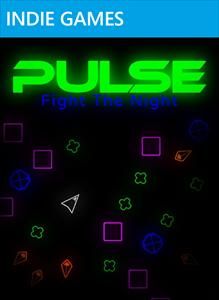
Pulse uses bright, colorful graphics against arenas swallowed by darkness, so the light surrounding your ship becomes the picture you watch most closely. That contrast should make enemies emerging from the dark easy to fear and the expanding glow after successful shots satisfying to see. The top-down view is a natural fit for tracking your ship, nearby foes, and the dangerous walls of the corridor arenas.
Story
Pulse keeps its storytelling in the immediate predicament: a ship is stranded in darkness, surrounded by hostile forces, and fighting to preserve enough light to continue. That is a thin setup, but it is the right kind of thin for an arcade shooter built around immediate danger.
The darkness does more than frame the action. It gives each encounter a small sense of desperation, because survival and sight are tied together. You are not waiting for a lengthy plot beat to create urgency; the arena itself supplies it every time the light contracts.
Do not come to Pulse for character drama or a sprawling campaign narrative. Come for a clean, easily understood conflict that turns every successful kill into a momentary reprieve. Its story works as fuel for the action rather than a separate reason to play.
Overall Experience
Pulse: Fight the Night earns attention because its central idea has consequences. The darkness is not decoration: it makes positioning, target priority, and movement through each arena more stressful. When the system clicks, you should feel like you are actively earning the ability to keep fighting rather than simply mowing down targets.
That same focus can create frustration. Tight corridors and enemy bombs sound designed to punish hesitation or a careless route, and the game’s intensity leaves little room to coast. Yet that is also why the high-score structure makes sense: failure should teach you something concrete about where to move, when to spend a bomb, or which enemy cannot be left alive.
Give it a chance if you like twin-stick shooters that ask for composure under pressure and reward repeat attempts. Pulse does not need a complicated premise to stand out; the shrinking light creates a memorable survival rhythm, while colorful visuals and a rock soundtrack promise a lively arcade edge to all that panic.


Reviews
There are no reviews yet.