 Retro Replay Retro Gaming History, Reviews & Emulation
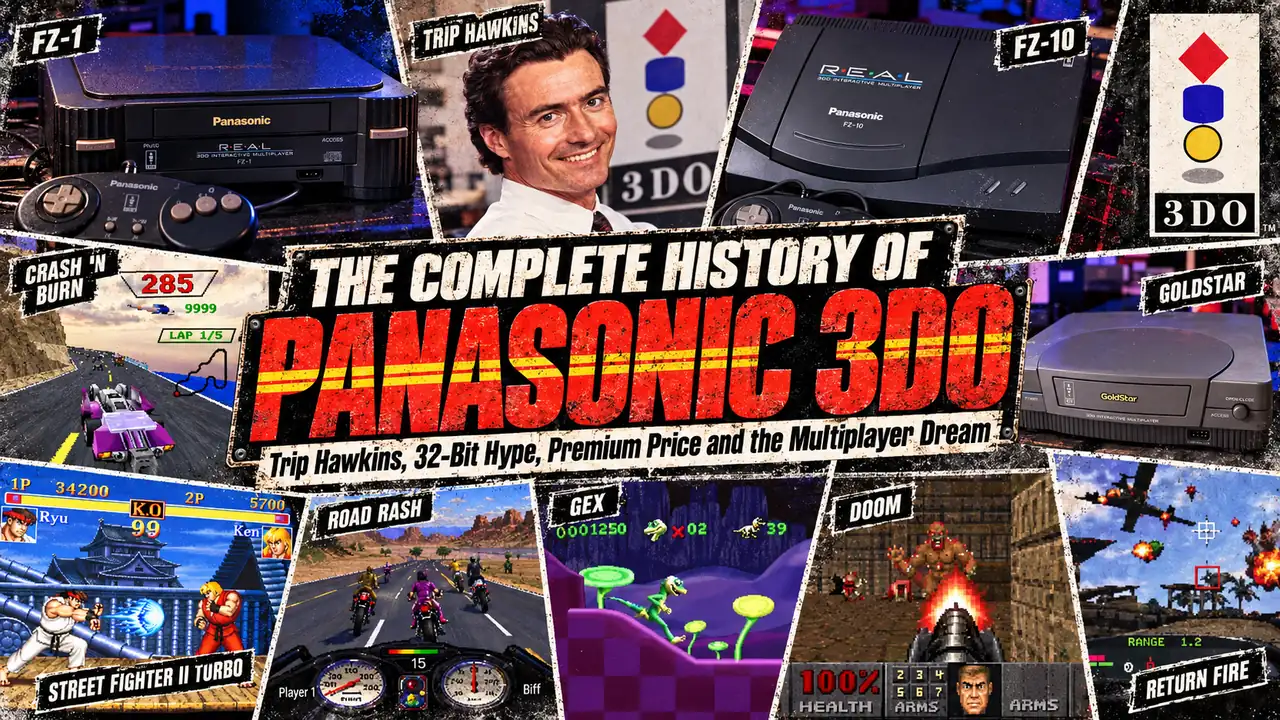
The shop has a Panasonic machine that looks like it belongs beside a serious stereo, not under a child’s television. Road Rash has filmed actors and real rock music. The Need for Speed lets you inspect exotic cars before you race them. The screen suggests the next generation has arrived early. Then the clerk tells you the price: about $699 on the street.
That number became the 3DO’s entire reputation. It also hides why the machine cost so much and why its creators believed anyone would pay it. Trip Hawkins, already famous for founding Electronic Arts, wanted a video-game standard that multiple electronics companies could manufacture. Panasonic’s FZ-1 was the first and best-known player, not the whole idea. Developers made some remarkable games for it. Buyers never arrived in numbers large enough to keep the idea alive.
The story runs from a restaurant-napkin hardware concept to the original Need for Speed, a notorious Doom port, Sony’s disruptive price, and Panasonic’s $100 million second chance. It is a tale of good games inside a business structure the market would not forgive.
Trip Hawkins Wanted to Rewrite the Rules
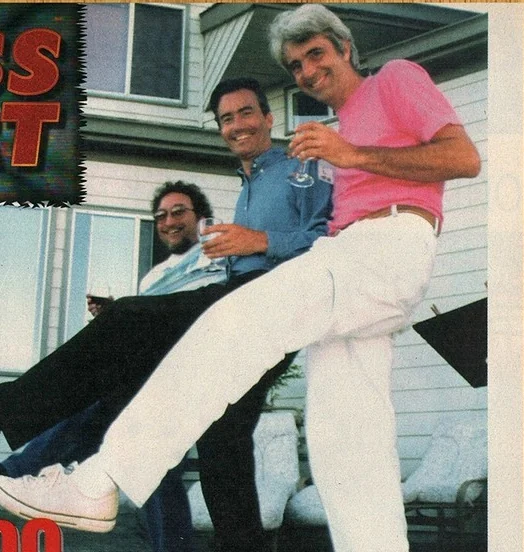
The 3DO story begins with Trip Hawkins, and Hawkins was not some outsider making a speculative bet on an industry he barely understood. After working at Apple during its formative years, he founded Electronic Arts in 1982 and helped create a publishing culture built around treating game designers more like creative talent than anonymous factory workers. EA’s early packaging looked like record albums, developers were credited prominently, and the company promoted the idea that software could be authored by personalities just as books, films and music were. That philosophy helped make Hawkins one of the most influential figures in early American game publishing. The Digital Antiquarian’s history of Hawkins and Electronic Arts is particularly useful for understanding how a man who once viewed dedicated consoles skeptically eventually became obsessed with redesigning the console business itself.
What bothered Hawkins was control. Nintendo and Sega did not merely sell machines; they controlled the economic gates surrounding those machines. Publishers worked with proprietary hardware, proprietary manufacturing arrangements and licensing systems controlled by the platform owner. Electronic Arts had already learned how aggressively those relationships could be negotiated. EA’s famous dealings with Sega around Genesis development demonstrated that a powerful publisher could challenge a console company, but Hawkins wanted something more fundamental than a better deal. He wanted a market in which a software company did not have to live entirely inside Nintendo’s or Sega’s kingdom.
The answer was to stop thinking like Nintendo and start thinking like the consumer-electronics industry. What if a video game platform worked more like VHS? JVC could make a VHS recorder. Panasonic could make one. RCA could make one. Different manufacturers competed while the tape remained compatible. Hawkins imagined an interactive entertainment standard that worked the same way. The 3DO Company would define the architecture and license it. Panasonic could manufacture one player, GoldStar another, Sanyo another, perhaps AT&T another. Software written for the 3DO standard would work across them. If the concept took off, The 3DO Company would not need to own a factory or sell every box itself. It could sit in the middle of an industry standard.
That is why calling the system simply the “Panasonic 3DO” is convenient but slightly misleading. Panasonic made the best-known 3DO machines, but Panasonic did not own the idea in the way Sega owned Genesis. The ambition was deliberately broader. In a January 1993 Wired piece, the company was already being discussed as a strange new kind of platform business before the consumer hardware had proven anything. The idea was enormous, and that was precisely why it attracted enormous partners.
From the Amiga and Atari Lynx to 3DO
The engineering side of the project had its own remarkable pedigree. Dave Needle and R.J. Mical had already been involved with some of the most interesting hardware of the previous decade. Their backgrounds connected them with the Amiga and Atari Lynx, two systems remembered for trying to push consumer technology beyond the obvious limits of their eras. According to Wired’s 1994 profile of Needle and Mical, the roots of what became 3DO can be traced to a 1989 restaurant meeting with former Amiga executive David Morse, where the core concept was sketched on a napkin. Needle, Mical and Morse formed New Technologies Group, or NTG, and began turning the idea into something that could actually be manufactured.
The early development story is one of the reasons 3DO is more interesting than a simple corporate failure. It did not begin with Panasonic executives waking up one morning and deciding Nintendo looked profitable. The technical architects were experienced people trying to solve real problems. Hawkins was an experienced publisher trying to solve business problems. Their ideas happened to intersect at exactly the moment when the entire technology industry had become obsessed with the word multimedia. CD-ROM drives were becoming exciting. Sega had the Sega CD. Philips was pushing CD-i. Hollywood studios were exploring interactive films. Cable companies and telephone giants were talking about interactive television. The future appeared to involve games, music, video and computing collapsing into one connected form of entertainment, and 3DO looked like a credible way to plant a flag in that future.
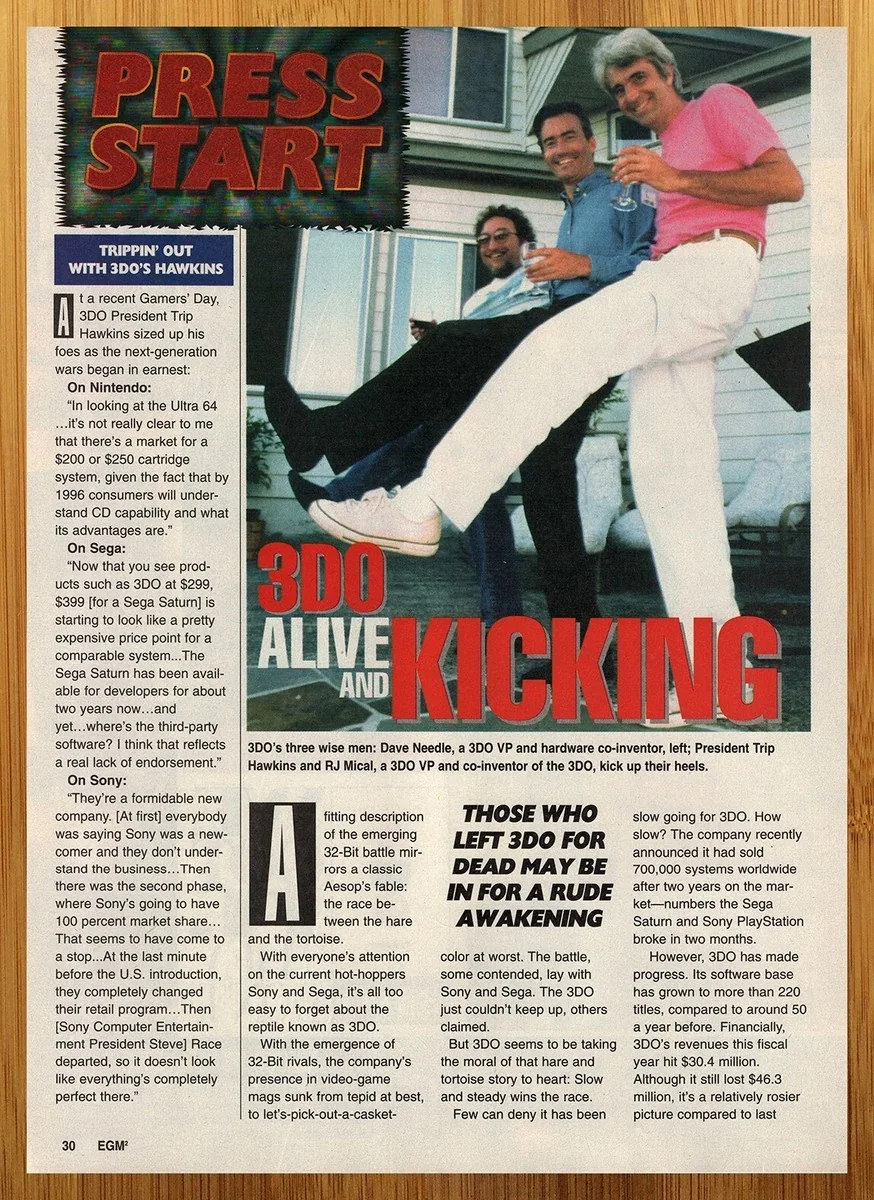
That period magazine piece is particularly valuable because it preserves the tone of the battle while it was still unfolding. Hawkins was not speaking with the benefit of hindsight; he was defending a platform whose future remained unsettled. One short line from the feature captures his continuing faith that the market would eventually understand what 3DO had been trying to sell:
“By 1996 consumers will understand CD capability and what its advantages are.”
— Trip Hawkins, period magazine interview reproduced in the supplied research scan
In one sense, Hawkins was absolutely right. Consumers did understand CD capability by 1996. Unfortunately for 3DO, many of them were experiencing those advantages on a PlayStation.
The VHS of Video Games
The licensing model was the most revolutionary part of the entire project. The 3DO Company wanted hardware manufacturers to compete while software remained compatible. It also wanted publishers to pay lower royalties than they were accustomed to paying in tightly controlled console ecosystems. Period FAQs and archived corporate material repeatedly emphasized the friendlier economics. From a publisher’s point of view, it was seductive: better margins, modern hardware and less dependence on one platform holder. Hawkins was effectively telling software companies that they could help build a standard instead of renting space inside someone else’s empire.
The problem was hidden inside the exact same idea. Traditional platform owners could afford to make very little on a console—or even accept losses—because a large installed base generated software licensing revenue for years. Panasonic did not have the same relationship to every disc sold. Panasonic was manufacturing an expensive electronics product. It therefore had a much stronger incentive to make money on the box itself. Wired identified this tension before launch, even quoting industry skeptics who wondered how electronics companies accustomed to hardware margins could compete with game companies willing to treat hardware as a doorway to licensing revenue. In hindsight, that concern reads almost like a diagnosis written before the patient became sick.
For the 3DO standard to work, it needed to become cheap, common and boringly ubiquitous. The whole vision depended on millions of homes owning compatible players. Yet the companies manufacturing those players had fewer reasons to wage the kind of brutal hardware-price war that Nintendo, Sega and later Sony could justify. The publisher-friendly structure and the hardware economics were pulling in opposite directions. That contradiction would never completely disappear.
The Giants Join the Experiment
The sheer list of companies willing to take 3DO seriously explains why the hype became so intense. Matsushita, the electronics giant behind Panasonic, was central. Electronic Arts had obvious ties through Hawkins. AT&T, Time Warner, MCA and major venture capital interests were associated with the project. GoldStar and Sanyo became hardware licensees. For a technology industry obsessed with convergence, this looked less like a niche gaming gamble and more like a potential standard connecting entertainment companies, telecom companies, software publishers and electronics manufacturers.
Contemporary publications repeatedly framed the coming multimedia era as something bigger than traditional games. That is worth remembering because the 3DO’s marketing sounds inflated only when viewed from a world where the next thirty years are already known. In 1992 and 1993, executives genuinely did not know whether the future living-room platform would come from Nintendo, Sega, Philips, Apple, a telecom company, a cable provider or some new hybrid nobody had yet defined. The 3DO Company was betting that a neutral standard could become that hybrid.
Hardware That Really Did Look Like the Future
The machine itself gave the hype credibility. The 3DO architecture used a 32-bit ARM60 RISC processor, dedicated custom chips for graphics and system operations, 2 MB of main RAM and 1 MB of video RAM. A useful technical overview is preserved at Retro Console Museum, while 3DO Dev maintains documentation and development resources for anyone wanting to go much deeper into the platform. The system was designed around CD-ROM from the beginning, which meant developers had hundreds of megabytes available for music, spoken dialogue, rendered cinematics, photography and artwork at a time when cartridge developers still counted storage very carefully.
That extra space encouraged an entirely different kind of presentation. Games could use recorded audio instead of relying entirely on chip-generated music. Actors could be filmed. Menus could use voice. Developers could fill discs with assets that would have been economically ridiculous on cartridges. The hardware also supported effects and textured graphics that made it look dramatically more modern than the dominant 16-bit consoles. Some of the claims made around 3DO were inflated, as technology marketing often is, but the central impression was legitimate: put the right 3DO game next to an ordinary Genesis title in 1993 and the difference could be startling.
The controller system was equally strange. The console itself did not need four front-mounted controller ports because pads could be daisy-chained. One controller connected to the console and the next connected to that controller. Many pads included headphone output and volume control, another reminder that 3DO was being designed with the mentality of premium home electronics. It was quirky, perhaps overengineered, but very much its own thing.
October 1993: The $699 Future Goes on Sale
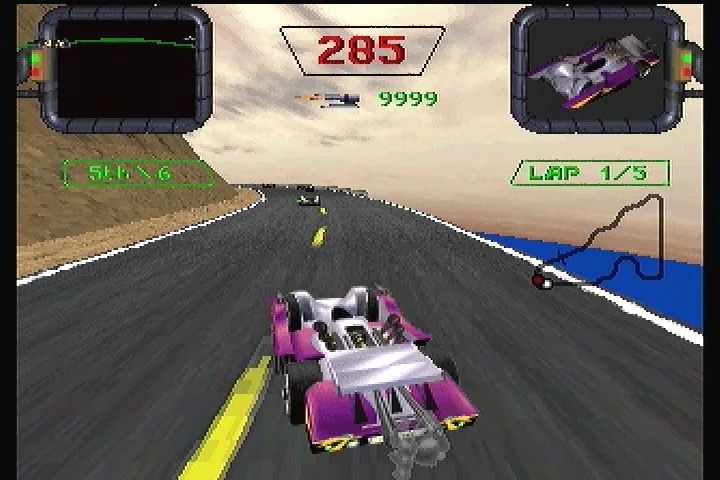
Panasonic brought the FZ-1 to North America in October 1993. The machine’s price immediately overwhelmed almost every other part of the story. Crystal Dynamics’ Crash ’n Burn helped give the launch a futuristic showcase, with polygonal roads, vehicles and a presentation that looked more advanced than most console racing games on store shelves. But a new format requires more than impressive demonstrations. It requires a reason for an ordinary customer to spend money today, and the 3DO was asking that customer to spend a great deal of it.
The launch therefore ran into the classic platform trap. Consumers hesitated because the machine was expensive and the library was small. Publishers hesitated because the audience was small. The audience remained small because the software library grew more slowly than anyone wanted. Panasonic could cut the price, but every price cut rubbed against the hardware economics that had helped produce the problem in the first place. The system desperately needed scale and had launched in a way almost guaranteed to make scale difficult.
That does not mean the machine was laughed out of every room. Quite the opposite. Plenty of reviewers and technology writers saw real potential. The 3DO belonged to the moment when CD-based games could still make people stop and stare simply because voices, video and recorded music were coming from a console. For a parallel look at what optical media was doing elsewhere, Retro Replay’s History of Lunar: The Silver Star & Eternal Blue explores how Sega CD developers were using the same storage revolution for animation, music and voice acting. 3DO was part of that same transformation, only wrapped in a much more ambitious hardware-and-business proposition.
Panasonic Was Never Supposed to Be the Only 3DO
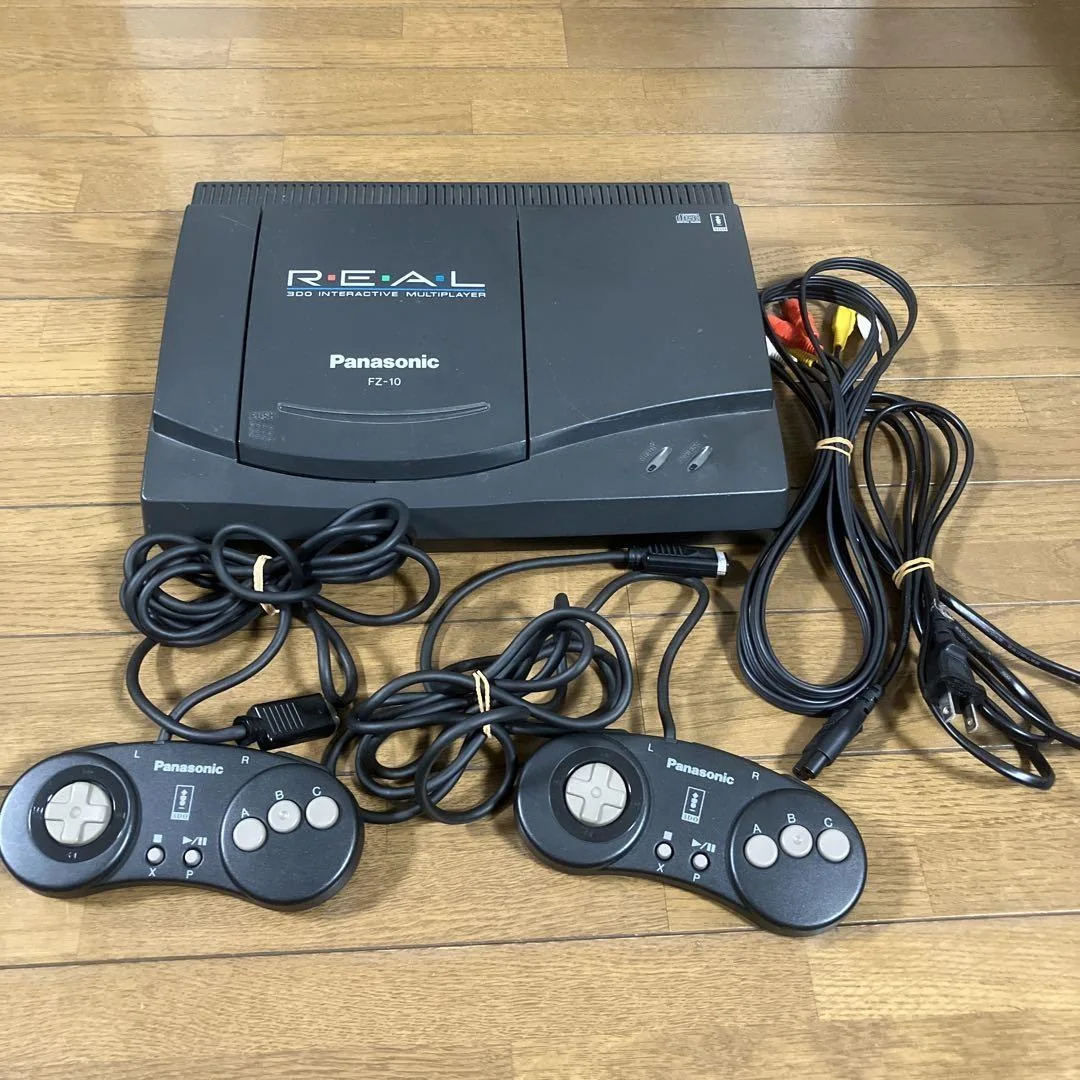
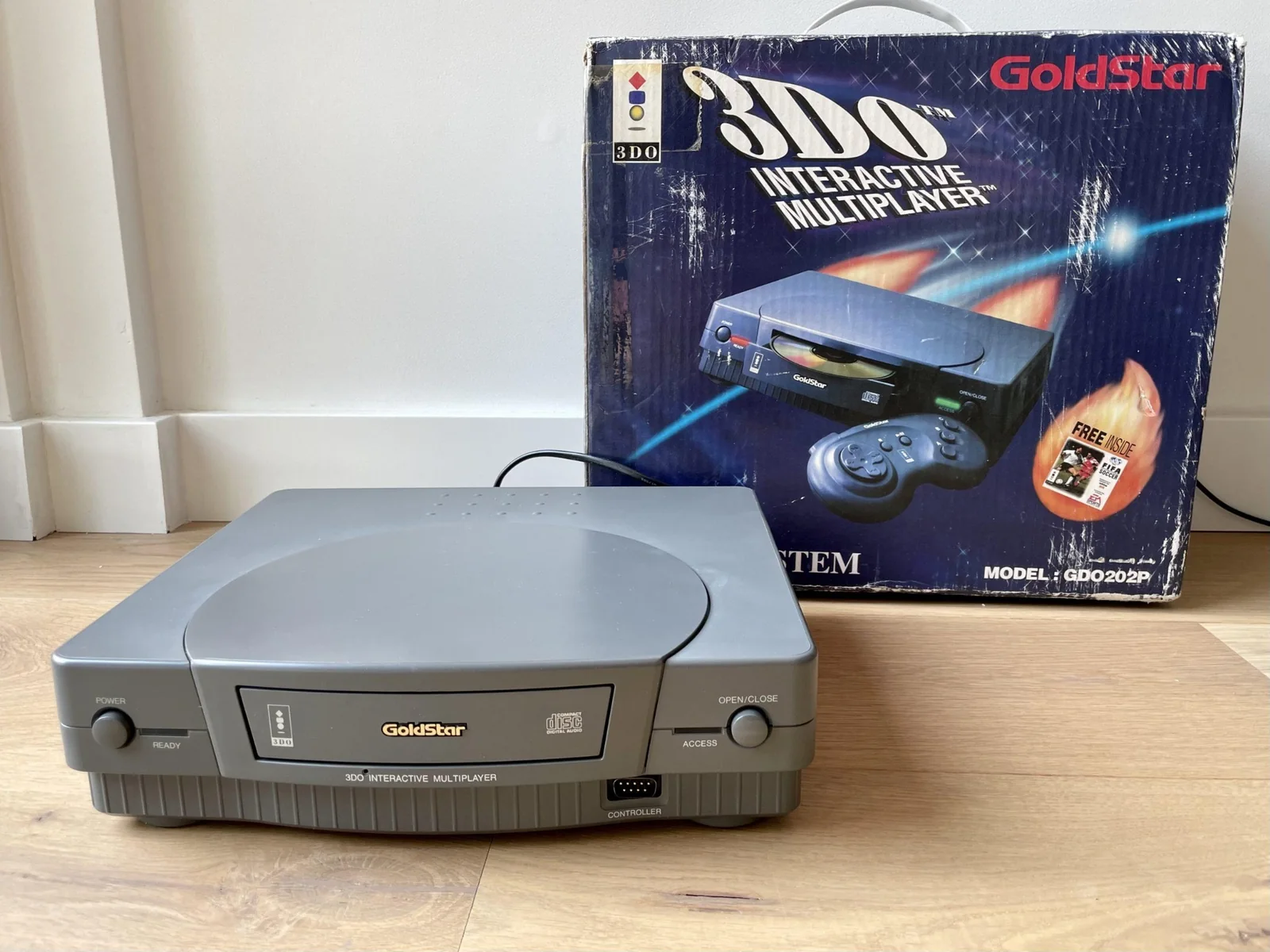
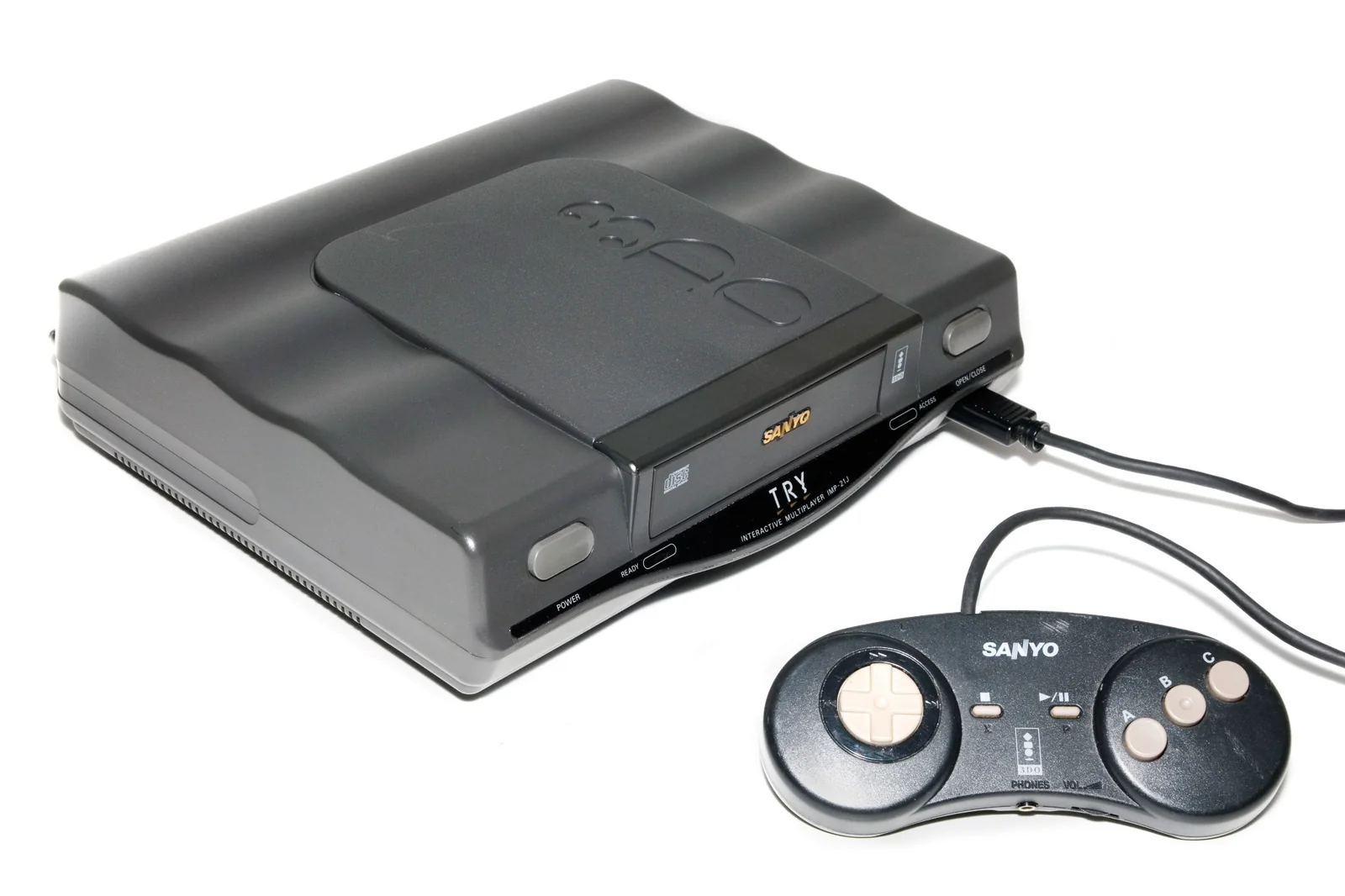
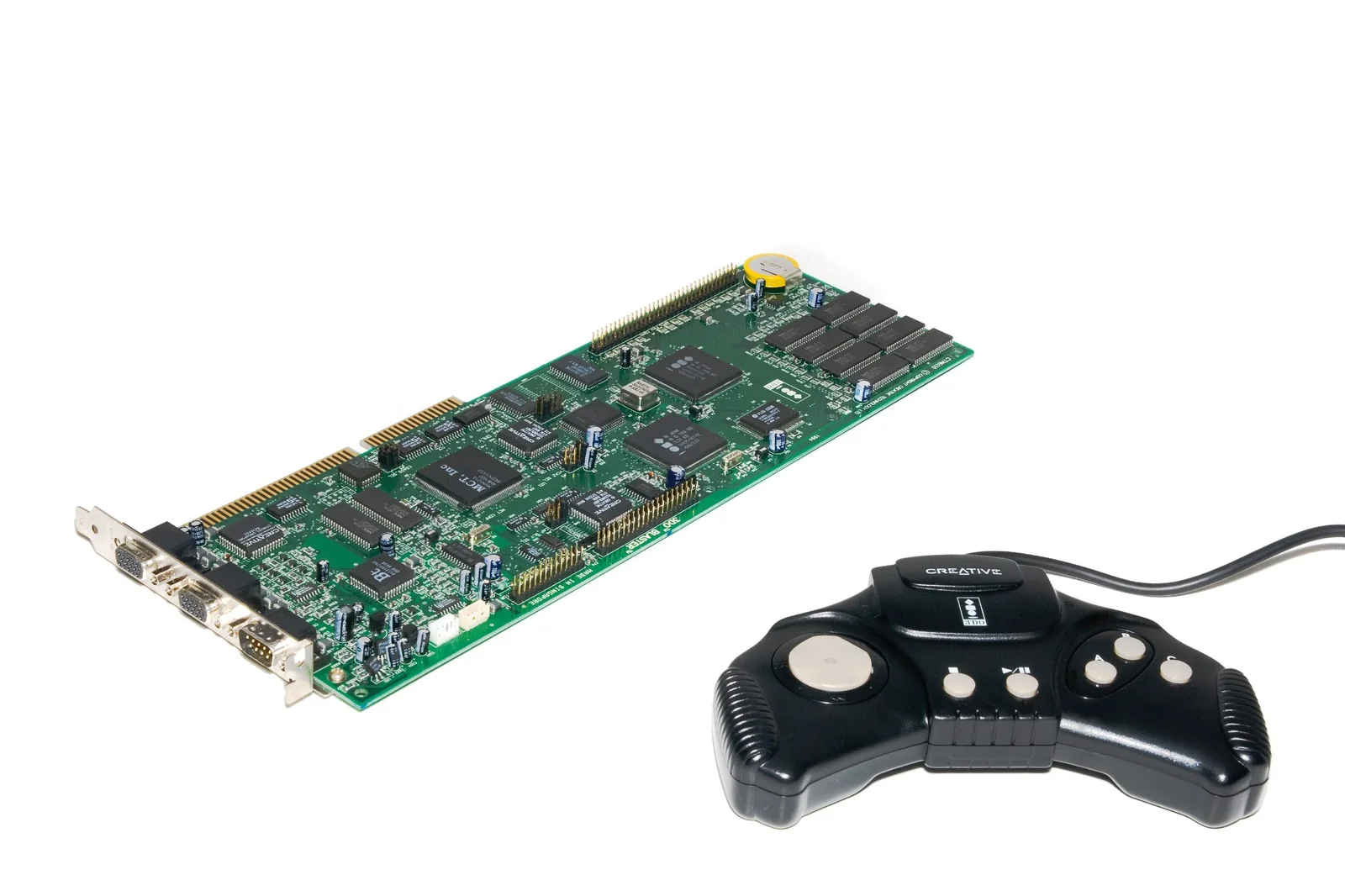
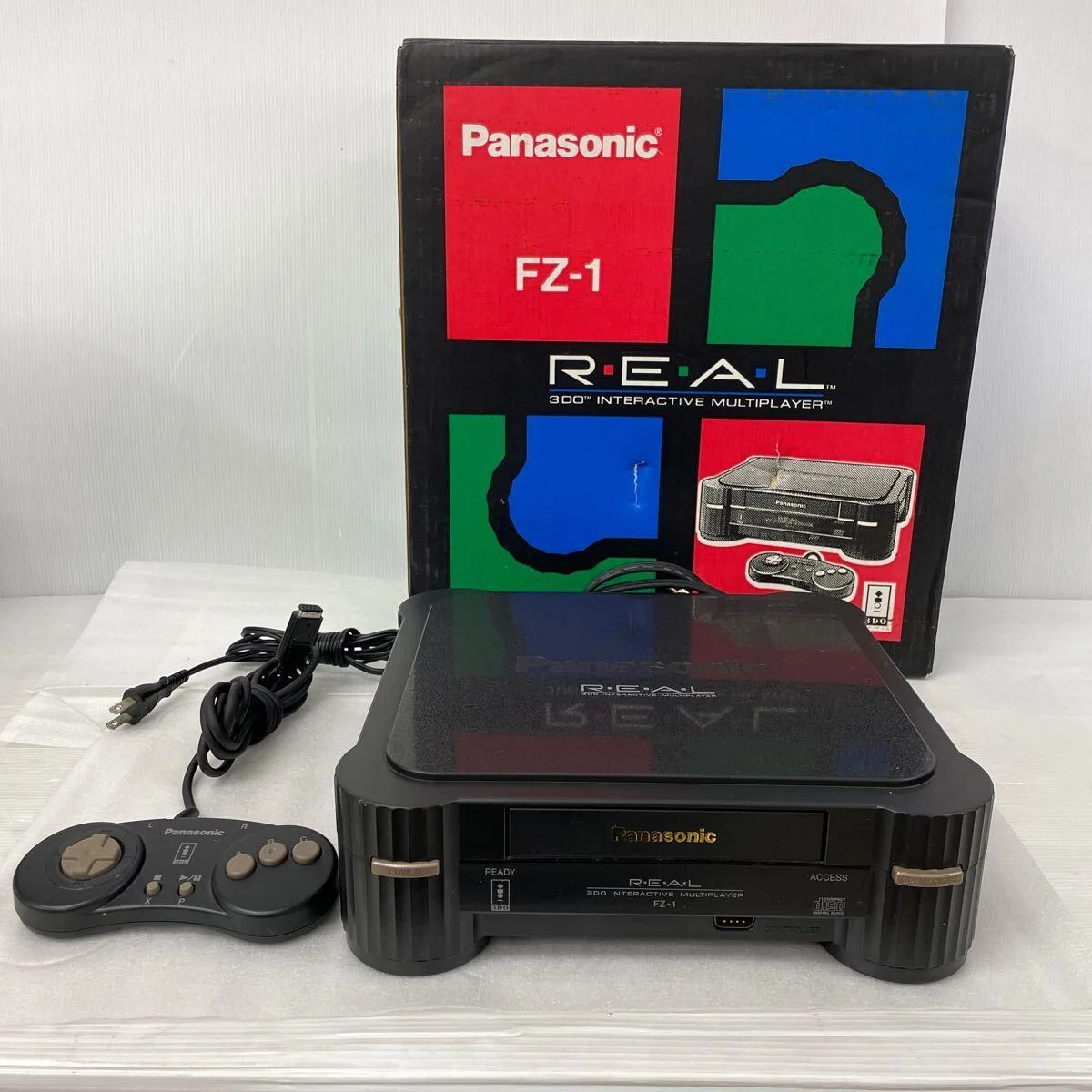
This is the part of the story that proves 3DO was more than vaporous corporate rhetoric. Other manufacturers really did build compatible products. Panasonic followed its original FZ-1 with the smaller, top-loading FZ-10. GoldStar produced licensed 3DO hardware. Sanyo released the wonderfully odd TRY model in Japan. Creative Labs took the idea in an entirely different direction with the 3DO Blaster, a PC expansion solution that brought the platform into a compatible computer. Specialist preservation sites such as The 3DO Archive, Real3DO and collector databases such as Console Variations make it possible to see just how varied the hardware family became.
For collectors today, this might be the coolest physical legacy of Hawkins’ philosophy. A row of Sega hardware still looks like products from Sega. A row of Nintendo hardware looks like products from Nintendo. A row containing Panasonic, GoldStar, Sanyo and Creative 3DO devices looks like evidence recovered from an alternate history where home consoles evolved like VCRs. Technically, the standard worked. Commercially, the presence of several expensive players did not automatically create one cheap, ubiquitous player.
Road Rash: When the 3DO Suddenly Made Sense
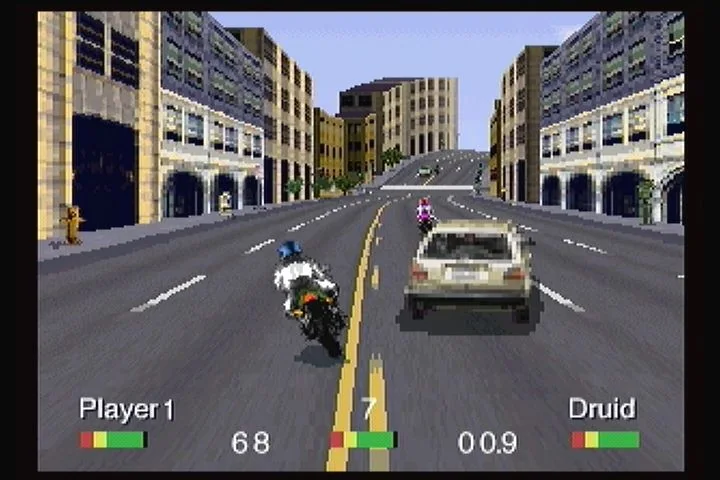
If you want to understand why 3DO owners became attached to the machine despite everything going wrong around it, play Road Rash. Electronic Arts took a successful Genesis series and rebuilt its presentation around the possibilities of CD-ROM. The motorcycles, traffic and roadside combat were familiar, but the 3DO version surrounded them with photographed characters, video sequences and licensed rock music. MobyGames’ 3DO screenshot archive preserves a good visual record of the release, while smaller retro retrospectives such as CelJaded’s look back at the game capture why it felt so different from its cartridge-era predecessors.
This was the 3DO pitch translated into something a player could feel rather than read on a specification sheet. The music sounded different because it was recorded music. The presentation looked different because the disc could hold far more visual material. The whole production felt closer to MTV than to the 16-bit games sitting beside it. For a short time, Road Rash really did make the expensive machine seem like a portal into the next generation.
The cruel joke is that CD-ROM presentation was not going to remain a 3DO advantage for long. Once PlayStation, Saturn and increasingly powerful PCs normalized optical media, the wow factor became an ordinary expectation. One of the system’s greatest strengths had an expiration date.
The Need for Speed Was Born Here
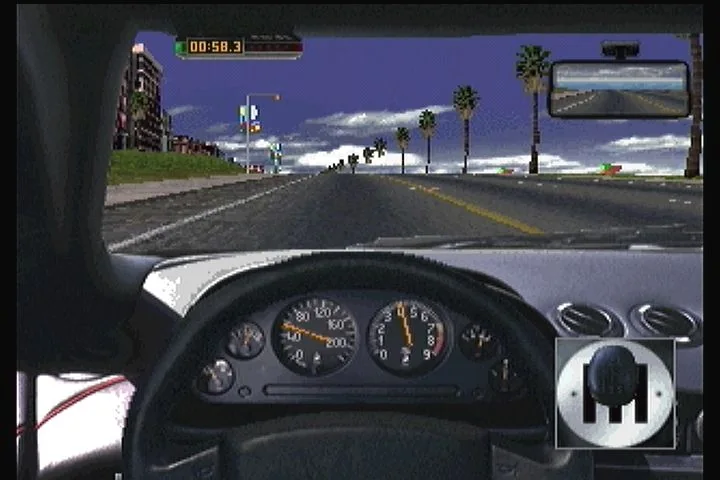
One of the strongest arguments for taking the 3DO library seriously is sitting in plain sight: The Need for Speed began on this machine. The original Road & Track Presents: The Need for Speed debuted on 3DO before the series expanded to other platforms. EA and developer Pioneer Productions leaned into the fantasy of driving exotic cars, using the disc format for photography, audio, detailed presentation and an automotive-magazine flavor that separated the game from ordinary arcade racing.
That origin matters because Need for Speed became one of the longest-running racing brands in gaming. The 3DO was not merely receiving ports of franchises born elsewhere; it was serving as the launch pad for ideas that later became vastly more commercially important on other platforms. This happened repeatedly. Developers experimented on 3DO, discovered ideas that worked and then followed the audience to machines with larger installed bases.
Gex and the Search for a Face
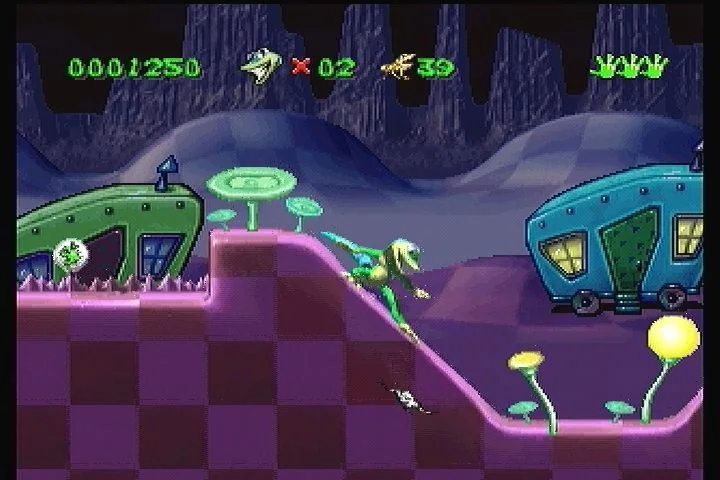
Crystal Dynamics was one of the studios most closely identified with the early platform, and Gex became its most obvious attempt at creating the kind of recognizable character every 1990s console seemed required to possess. A television-addicted, wisecracking gecko was a wonderfully specific artifact of the decade, and the game became one of the system’s commercial standouts. A Game Informer history of Crystal Dynamics provides useful context for the studio’s early years and the way 3DO helped shape its identity.
Yet Gex also exposes the platform’s weakness. Mario meant Nintendo. Sonic meant Sega. Gex was not locked to 3DO in the same way. Once Crystal Dynamics had a recognizable character, it made perfect business sense to take him to PlayStation, Saturn and PC. The 3DO’s publisher-friendly philosophy made it difficult to build the kind of exclusive software mythology that turns a box into a culture.
Star Control II and an Unexpected Preservation Legacy
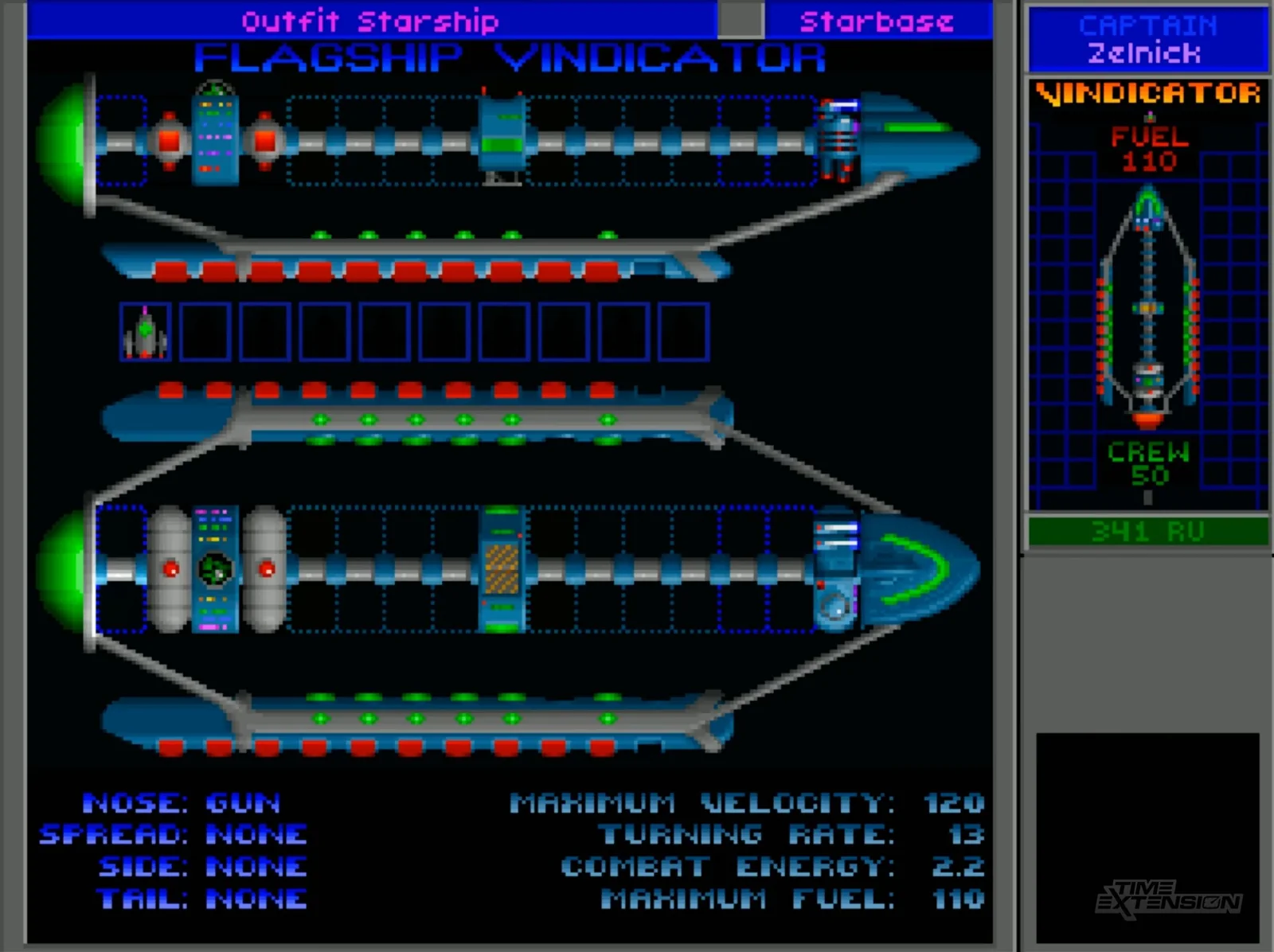
Some of the best software on the machine had already lived elsewhere. Star Control II was a celebrated computer game before reaching 3DO, but the console adaptation used the CD format to add extensive voice work, revised presentation and a different audiovisual flavor. Retro Replay already has a full History of the Star Control Universe, and this is exactly the sort of internal link a reader should find naturally while moving through the 3DO story.
The port became historically significant long after 3DO hardware disappeared. Source code connected to the 3DO release helped form the foundation of The Ur-Quan Masters, the open-source project that preserved and expanded access to Star Control II. That gives the failed console an unexpected role in game preservation. One of its best adaptations did not simply survive the machine; part of the machine’s version helped the game survive.
The Multimedia Gold Rush Gets Weird
CD-ROM arrived with a simple promise: dramatically more storage. The game industry responded exactly as creative industries often respond when technical limits vanish overnight—it tried almost everything. Full-motion video exploded. Actors were filmed against questionable sets. Developers stuffed discs with speech, animation, still photography and anything else that made the new medium look expensive. Sometimes the results were genuinely innovative. Sometimes they resembled local-access television with a game controller attached.
The 3DO became a natural home for that experimentation because the word multimedia was built into its identity. The platform’s library accumulated interactive movies, light-gun conversions, cinematic adventures and strange hybrids that do not fit cleanly into the genre categories we use today. This is part of why collecting 3DO software is fun now. You are not merely buying old games. You are buying artifacts from an industry that had suddenly received vastly more storage and was still learning what that meant.
Street Fighter Gives the Machine Arcade Credibility
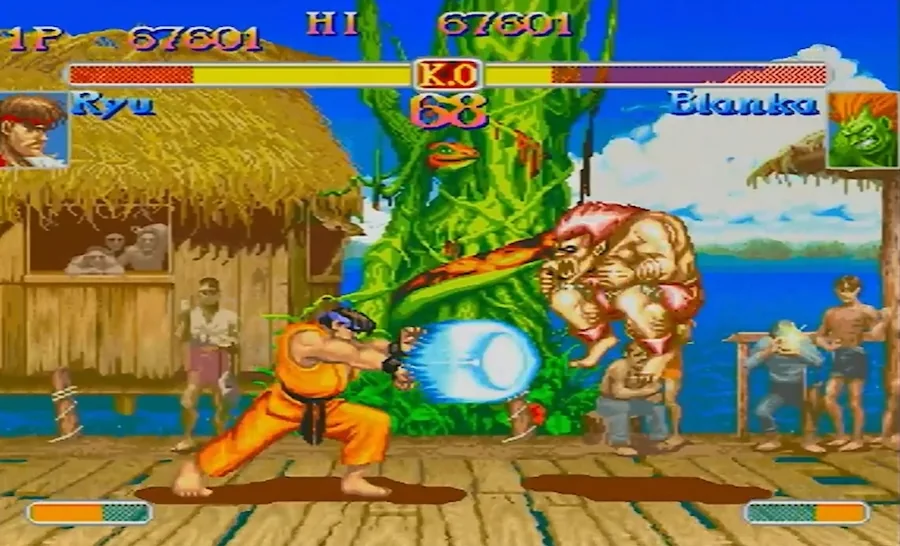
Capcom’s Super Street Fighter II Turbo became an important counterargument to the idea that 3DO was useful only for multimedia experiments. The conversion looked and sounded impressive for its time, particularly compared with earlier 16-bit home versions. The awkward joke was that the standard 3DO pad was built around three main face buttons, while Street Fighter was built around six attacks. Six-button controllers eventually addressed the issue, but it was the kind of contradiction that seemed to follow the machine everywhere: impressive technology paired with one strange compromise that made you wonder how everybody in the room had missed it.
Return Fire and the Cult Library
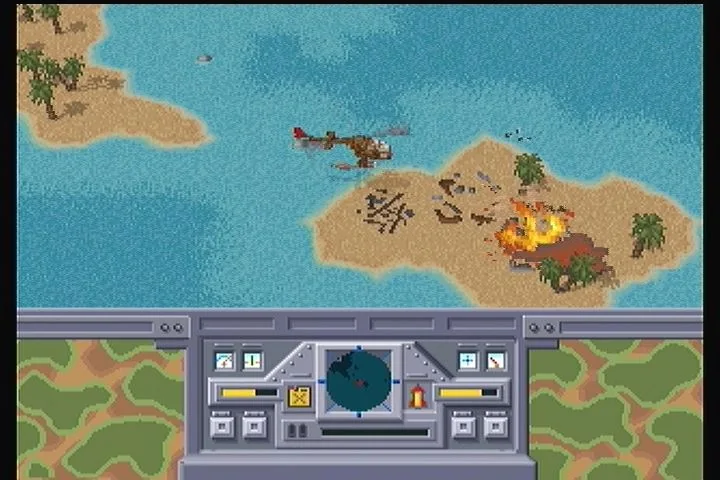
The most enjoyable parts of the 3DO library are often the games that are neither gigantic franchises nor notorious failures. Return Fire became a cult favorite through simple overhead vehicular combat, destructive environments and memorable use of classical music. Killing Time, Lucienne’s Quest, Guardian War, Captain Quazar, Shock Wave, Super Wing Commander and other oddities give the system the kind of catalog that becomes more interesting once commercial expectations disappear.
In 1994, a buyer had to ask whether those games justified hundreds of dollars of hardware. In 2026, a retro-gaming fan can ask a much more enjoyable question: what strange thing did somebody try on this machine that they might never have attempted anywhere else? The second question is why the platform has aged better as a subject of study than it did as a product.
Doom: A Porting Disaster That Became a Legend
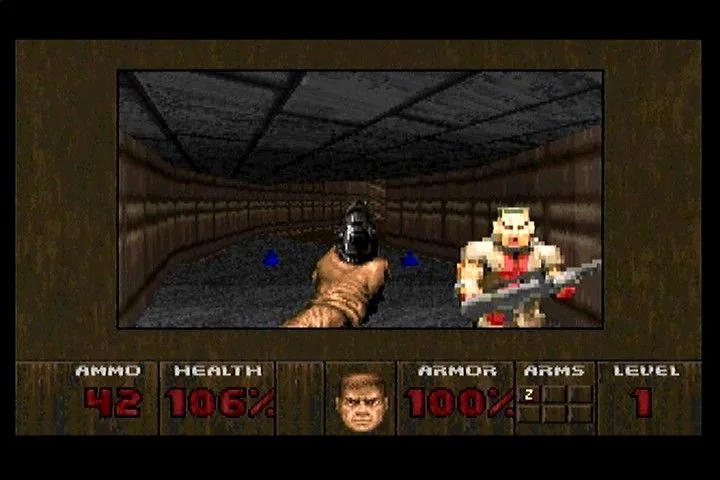
If the 3DO needed one game to symbolize the gap between promise and execution, Doom would be a strong candidate. On paper, the combination sounded obvious: one of the most important PC games ever made running on premium CD hardware with enough multimedia capability to do something special. Instead, the project became one of the great emergency-port stories of the 1990s. Rebecca Heineman was brought in late and discovered that the state of the game was far worse than expected. Rather than polishing an almost-finished version, she was effectively tasked with salvaging it under an absurd schedule.
The final release suffered. The gameplay window was reduced, performance struggled, and the 3DO version earned a reputation as one of the weaker console interpretations of Doom. Yet the context makes the existence of a functioning product almost impressive. Time Extension’s investigation into the missing live-action footage documents an even stranger layer of the project: FMV scenes had actually been filmed as part of ambitions that never survived contact with the schedule.
For the bigger story, Retro Replay’s Definitive History of Doom is a natural internal companion. The 3DO port makes more sense when seen as part of the extraordinary number of platforms, companies and developers trying to capture a piece of Doom’s cultural explosion.
Then Sony Changed the Comparison
The 3DO’s most dangerous enemy was not a single bad port, a single pricing mistake or even a single competitor. It was the speed at which the market moved. In 1993, the machine could be demonstrated beside a Genesis or Super Nintendo and look radically modern. By 1995, Sega Saturn and Sony PlayStation changed what “modern” meant. Sony in particular attacked the exact areas where 3DO was vulnerable: a clear platform identity, aggressive third-party relations, unified manufacturing, enormous marketing resources and a North American launch price of $299.
Consumers did not need to understand why 3DO’s licensing structure might be more publisher-friendly. They did not need to care whether Hawkins’ standard was philosophically elegant. They stood in stores comparing price, games and momentum. Sony’s machine was cheaper than the 3DO had been at launch, heavily marketed and quickly surrounded by software that made 3D gaming feel like the obvious future.
This is where the story becomes almost cruel. Hawkins had wanted to free the industry from powerful proprietary platform owners. The machine failed at precisely the moment Sony was proving how powerful a tightly coordinated proprietary platform could become. The open-style standard lost. The centralized PlayStation model won.
Retro Replay’s History of ToeJam & Earl offers a useful look back at the Sega-dominated 16-bit culture the 3DO was trying to leap beyond. Reading the two histories together shows how quickly the industry moved: the funky, cartridge-driven Genesis world of 1991 and the polygon-and-CD race of 1994 can feel like separate eras even though only a few years divide them.
The Future Arrived — Just Not on 3DO
By the time cheaper 3DO hardware became available, the original technological argument had weakened. That is one of the cruelest features of console history. Hardware does not become physically worse when a competitor launches, but its meaning can change overnight. CD audio that seemed luxurious in 1993 became normal. Full-motion video stopped looking inherently futuristic. Polygonal graphics became expected. The machine that had once appeared to be several years ahead suddenly looked like a transitional device between the cartridge age and the real 32-bit mainstream.
Worldwide sales are usually placed at roughly two million systems, though exact totals are difficult because multiple manufacturers were selling compatible hardware. Two million units are not nothing, particularly for a strange premium platform, but they are nowhere near enough to establish the universal standard Hawkins had imagined. The goal was not merely to survive as a niche console. The goal was to become the format.
M2: The $100 Million Second Chance
Ordinarily, this is where a failed-console story winds down. 3DO instead produced one of the strangest sequels in hardware history. The next-generation architecture known as M2 promised a dramatic increase in 3D performance and another opportunity to leap ahead of the competition. Matsushita saw enough potential to pay an enormous sum for the technology. Contemporary reporting and preserved company announcements describe a deal worth $100 million plus royalties for rights to M2.
That number is almost unbelievable in context. Panasonic had already watched the first 3DO struggle to build an audience, yet it still believed enough in the successor technology to spend heavily acquiring it. Development hardware existed. Demonstrations existed. Software work existed. The idea came close enough to reality that collectors can still find physical evidence of the canceled platform.
Then Panasonic declined to launch the consumer machine. By the time M2 could have become a retail platform, PlayStation had enormous momentum, Saturn was already fighting for position and Nintendo 64 had arrived. Entering the market meant building not only hardware but an entire software ecosystem from scratch against established rivals. Panasonic backed away. The M2 technology survived in specialized commercial uses, but the home-console future vanished.
Retro Replay already has a dedicated Panasonic 3DO M2 history, and the canceled system deserves that separate treatment. In the larger 3DO story, M2 serves as the perfect epilogue: even after one of the most expensive misfires of the early CD era, the underlying dream remained seductive enough that Panasonic was willing to spend another fortune chasing it.
The 3DO Company Outlives the 3DO
The hardware disappeared, but the company did not. The 3DO Company moved into more conventional software publishing and became associated with properties including Army Men, BattleTanx, High Heat Baseball, Might and Magic and Heroes of Might and Magic. In 1997, Wired reported on 3DO’s shift away from the console business, a remarkable reversal for a company founded to reinvent that business.
The software era lasted longer than the hardware era, but it eventually ended too. By 2003, financial problems overwhelmed the company and its assets were broken apart. The name “3DO” therefore lived several lives: first as a standard that was supposed to disrupt consoles, then as a failed hardware brand in the public imagination, and finally as the name of a conventional game publisher trying to survive on software.
The argument the games could not win
The 3DO could run strong software. The Need for Speed began a franchise here. Road Rash found a louder, stranger CD identity. Star Control II, Return Fire, Gex, and Super Street Fighter II Turbo all gave owners something worth putting in the drive. The failures and oddities belonged there too, including a Doom port whose troubled path became legend. This was not a library without merit.
Hawkins correctly saw that optical discs, speech, recorded music, video, and electronics giants would shape console gaming. His bet on a VHS-like hardware standard was harder. Multiple manufacturers did build compatible 3DO machines, but each needed to make money on its own box. A centrally controlled platform could coordinate hardware pricing, software, marketing, and long-term support more directly. Sony’s PlayStation arrived with that coordination and a price ordinary buyers could compare without wincing.
The distinction helps explain the 3DO’s peculiar sadness. The games could prove that the machine worked. They could not make a costly manufacturing model disappear before a cheaper rival took the same future to a much larger audience.
Why Collectors Love the 3DO Now
Time has been unusually kind to the platform as a collecting subject because the things that confused consumers now make it fascinating. There is not simply one 3DO box. There are Panasonic models, GoldStar machines, the Sanyo TRY, the Creative Blaster, strange controllers, unusual accessories and development hardware. Specialist preservation communities continue documenting obscure variants and technical details decades after the commercial market disappeared.
The software is equally interesting because it sits between generations. Some games feel like 16-bit designs given luxurious audio and video. Others point directly toward the PlayStation era. Others could only have come from that brief period when developers believed live-action video might be the future of interactive entertainment. The library is inconsistent in the best possible way. It feels archaeological.
What the black box kept
A collector can now line up Panasonic, GoldStar, and Sanyo machines and see the hardware standard Hawkins imagined. The discs tell a less orderly story. Some games are polished bridges from the 16-bit era; some are early glimpses of the PlayStation years; some belong only to the moment when filmed actors and a CD drive seemed enough to reinvent play.
The 3DO did not lose because its engineers were foolish or because every disc was a novelty. It lost because a daring design and a developer-friendly publishing pitch still had to reach people who could afford the player. Panasonic spent heavily on the M2 successor and then declined to launch it as a home console. The company had learned how expensive it was to build not just a machine, but a market around one.
Play Road Rash or Need for Speed on the original hardware and the ambition is easy to hear and see. The price tag remains easy to understand too. Both truths belong on the same shelf.

That $799 list price is wild even with the 3DO’s ambitions in mind. The VHS-style idea of multiple manufacturers is fascinating, but for a portable-minded player the practical problem is that the expensive box had to justify itself before there was a big library to dip into.