 Retro Replay Retro Replay gaming reviews, news, emulation, geek stuff and more!
Retro Replay Review
Gameplay
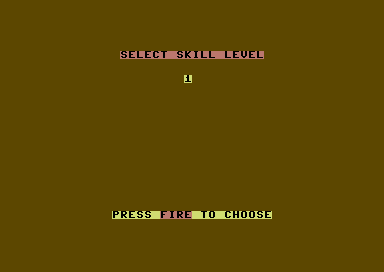
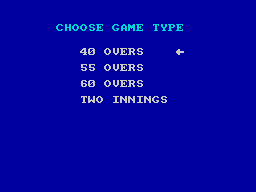
The first thing Graham Gooch’s Test Cricket gets right is that it lets you decide what sort of afternoon you are having. A 40-over match suits a quicker sitting, while 50 and 60 overs give the contest more room to breathe; the two-innings option is there when you want the longer Test-style commitment. Add one- or two-player support and nine skill levels, and this has more replay value than its simple setup initially suggests.
There is a meaningful choice between simulation and arcade rules. In simulation, bowling is about placing the ball in a chosen direction, while batting lets you choose caution or aggression. That creates a recognisable cricket rhythm: bowl with a plan, then decide whether a delivery deserves respect or a gamble. Arcade mode loosens things up by allowing control over bowling speed, but it also forces aggressive batting, making it the less subtle and more immediately frantic option.
The limitation arrives after contact. Once the ball is sent into the field, the computer takes over the chase and decides how many runs result. That can be frustrating if you want complete command over running or fielding, because a well-struck ball does not always feel entirely yours after it leaves the bat. Think of it as a cricket game focused on the pivotal delivery-and-shot exchange rather than a full recreation of every on-field decision.
Team selection adds welcome texture before the first ball: you choose an eleven with wicket-keepers, slip catchers, and bowlers in mind. It is not deep management, but it helps the match feel less like a disconnected sequence of deliveries. If you enjoy the tactical tension of setting a fielding-minded side and then trying to outthink the batter, the simulation mode is where this old game earns its time.
Graphics
Matches are shown from behind the bowler at an elevated angle, with the batter, wicket-keeper, and slip catcher visible around the wicket. It is a sensible view for following the key confrontation and judging the direction of a delivery.
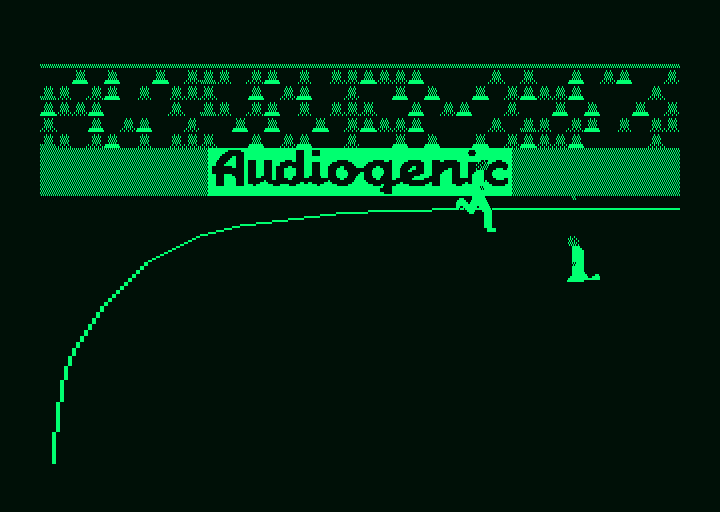
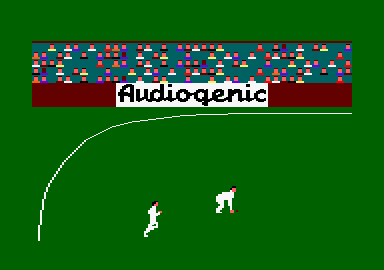
When the ball reaches the field, the camera switches to an elevated side view of fielders chasing it down. The change makes the result easy to follow, even if the game does not put you in charge of that chase.
Story
There is no narrative campaign here; the story is the match you make. A long game can build its own small drama through risk, restraint, bowling choices, and the pressure created by a changing score.
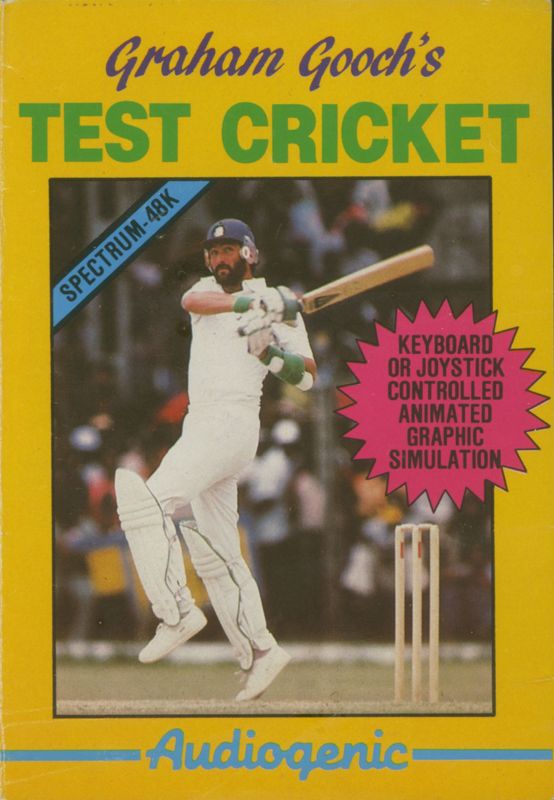
The Graham Gooch name gives the package a real-cricket frame, but the game does not lean on celebrity spectacle. Instead, it puts the focus on familiar decisions: choosing a side, deciding how long the contest should run, and working through a match delivery by delivery.
That stripped-back approach suits the era. You are not being pulled through scripted rivalries or set-piece moments. You supply the stakes, whether that means a quick arcade contest with a friend or a more deliberate two-innings simulation.
Overall Experience
Graham Gooch’s Test Cricket is more convincing when you meet it on its own terms: an early cricket game built around the duel between bowler and batter, with match-length options that let you choose between a brief fixture and a longer contest. Its strongest moments come when simulation mode asks you to balance defensive and aggressive batting against directed bowling.
The computer-controlled outfield resolution is the big compromise. If you need to manually chase, throw, run, and control every phase, it will feel thin and occasionally arbitrary. But if you can accept that abstraction, the changing camera and match structure do a decent job of carrying you from one crucial ball to the next.
Give it a chance if you like 8-bit sports games with unusually flexible match settings, or if cricket’s slower tactical back-and-forth matters more to you than arcade reflexes. Arcade mode offers a faster route in, but the simulation setting is the reason to stay. For more background on its place in cricket-game history, see the Graham Gooch’s Test Cricket history and release information.



Reviews
There are no reviews yet.