 Retro Replay Retro Gaming History, Reviews & Emulation
Retro Replay Review
Gameplay
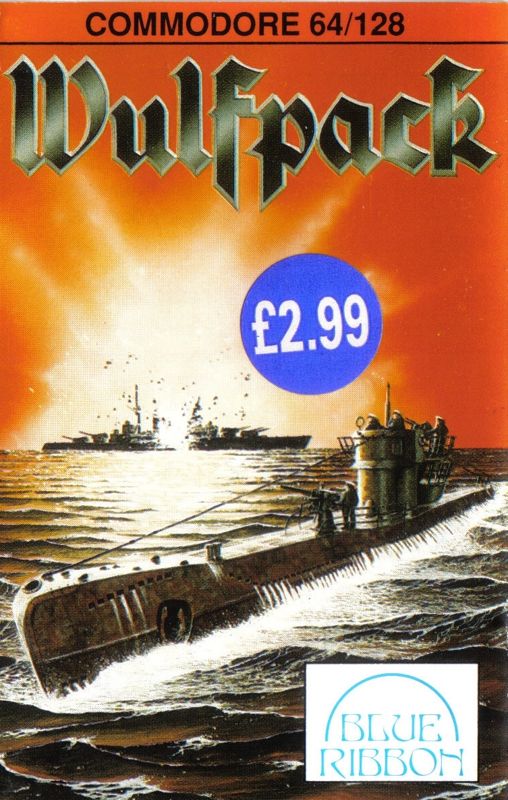
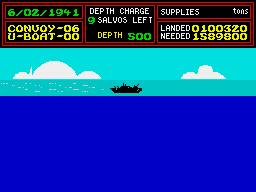
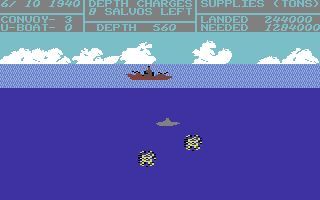
The first patrol is where Wulfpack earns your attention. You command a destroyer in the Atlantic, defending convoys from submarine attack, but the objective is bigger than surviving a single skirmish: enough supplies must reach England before the invasion can begin. Watching ships disappear is not just a setback. Lose too many and the campaign is over, so there is real weight behind every attempt to protect the fleet.
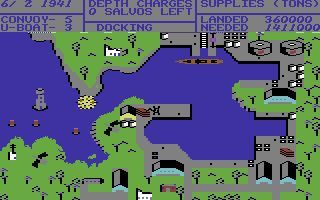
The depth-charge limit is the game’s sharpest bit of pressure. You cannot spend ammunition freely, and once the destroyer is empty you have to return to port and dock it successfully. That means the trip home is part of the challenge, not a break between battles. Crash in the harbour and the ship sinks; with only twelve ships in the fleet, careless handling steadily eats away at your margin for error.
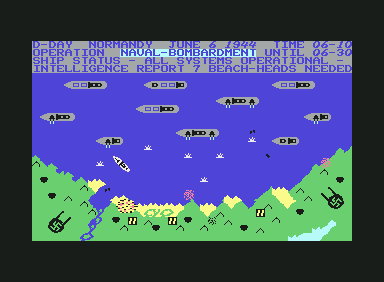
From there, Wulfpack changes the job rather than merely asking you to repeat the same patrol. The D-Day phase has you shelling enemy defences while avoiding mines and friendly ships, before the final landing-craft sequence asks you to guide the invasion to shore. Five difficulty levels help, but this remains a stern action game. Keyboard and joystick control options are welcome, and you should expect to spend early runs learning when aggression is worth the risk.
Graphics
The top-down naval view keeps the important business in sight: your destroyer, convoy traffic, hazards, and the landing craft you must shepherd. It is a practical fit for an action game built around steering through crowded, dangerous water rather than a detailed simulation view.
Story
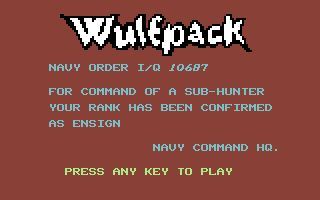
Wulfpack does not lean on character drama. Its story is the military operation itself, told through objectives that move from Atlantic supply protection to the D-Day assault and the landings. That straightforward structure works because each phase has consequences for the next one.
The convoy section creates the campaign’s stakes cleanly: supplies need to reach England, and losses can end the mission before the invasion starts. When the game finally moves to bombardment and beach landings, it feels like progress rather than a disconnected set of naval challenges.
The ending is equally blunt. Get enough landing craft ashore and the enemy surrenders; fail and the invasion collapses. It is not elaborate storytelling, but it gives every phase a purpose and makes a successful run feel like you have carried an operation through to its conclusion.
Overall Experience
Wulfpack is at its best when you accept that it wants you to manage a fragile campaign, not simply rack up targets. Ammunition, docking, convoy losses, mines, friendly ships, and the limited fleet all turn small mistakes into lasting problems. That can be frustrating, especially when a crash costs one of your twelve vessels, but the tension is genuine.
The three-phase structure is the reason to give it a chance. Many compact action games run out of ideas quickly; Wulfpack instead moves from escort duty to bombardment and finally to directing a landing. The goals change enough to make the invasion feel like a payoff for surviving the Atlantic rather than an arbitrary new level.
Come to it if you enjoy World War II action with hard fail states and a willingness to make you earn a victory. If you want a relaxed naval power fantasy, its punishing losses and mandatory docking will wear thin. For patient players, though, the escalating operation gives this small-scale destroyer command more bite than its simple setup suggests.


Reviews
There are no reviews yet.