 Retro Replay Retro Gaming History, Reviews & Emulation
Retro Replay Review
Gameplay
Zampabolas is built around a recognisable premise: several players compete to collect balls, turning a familiar board-game idea into a direct multiplayer contest. The game supports two to four players, placing all of its emphasis on the pressure and unpredictability created by human opponents.
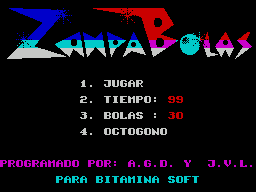
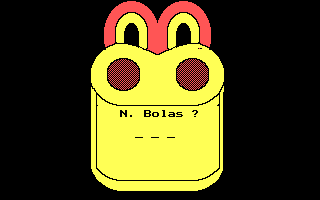
Match length is one of its clearest strengths. Selecting 10, 20, or 30 balls lets a group decide whether it wants a quick burst of competition or a longer contest with more time for scores to shift. That simple choice gives the game useful flexibility without complicating its premise.
The central limitation is equally clear: there is no AI player and no solo mode. Zampabolas is therefore not a game to keep a lone player occupied; it needs at least one other participant, and its value rises or falls with the people gathered around it.
Graphics
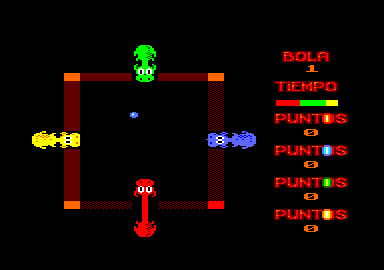
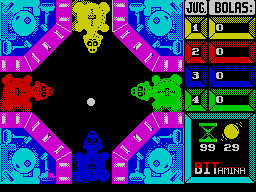
The presentation serves a board-game conversion first and foremost. With two selectable boards, Zampabolas offers some visual variation between sessions rather than confining every match to a single layout.
Its top-down perspective is a natural fit for a competitive board-game format, keeping the play space readable and the focus on the shared contest. This is a functional visual approach rather than a showcase designed around spectacle.
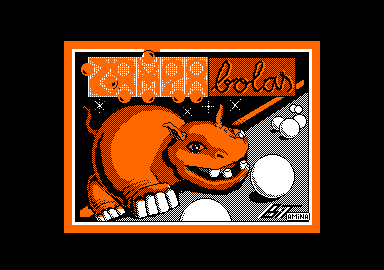
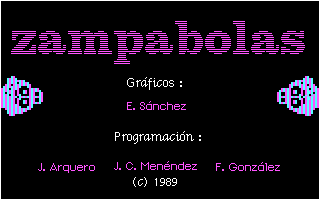
Across DOS, ZX Spectrum, MSX, and Amstrad CPC, the game’s identity remains rooted in its simple tabletop-inspired setup. Players looking for elaborate visual flourish may find the presentation modest, while those who value immediate clarity have a more suitable target.
Story
Zampabolas does not build its appeal around narrative. There is no indicated campaign, character arc, or story framework to distract from the competitive objective.
Instead, each match creates its own small drama through the contest for balls and the changing result between players. The tension comes from competition rather than scripted events.
That absence of story is appropriate to the game’s board-game roots. Anyone seeking plot, exploration, or a sense of progression should look elsewhere, but players wanting an uncomplicated social challenge will not be waiting for exposition to end.
Overall Experience
Zampabolas is a focused multiplayer conversion whose strengths are accessibility, short-form competition, and a ruleset that needs little explanation. It understands that the appeal of this kind of game is getting several people into the contest quickly.
The selectable boards and ball totals add welcome options, especially for repeat sessions. Still, the lack of computer opponents makes it a situational game: when no other players are available, there is effectively nothing to do.
For a group of two to four players, Zampabolas is a straightforward period action-board game with a clear social purpose. It is best recommended as a brief competitive diversion, not as a deep or solitary experience.


Reviews
There are no reviews yet.