 Retro Replay Retro Gaming History, Reviews & Emulation
Retro Replay Review
Gameplay
The first hour of Galactic Revolution is spent learning to think like an opportunist rather than a conqueror. An independent planet is not just territory waiting to be seized. It is a balance of manufacturers, military, peasants, traders, and bureaucrats, and every administrative action shifts that balance. Raise tariffs, reform land, reduce bureaucracy, introduce a draft: each choice has a direct local consequence and a wider effect on how groups across the galaxy feel about your faction.
That is where the game becomes interesting. You can chase influence until a planet tips into your control, but military action offers a faster and much riskier route. Winning a battle improves support from every power group, while losing one harms it across the board. A tactical retreat can save you from that political damage, which makes it more than a simple combat command; sometimes preserving your broader position matters more than holding a single world.
The resource loop keeps those political decisions grounded. Controlled planets yield taxes, troops, ships, and weapons, but a legion needs all three military components: arms, a ship, and ten troops. It is easy to have plenty of one resource and too little of another, especially because each faction begins with a distinctly uneven position. Du Buque has troops but few ships, Tawala begins with territory and arms but little money and few ships, and Swart has money and ships but too few troops. You need to play the hand you are dealt rather than force every faction into the same expansion plan.
Multiplayer adds worthwhile nastiness through blockades and alliances. A blockade can shut off an opponent’s taxes, drafting, and construction, though breaking or imposing one consumes troops. Alliances let partners combine resource pools, creating a real reason to negotiate around mismatched stockpiles. Single-player lacks those options, so its focus is more squarely on outmaneuvering computer-controlled factions through administration, expansion, and carefully chosen wars.
Graphics
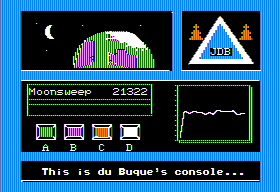
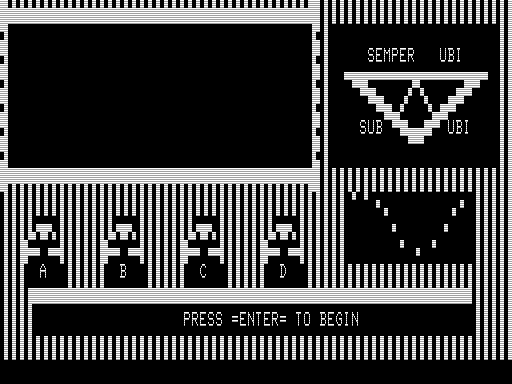
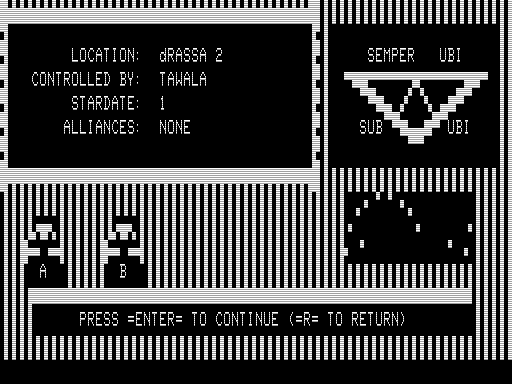
Galactic Revolution uses a text-based, spreadsheet-like Apple II interface. Expect screens built around information and choices rather than character art or animated battles. The fixed screens suit the game’s accounting-heavy political strategy, but you will be spending your time reading numbers, faction standings, planet status, and action results.
Story
The setup gives the strategy a welcome dose of rivalry. Emperor Tawala Mundo rules a united Central Galactic System, yet his violence has weakened his hold, former fleet commander Julian du Buque retains military popularity, and trader leader Jan Swart is building influence through the secretive Broederbund. The galaxy is already unstable before you make your first move, so the contest feels like a scramble to determine who turns unrest into power.
There is no need for elaborate scripted drama when the factions themselves create the tension. Tawala’s bureaucratic backing and troubled trade standing, du Buque’s military credibility, and Swart’s money-rich but politically weaker base make their competition legible in strategic terms. The story is expressed through the starting conditions and the contest for support, not through a long chain of authored scenes.
That approach works because the political themes are mechanically connected to what you do. Drafting troops can anger peasants and traders. Trade and taxation choices can shift influence. A battlefield defeat has consequences beyond the dead legions. The result is a sci-fi power struggle where policy, reputation, and violence continually collide.
Overall Experience
Galactic Revolution is demanding in the way early strategy games often are: it expects you to absorb a web of interconnected values and accept that a seemingly useful decision may create a problem elsewhere. The frustration is not merely in managing resources; it is in realizing that local support and galaxy-wide sympathies can pull your plan in different directions. If you want instant tactical feedback, that pace may feel dry.
For patient strategists, the payoff is substantial. Few conquest games make political pressure this central to taking territory. You are building legions, certainly, but you are also cultivating factions, exploiting rivals’ weaknesses, and deciding when force is worth the diplomatic and political fallout. The 18-planet goal gives the whole campaign a clean, focused finish line.
Give it a chance if you enjoy turn-based strategy that treats an empire as a fragile system rather than a collection of targets. The text-heavy interface and strict resource requirements make it a specialized recommendation, but the core contest remains clever: win planets by changing who believes in you, then make sure you have the ships, arms, and troops to defend that belief when it is tested.


Reviews
There are no reviews yet.