 Retro Replay Retro Replay gaming reviews, news, emulation, geek stuff and more!
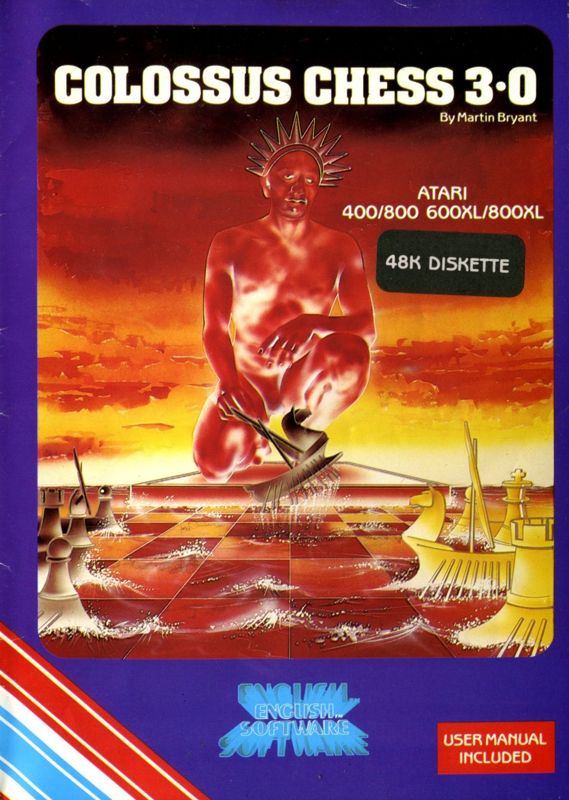
Retro Replay Review
Gameplay
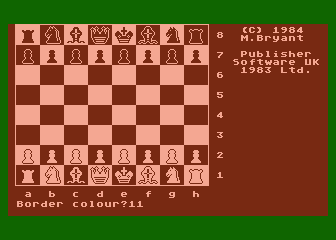
The first few minutes of Colossus Chess 3.0 feel refreshingly direct. There is no detour before the game: you are looking at a complete chessboard and deciding how to open. If you simply want a computer opponent on an Atari 8-bit machine, that uncluttered focus is still easy to appreciate.
Its most useful trick is the freedom to switch from the computer side to your own during a game. That turns a normal match into a study session: let the computer steer the position for a while, then take control when a tactical problem or difficult endgame catches your interest. Playing yourself is also welcome if you want to set up and work through a game without needing another person at the keyboard.
The best-move display is a double-edged convenience. It can save you from staring at a position with no idea where to begin, and it makes the program friendlier for inexperienced chess players. Lean on it too quickly, though, and you rob yourself of the satisfying work of finding the move. Replay is the better learning aid, because it lets you revisit a choice and consider why it changed the board.
There is little between you and chess itself, for better and worse. Every standard rule is accounted for, so the satisfaction comes from your planning, calculation, and willingness to learn from a poor move rather than from extra game modes or distractions. It is best suited to someone who wants a functional opponent and a few tools for analysis.
Graphics
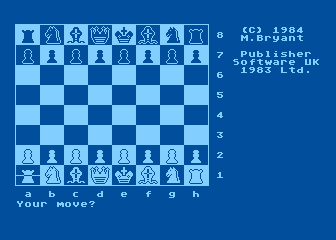
The board is shown from directly above, with the entire position visible at once. For chess, that is the right call: you can scan both flanks, compare piece placement, and follow the shape of the game without moving a camera or paging around the board.
Story
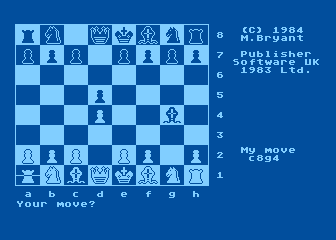
Chess does not need a written plot to create tension. In Colossus Chess 3.0, the story is the one you make across the board: a quiet opening becomes a fight for space, an overlooked piece turns into a problem, and a seemingly safe king can suddenly demand your full attention.
That emergent drama works best when you give a game time to breathe. The option to replay a move encourages you to treat mistakes as turning points rather than instant failures. You can go back, reconsider the position, and see how one decision redirected the contest.
There are no characters to carry the experience, so your investment depends on whether chess positions themselves hold your interest. If they do, a hard-won advantage or a recovered game has all the narrative payoff it needs. If you need a campaign or a themed setting to stay engaged, this will feel austere.
Overall Experience
Colossus Chess 3.0 is a sensible, no-nonsense chess program with a few thoughtful study features. The ability to play the computer or yourself, take over either side mid-match, request a suggested move, and replay moves gives you several ways to use the same board beyond simply trying to win one game.
Its limitations are also plain: the experience lives or dies on your enthusiasm for traditional chess. There is no ornamental layer here to soften a bad loss or make a familiar position feel new. Yet that honesty has a certain charm; when the game becomes absorbing, it is because you are genuinely wrestling with the board.
Give it a chance if you want an Atari 8-bit chess companion that can serve as both opponent and practice partner. Newer players should use the hint sparingly and replay moves often, while experienced players may get the most from taking over a side and testing their own judgment. For a later entry in the series, see Colossus Chess 4.


Reviews
There are no reviews yet.