 Retro Replay Retro Gaming History, Reviews & Emulation
Retro Replay Review
Gameplay
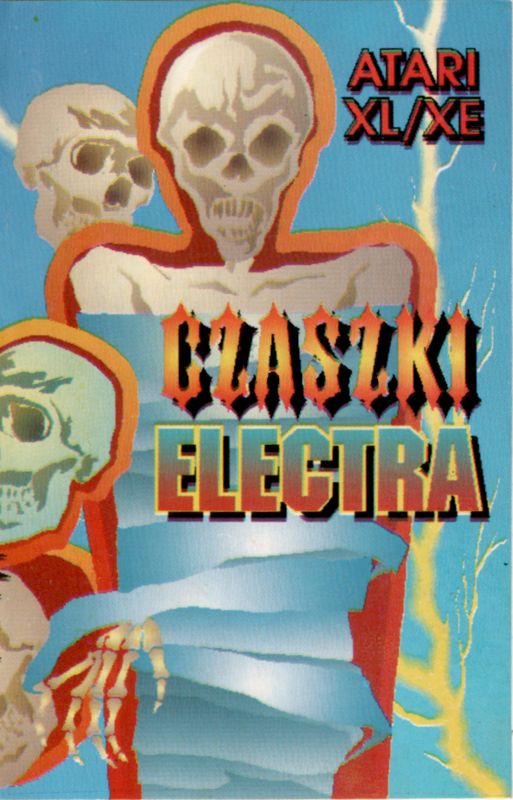
The strongest reason to try Czaszki / Electra is that its two games approach puzzle tension from opposite directions. Czaszki starts with a clear objective—place skulls, described as the remains of shamans, into a sarcophagus—but quickly becomes a crowded board-management challenge. You are not merely finding a route. You are weighing hazards, movable objects, and the limited opportunities created by useful items.
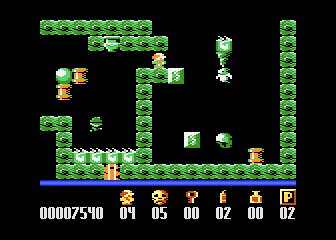
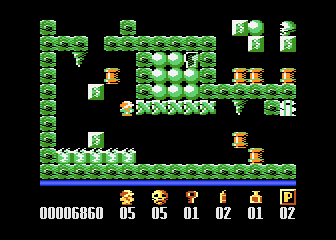
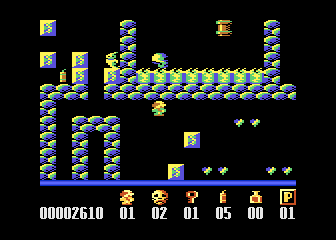
Dynamite, a strength elixir, anti-spirit protection, and keys give Czaszki more texture than a simple push-puzzle. Blasting through an obstruction or opening a door can feel like a breakthrough, while barrels and stones add another layer to the layout. The catch is severe: fire, stalactites, ghosts, gnomes, and cannon contact mean death. That sharp penalty makes progress feel earned, though it can also make the game frustrating when a promising plan collapses from one bad move.
Diamonds offer extra points, which is a nice incentive to look beyond the most direct solution. Still, survival and placement are the real priorities. You will enjoy Czaszki most if you like studying a compact board, committing to a plan, and accepting that greed can get you killed.
Electra is cleaner and more methodical. Its puzzle is to connect electrical equipment with cables while avoiding threats that destroy those cables: short circuits, acid-dripping taps, and exploding bombs. The premise is easy to grasp, but the hazards force you to think about the whole connection rather than treating each stretch of cable as an isolated task.
The compilation benefits from that contrast. After the more action-tinged danger of Czaszki, Electra asks for steadier planning. Neither game sounds interested in long-winded explanation or excess; they live or die on whether you enjoy tightly constrained boards and the satisfaction of finally seeing a safe route.
Graphics
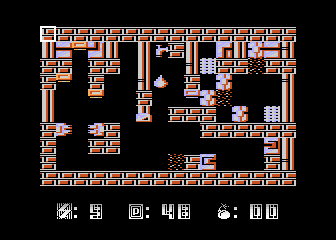
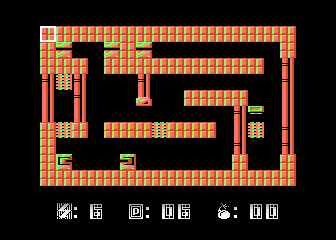
Both games use a top-down board view, keeping the important pieces in front of you: skulls, sarcophagus, doors, grates, pushable barrels and stones in Czaszki, then electrical equipment, cables, and cable-destroying hazards in Electra. That direct layout suits puzzles where a single square and obstacle can decide the result.
Story
There is barely a conventional story here, and that is appropriate for the format. Czaszki gets a bit of macabre flavor from its shaman remains and sarcophagus objective, which gives its hazards a more distinct theme than a collection of abstract blocks would have.
Electra is even more stripped down: its identity comes from the practical task of wiring equipment safely. The dangers are not characters with motives; they are board obstacles designed to break your plan.
Do not come in expecting plot or a journey between levels. These games use their themes as quick framing for puzzle rules, then get out of the way. For a 1993 Atari 8-bit compilation, that focus feels sensible: the tension comes from the next decision, not from what happens in a cutscene.
Overall Experience
Czaszki / Electra is a modest but purposeful two-game package. Czaszki is the better hook because its skull-placement objective, movable objects, tools, and instant-death hazards create a more dramatic board. It invites risky detours for diamonds and makes each cleared obstacle feel useful.
Electra earns its place by changing the pace rather than trying to repeat the same trick. Cable routing around destructive obstacles gives you a more deliberate puzzle to settle into, and it makes the compilation feel broader than either premise suggests on its own.
The main warning is simple: this is stern, old-school puzzle design. Death hazards and destroyed cables mean mistakes matter, so you need patience and a willingness to restart your thinking. If that sounds satisfying rather than exhausting, the two-game contrast makes this an easy recommendation for an Atari puzzle session.


Reviews
There are no reviews yet.