Retro Replay Retro Gaming History, Reviews & Emulation
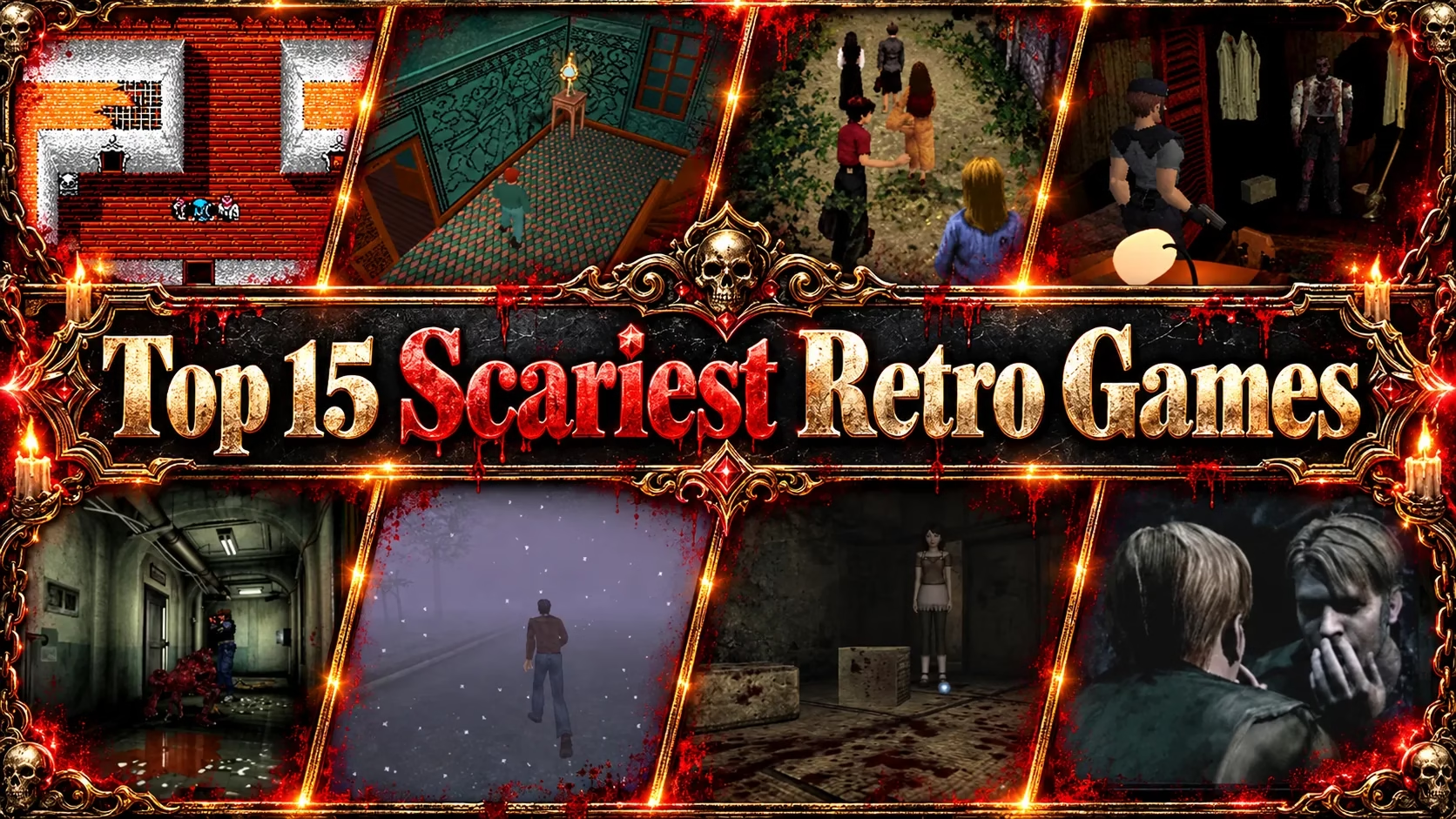
A creak in the next room, a pursuer you cannot fight, a town that seems to know your secrets: the best retro horror games found very different ways to make us afraid. This countdown follows fifteen that still unsettle us, from the Famicom to the PlayStation 2 and PC.
Our ranking is subjective. We weighed atmosphere, vulnerability, sound, unforgettable scenes, and the way each game keeps its fear alive after the controller is down. The listed platform is the version we are discussing; where Retro Replay has that game in its database, the entry links directly to it.
Would you rather watch than read? Put your feet up and watch our video countdown below. The write-ups, covers, and game screens are here whenever you want a closer look.
#15 — Sweet Home
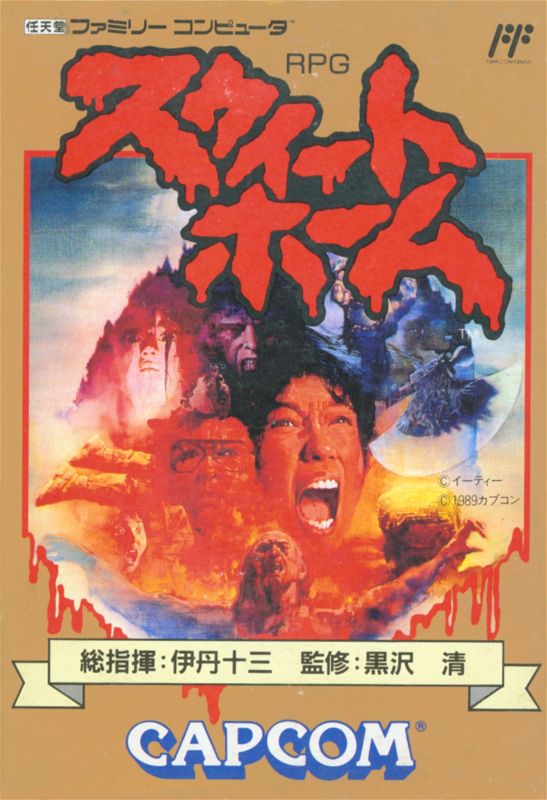
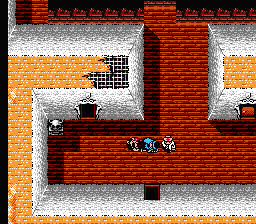
Capcom’s Sweet Home turns a mansion into a place where every decision can carry a permanent cost. Five visitors search its rooms, uncovering the story behind a family tragedy while paintings, strange objects, and supernatural enemies block the way. Its RPG battles make this different from the later survival horror games it helped inspire, but its atmosphere feels strikingly familiar.
Each character brings a useful item or ability, so moving through the house is a problem of planning as much as courage. Your inventory is tight, supplies are precious, and a dead party member stays dead. A missing teammate changes which puzzles you can solve and how confidently you can face the next encounter. That permanent loss gives a small 8-bit cast real weight.
Sweet Home is fascinating because you can see ideas that would reappear in Resident Evil: a threatening house, notes and clues, careful resource use, and the anxiety of opening the next room. It is also worth meeting on its own terms. Its party system and branching consequences give this nightmare a character that no later imitation quite reproduces.
View the game in the Retro Replay database: Sweet Home.
#14 — Alone in the Dark
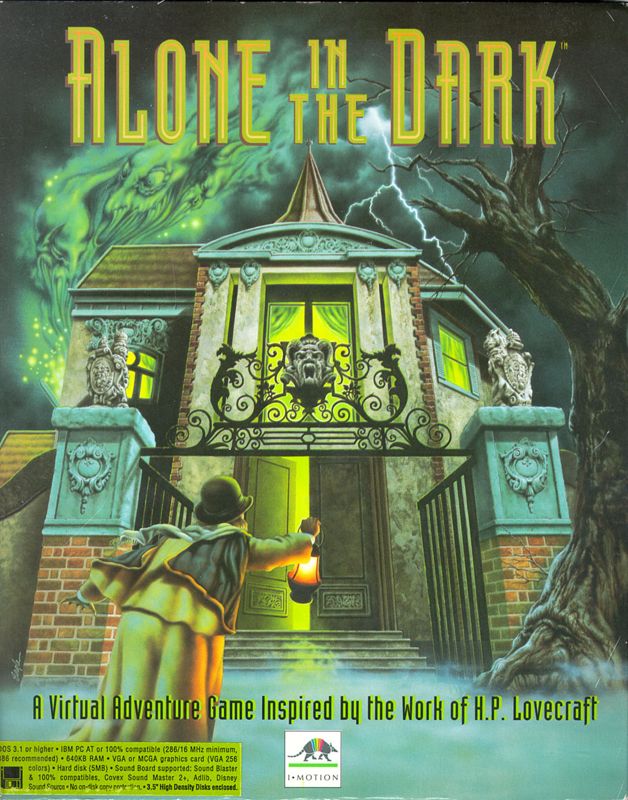
Long before the Spencer Mansion, there was Derceto. In the 1992 Alone in the Dark, Edward Carnby or Emily Hartwood enters a Louisiana house with a grim history and quickly discovers that escape will take more than finding the front door. Books, locked spaces, improvised weapons, and unnatural residents make exploration feel like a series of risky choices.
Its visual approach was a breakthrough. Polygonal characters move through illustrated rooms while fixed camera angles choose what you can see and, just as effectively, what you cannot. The controls and combat can feel severe today, but their awkwardness also leaves the player unusually exposed. A room that looks empty may become dangerous as soon as the perspective shifts.
Alone in the Dark helped establish the visual and mechanical grammar that later survival horror would refine. Derceto still has its own appeal: a pulpy haunted-house mystery where reading the environment and conserving what little you have matter as much as defeating a monster.
Explore the game: Alone in the Dark.
Retro Replay also has the 3DO edition of Alone in the Dark.
#13 — Clock Tower
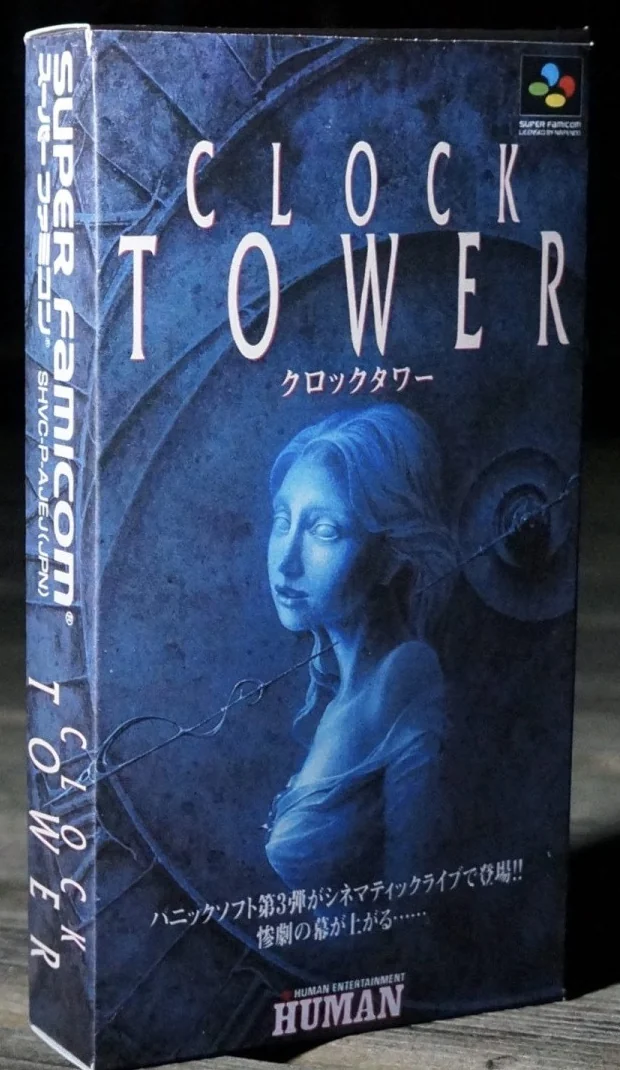
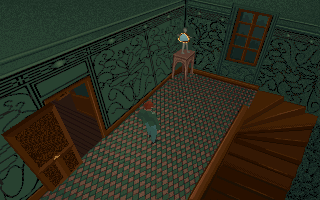
The original 1995 Clock Tower makes a terrifying promise: Jennifer Simpson is vulnerable, and the person hunting her is never far away. Human Entertainment places her in a mansion full of quiet rooms, suspicious objects, and routes that can suddenly become escape paths. Scissorman turns ordinary exploration into a constant question of where you would hide if he appeared now.
There is no arsenal to master. You guide Jennifer through point-and-click puzzles, run when danger erupts, and hope the hiding place you choose buys enough time. Her fear and exhaustion matter, so panic can make an already bad encounter worse. The slow pace between attacks is vital; it teaches you the layout, then makes you dread crossing the same hall again.
This is the Super Famicom original, which also received later ports. Its multiple outcomes and unpredictable pursuit helped define a branch of horror built around helplessness rather than firepower. Clock Tower proves that a pair of scissors and a familiar corridor can be more memorable than a room full of monsters.
Explore the game: Clock Tower.
#12 — System Shock 2
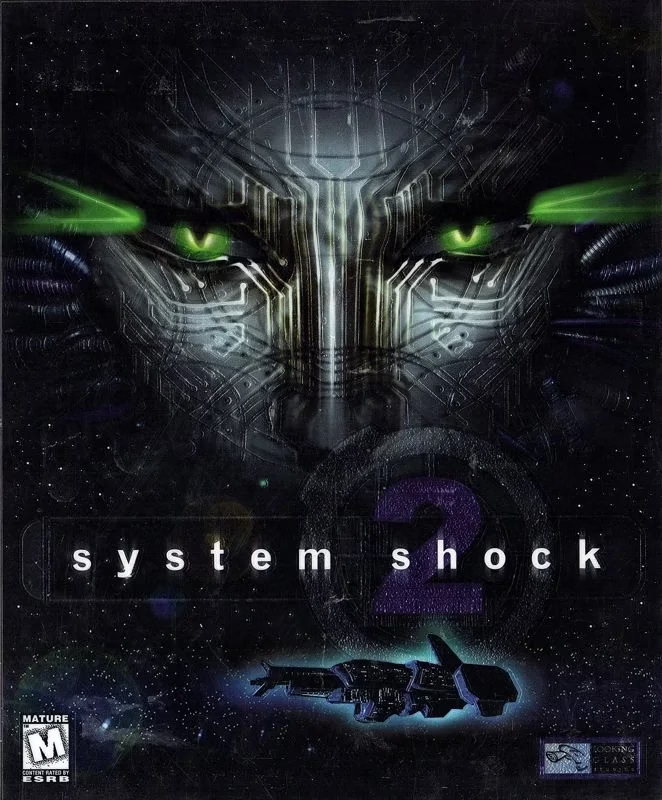
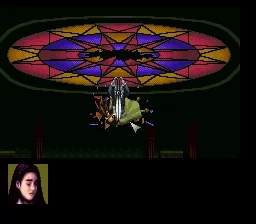
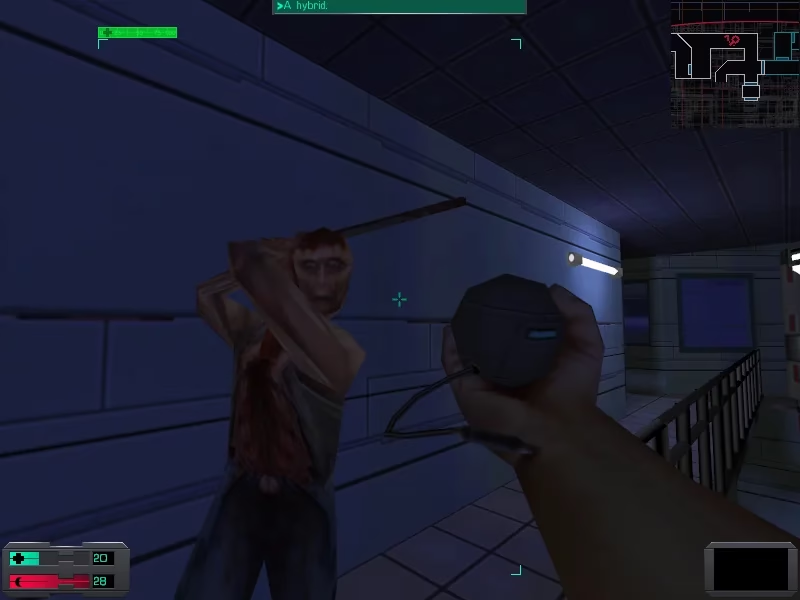
Aboard the Von Braun, every useful room seems to demand a risk. System Shock 2 drops you into a starship that has gone catastrophically wrong, where infected crew members stagger through the corridors and the ship’s systems offer little comfort. You learn what happened by following voices left on audio logs, one frightened fragment at a time.
Its first-person combat makes a wrench, a firearm, or a psychic ability feel like an uncertain answer rather than a guarantee. Ammunition is scarce, weapons can fail, and your character build closes some options while opening others. The most unnerving moments come between fights, when a distant sound makes you stop and calculate whether the next doorway is worth crossing.
Then SHODAN speaks. Her contempt gives the ship a mind, turning a mechanical maze into a hostile conversation. System Shock 2 is frightening because it asks you to think while afraid: manage supplies, trust imperfect information, and keep moving through a place that already seems to know you are there.
Explore the game: System Shock 2.
#11 — Dino Crisis
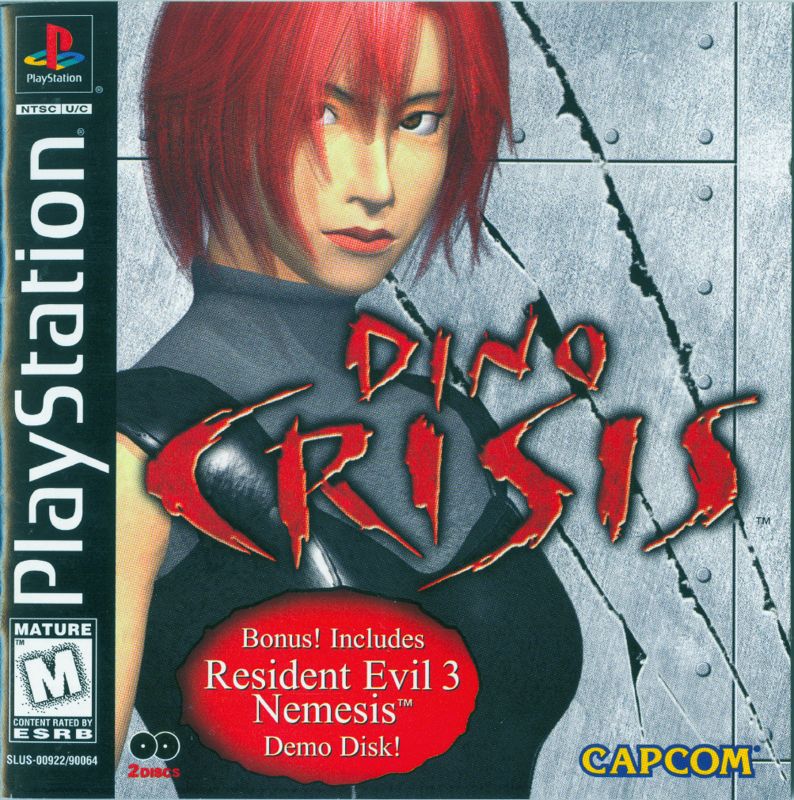
Regina’s mission begins like a covert operation and quickly becomes a hunt. The research facility in Dino Crisis is full of locked passages, strange experiments, and predators that can cross a room before you have settled on a plan. Its dinosaurs bring a different physical threat to the survival horror template: they are fast, large, and hard to keep at a safe distance.
Capcom builds the tension through puzzles and supply decisions as much as attacks. You search offices for codes, weigh whether to spend ammunition, and return through rooms that no longer feel as secure as they did a minute ago. The game’s real-time 3D spaces let the camera move with the action, so a chase can seem to spill out of the frame.
What makes Dino Crisis stick is the contrast between scientific order and animal chaos. The facility was designed to control an experiment; the player spends the night discovering how little control anyone has left. Every heavy footfall makes that gap feel wider.
Explore the game: Dino Crisis.
Retro Replay also has the Dreamcast edition of Dino Crisis.

#10 — Resident Evil 2
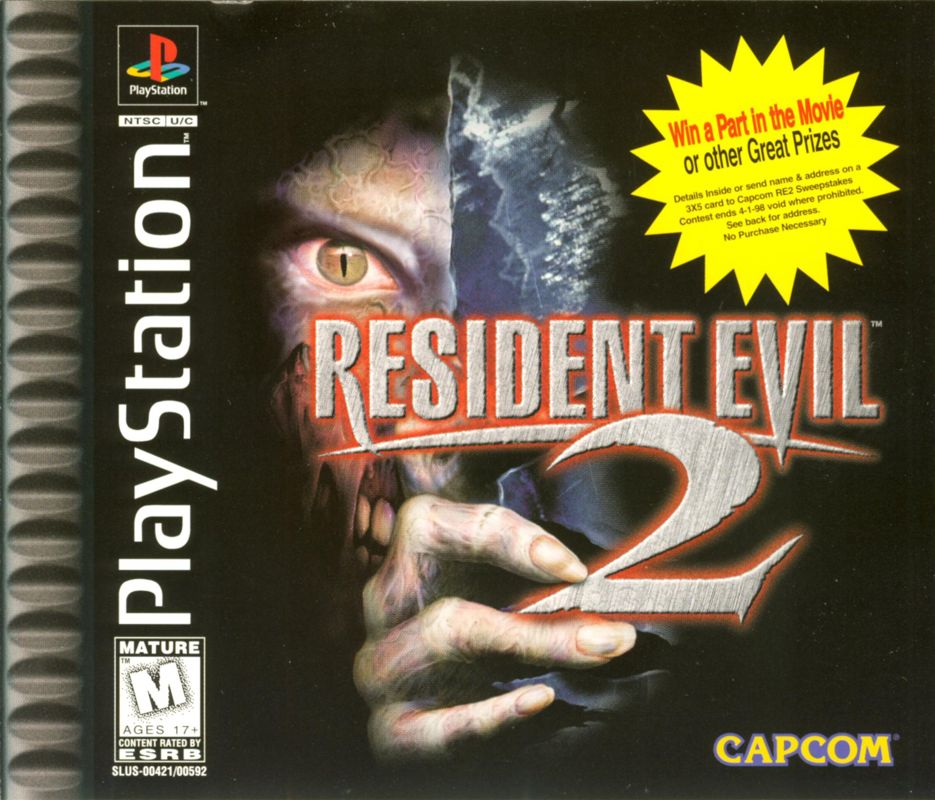
Resident Evil 2 begins with a city already collapsing. Rookie officer Leon S. Kennedy and college student Claire Redfield arrive in Raccoon City and discover that its police station is only the first layer of a much larger disaster. The original PlayStation sequel trades the first game’s isolated mansion for a citywide outbreak without losing its sense of being trapped.
Leon and Claire bring different allies, scenes, and routes through the crisis. The police station’s grand hall, cluttered offices, and hidden passages give the adventure a strong center, while the scenario structure invites a second run to see how another perspective changes events. Ammunition and healing items remain scarce enough to make each detour a decision.
The larger scope delivers monsters and spectacle, but the memorable moments are often smaller: a sound behind a window, a corridor you have to cross again, or a new threat appearing where you had finally felt safe. Resident Evil 2 expanded the series while preserving the anxious rhythm that made the original work.
View the game in the Retro Replay database: Resident Evil 2.

#9 — Eternal Darkness: Sanity’s Requiem
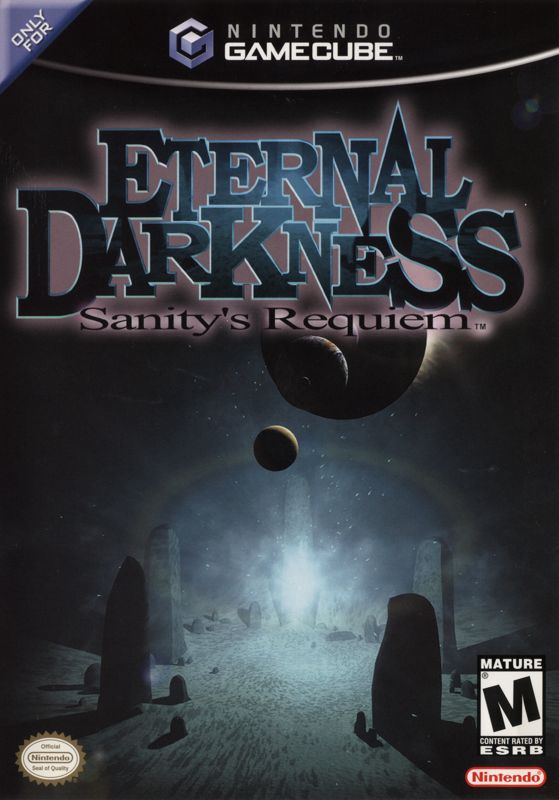
Alexandra Roivas enters her grandfather’s mansion looking for an explanation and finds a story that stretches across centuries. Eternal Darkness shifts between characters and eras, letting one terrible discovery echo through another life much later. The house is the anchor, but the horror keeps growing beyond its walls.
The Sanity System is its best-known trick. As your character’s mind frays, the game can distort what you see and hear, sometimes playing with the conventions of a video game itself. That makes even a quiet room suspect. Is something actually wrong, or has the game persuaded you to doubt your own senses?
There is combat, magic, and puzzle solving here, yet the most lasting fear is uncertainty. Eternal Darkness treats the player’s confidence as another resource to exhaust. Its strange structure makes each new chapter feel like part of a larger nightmare that you only understand after it has already reached you.
View the game in the Retro Replay database: Eternal Darkness: Sanity’s Requiem.
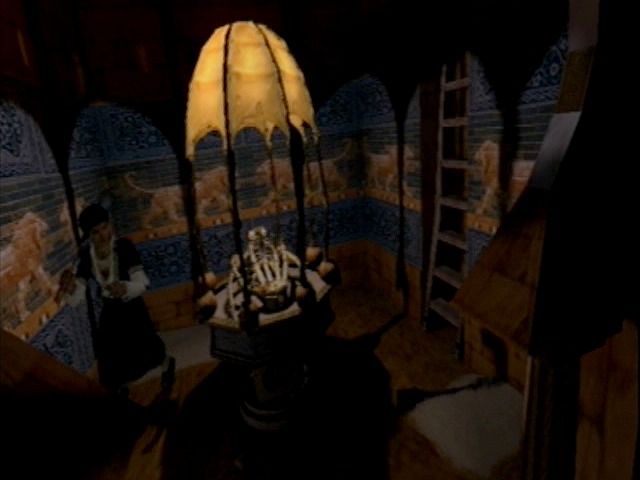
#8 — Resident Evil
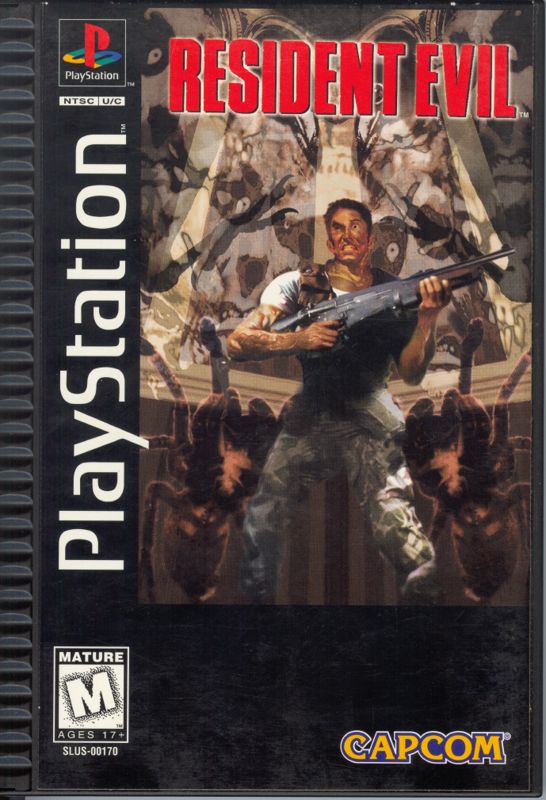
Resident Evil made the Spencer Mansion a maze that players learned one locked door at a time. Chris Redfield or Jill Valentine arrives with a rescue team, only to find zombies, traps, strange experiments, and an ever-growing list of places they are not ready to enter. The infamous live-action opening is gloriously campy; the game beneath it is carefully structured fear.
A few handgun rounds can feel like a fortune. Inventory slots force hard choices, save opportunities ask whether you have made enough progress, and a key found in one wing may send you back across rooms you hoped to leave behind. Fixed cameras and deliberate controls sharpen that tension because familiar spaces never become completely comfortable.
Capcom did not invent every ingredient it used, but Resident Evil combined them into a genre-defining rhythm of exploration, puzzle solving, and resource management. The mansion is the real star: a place that slowly becomes understandable without ever becoming welcoming.
View the game in the Retro Replay database: Resident Evil.
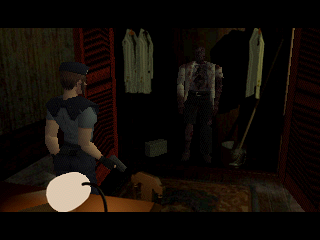
#7 — Haunting Ground
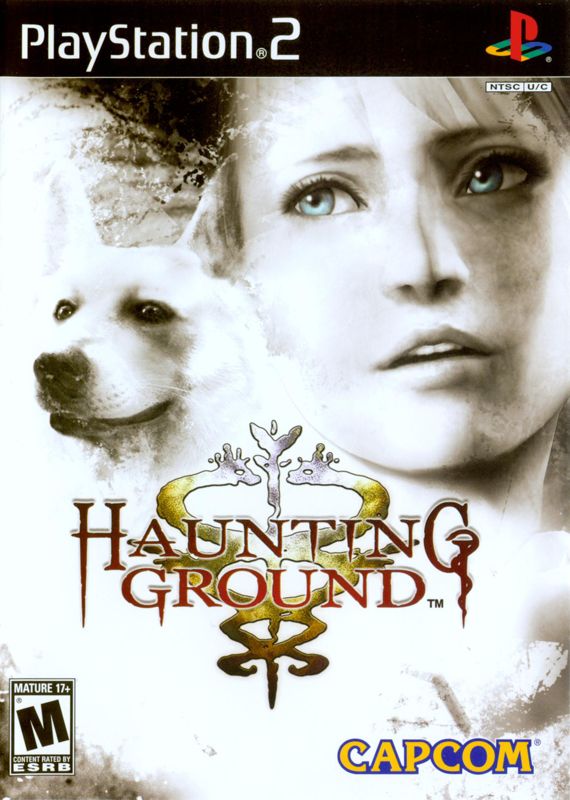
Fiona Belli wakes in a castle with no clear route home and discovers that the people inside see her as prey. Haunting Ground makes flight the first instinct. Its corridors are beautiful, cold, and difficult to read while someone is closing in behind you, so even finding a hiding place becomes a frantic decision.
Hewie, the white dog she befriends, changes that helplessness without removing it. You can call him, ask him to search, or rely on him to hold off a pursuer, but the partnership needs care and trust. Fiona’s panic also matters: when fear takes over, clear navigation becomes harder just when it is most necessary.
The game’s scares come from being watched and pursued rather than from a constant supply of monsters. A room that felt safe during a puzzle can become a trap on the return trip. Hewie gives the ordeal a welcome emotional center, making escape feel like something both characters have to earn together.
View the game in the Retro Replay database: Haunting Ground.
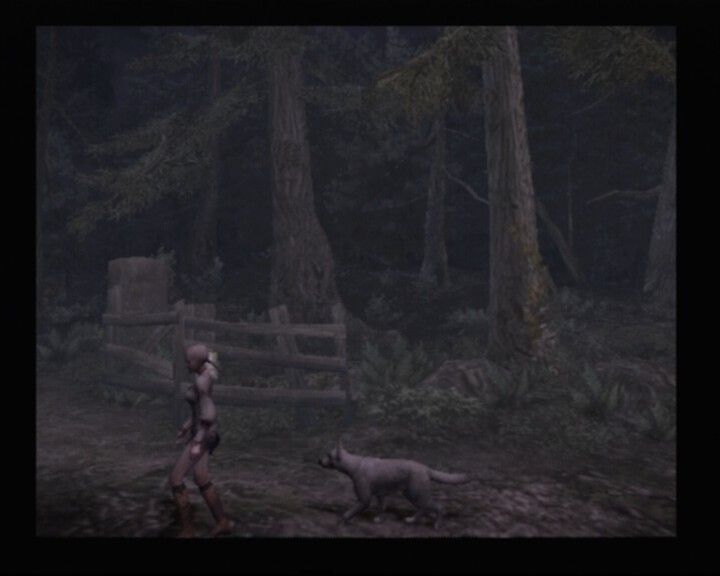
#6 — Siren
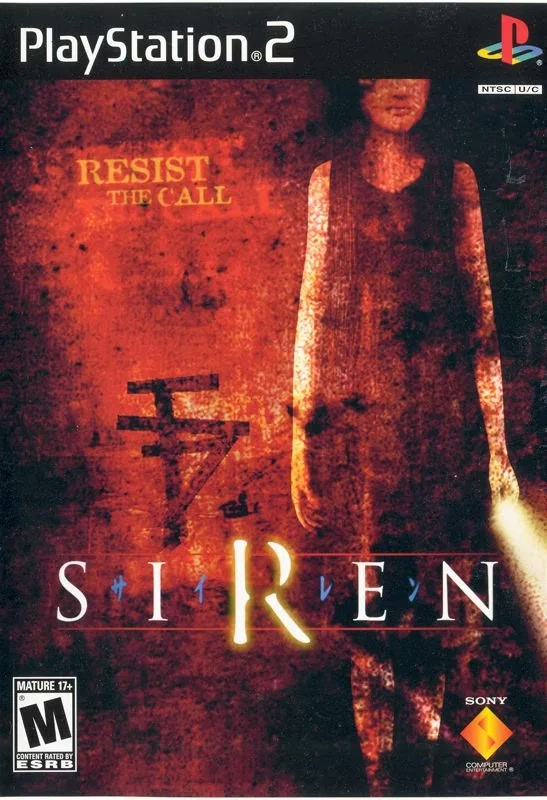
A siren sounds over Hanuda, and the village becomes a place where familiar faces are no longer safe. Siren tells its story through several people whose paths cross over three desperate days. The changing viewpoints make the disaster feel larger than any one character can understand.
Its defining ability, sightjacking, lets you look through another person’s eyes, including an enemy’s. It can reveal a route or show you exactly how close a shibito has come. That information is valuable, but it is also disturbing: the game forces you to see yourself from the hunter’s side of the encounter.
Siren demands patience. Its missions can be cryptic, and surviving often means hiding, observing, and trying a different path after a frightening failure. That severity gives Hanuda its character. The village does not rearrange itself for the player; you have to learn how to live inside its nightmare.
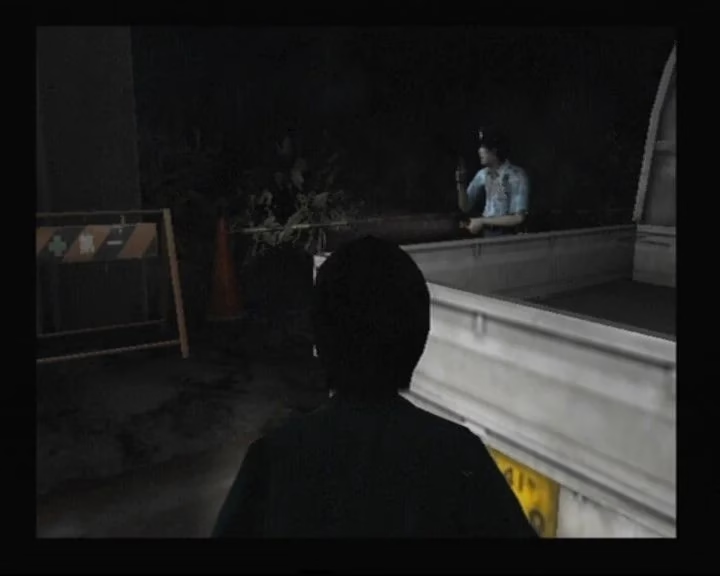
#5 — Silent Hill 3
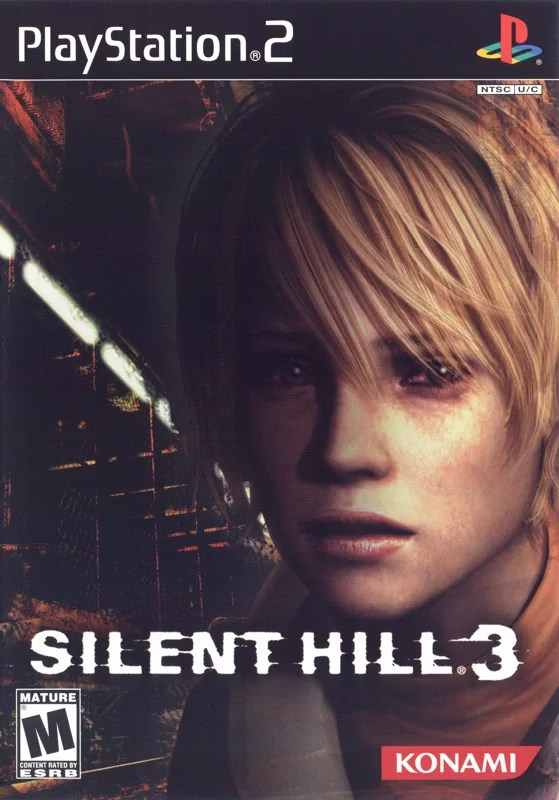
Heather Mason’s ordinary afternoon breaks apart when a shopping mall turns into something rancid and impossible. Silent Hill 3 moves quickly from recognizable spaces to places layered with rust, flesh, and darkness. Heather is sharp and human in the middle of it, which makes every grotesque hallway feel more invasive.
Combat offers little relief. Ammunition matters, close-range fighting is ugly, and the sound of a creature nearby can make a seemingly empty passage unbearable. The game’s detailed art and Akira Yamaoka’s abrasive, mournful soundscape work together: a wall texture, a scrape, or a sudden silence can carry the scare before an enemy appears.
Its story eventually ties Heather’s ordeal to the original Silent Hill, but the immediate terror needs no explanation. Silent Hill 3 is especially good at making the familiar turn hostile. It takes a place you thought you understood and lets it rot in front of you.
View the game in the Retro Replay database: Silent Hill 3.

#4 — Resident Evil Remake
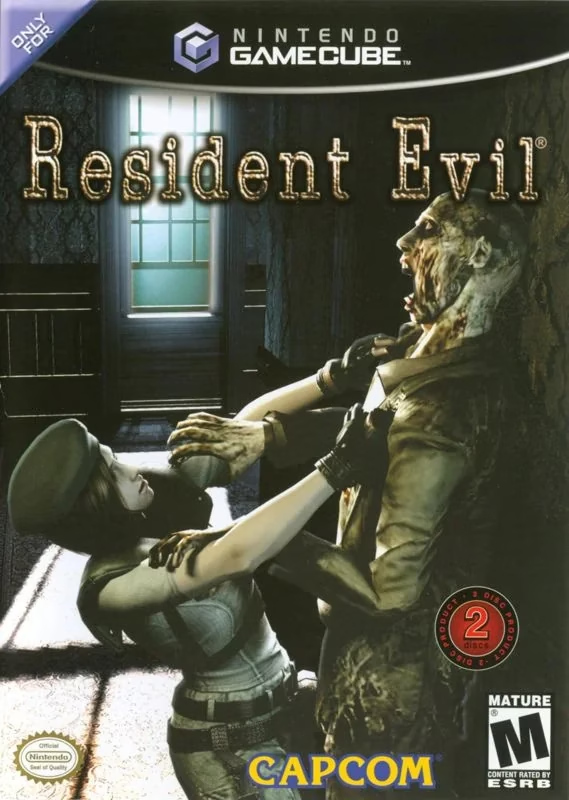
The 2002 GameCube Resident Evil returns to the Spencer Mansion and makes it feel dangerous all over again. Chris Redfield or Jill Valentine explores grand rooms that hide practical problems: a locked door, a missing key, a puzzle with consequences, or a creature waiting just outside the camera’s view.
The remake’s lighting and detailed backgrounds give the mansion a heavy, almost tangible presence. It also changes the rhythm of familiar encounters. A fallen zombie may rise again as a Crimson Head if you have not dealt with it, so a victory can become a future mistake. Lisa Trevor adds another, more tragic kind of threat to the house.
This is more than a visual upgrade. The remake understands that Resident Evil is frightening when players make choices they must live with: which hallway to revisit, which item to carry, which enemy to leave behind. Its beauty draws you deeper into the mansion, then makes you regret how well you can see it.
Explore the game: Resident Evil Remake.
#3 — Silent Hill

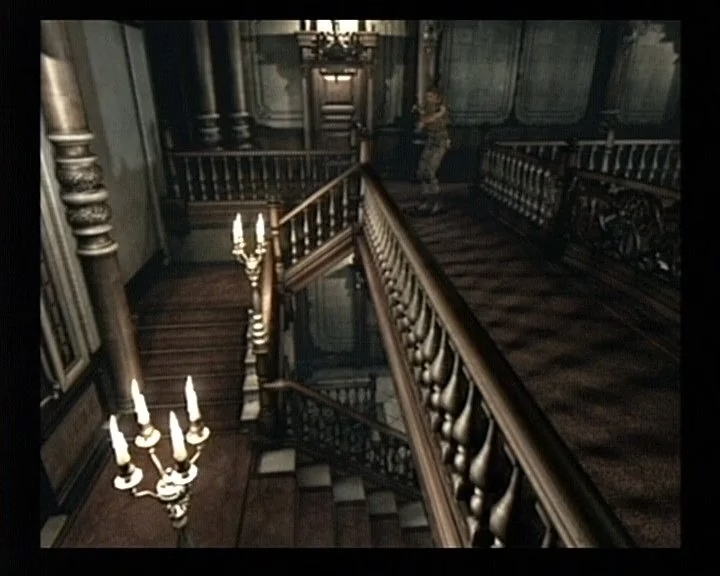
Harry Mason enters Silent Hill looking for his missing daughter, Cheryl, and finds a town that seems to hide more than its streets. Fog obscures the road ahead, a radio crackles before monsters appear, and ordinary places become wrong in ways that are difficult to explain. Konami’s 1999 PlayStation game makes uncertainty its strongest weapon.
Its shifting environments do more than provide frightening scenery. A school, hospital, or alley can become a distorted version of itself, turning navigation into a search for meaning as well as an exit. Harry is an ordinary father, and his limited confidence in a fight keeps the attention on dread, clues, and the unsettling story unfolding around him.
The original hardware’s visual limits became part of the mood: shapes emerge slowly from gray distance, while Akira Yamaoka’s harsh soundscape fills in what you cannot see. Silent Hill does not need to explain every nightmare immediately. It lets the town stay in your mind long after the screen goes dark.
View the game in the Retro Replay database: Silent Hill.
#2 — Fatal Frame II: Crimson Butterfly

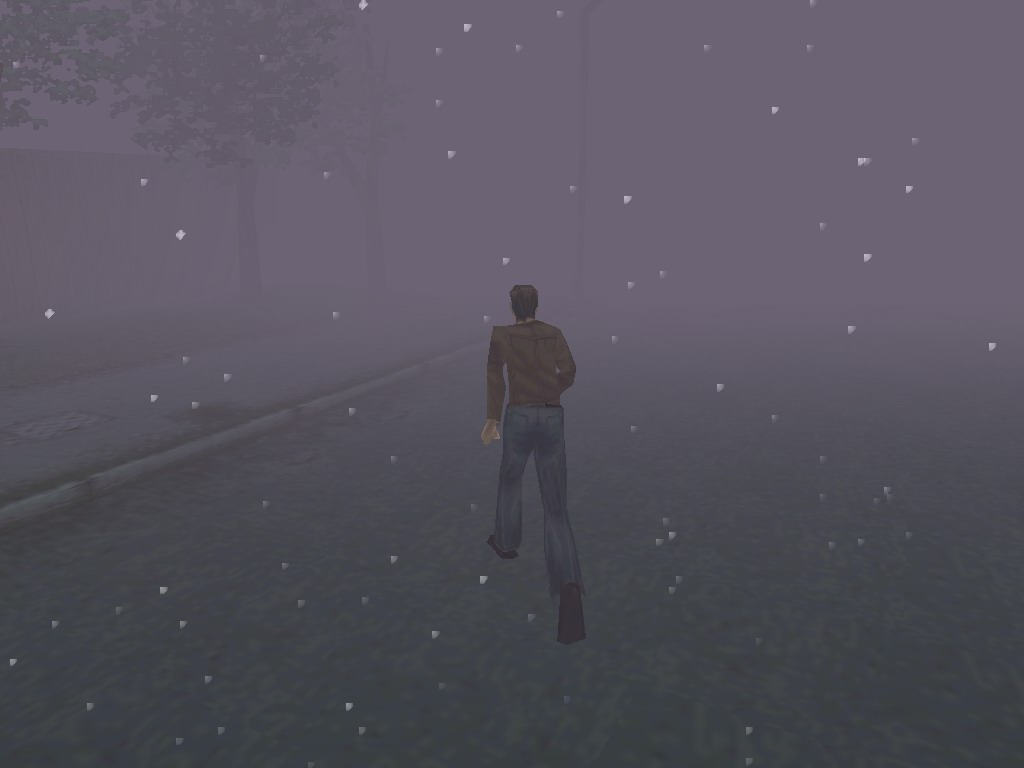
Mio and Mayu follow crimson butterflies into a village that should no longer exist. Fatal Frame II: Crimson Butterfly builds its fear from empty houses, ritual history, and the painful bond between the twin sisters. Its village is beautiful in a ruined, mournful way, which makes every ghostly interruption feel more personal.
The Camera Obscura turns looking directly at danger into the central mechanic. To hurt a spirit, Mio must raise the camera, frame it, and often wait for the instant when it is closest. That means the safest way to win is also the most frightening. A dark room becomes a test of how long you can hold your nerve while something moves toward the lens.
The story’s sorrow gives the scares lasting power. Fatal Frame II understands that a haunting can be both a threat and a record of something terrible that happened to people. Its blend of intimacy, ritual, and risky camera combat makes it one of the era’s most distinctive horror games.
View the game in the Retro Replay database: Fatal Frame II: Crimson Butterfly.
#1 — Silent Hill 2

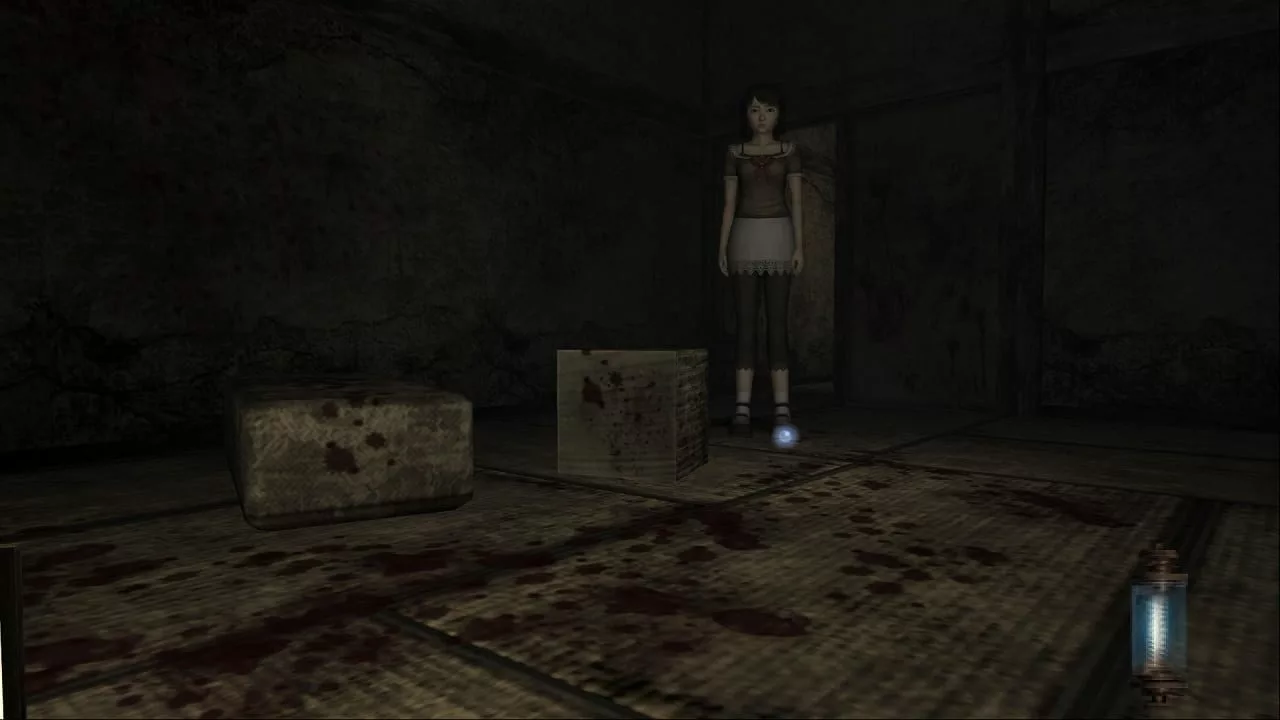
James Sunderland receives a letter from Mary, the wife he knows is dead, and drives to Silent Hill to find her. That impossible invitation is enough to make every foggy street feel suspect. The 2001 sequel tells a more inward story than its predecessor, letting encounters with other lost people and disturbing creatures reveal pieces of James’s own pain.
Silent Hill 2’s monsters and spaces feel connected to emotion rather than merely to danger. Pyramid Head is an unforgettable presence, but the quieter scenes often cut deeper: a conversation that does not quite make sense, a room that feels too empty, or a memory James would rather avoid. Akira Yamaoka’s music moves between tenderness and industrial unease.
The game endures because its horror has a reason to exist beyond the next scare. Grief, guilt, denial, and longing shape the journey, while different endings leave room for interpretation. Silent Hill 2 showed that a horror game could be psychologically complex and still make the simple act of opening a door feel dreadful.
View the game in the Retro Replay database: Silent Hill 2.

What still scares you?
Some games here rely on a monster at the end of a hallway; others make the hallway itself feel wrong. Tell us which retro game you would add to this list. If you want to revisit the classics, browse Retro Replay’s emulation section as well.