 Retro Replay Retro Gaming History, Reviews & Emulation
Retro Replay Review
Gameplay
The first few turns of Operation Whirlwind teach a hard lesson: open ground is only open until somebody shoots at you. You have 35 turns to take a city 15 kilometers away, but the game does not let you simply point tanks forward and grind out a win. Enemy units remain invisible until they fire, minefields reveal themselves when you hit them, and moving units cannot fire. That combination gives even a basic advance real weight.
The five-phase turn cycle is where the game earns its tension. You set dispositions, move across the grid, endure combat, issue assault orders, then watch the final assault develop through the fog of war. Planning a head-on attack or a fast armored flank is satisfying because you have to preserve ammunition and consider what might be waiting beyond your sightline. When a previously unseen enemy formation turns a carefully arranged assault into chaos, it is frustrating in exactly the way a tactical wargame ought to be: the setback makes you rethink your line rather than merely reload and repeat.
Engineers, bridges, reconnaissance, artillery, infantry, and tanks give the force enough variety to reward combined thinking. Rivers cannot simply be ignored, dug-in troops are useful for holding ground, and recon matters because information is as valuable as firepower. The controls and grid movement are plainly built around a deliberate pace, so this will not win over anyone wanting immediate action. If you enjoy studying a battlefield, making a cautious commitment, and living with its consequences, the structure starts to click.
Graphics
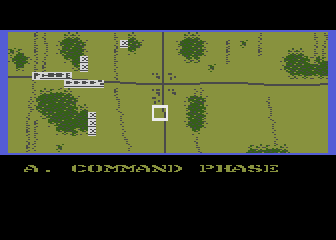
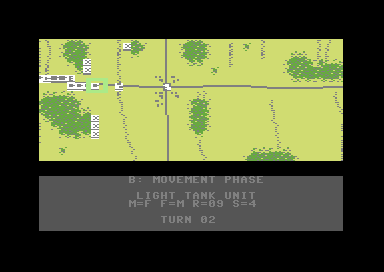
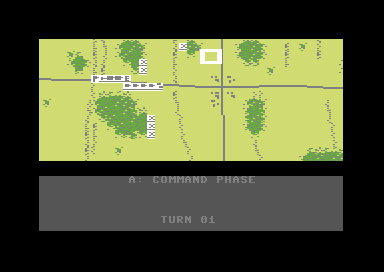
Operation Whirlwind uses a top-down battle grid spread across three screens, with movement restricted to vertical and horizontal routes. That straightforward battlefield view suits a game about judging distance, crossings, and unit placement, even if its function-first look is unlikely to stir much excitement on its own.
Story
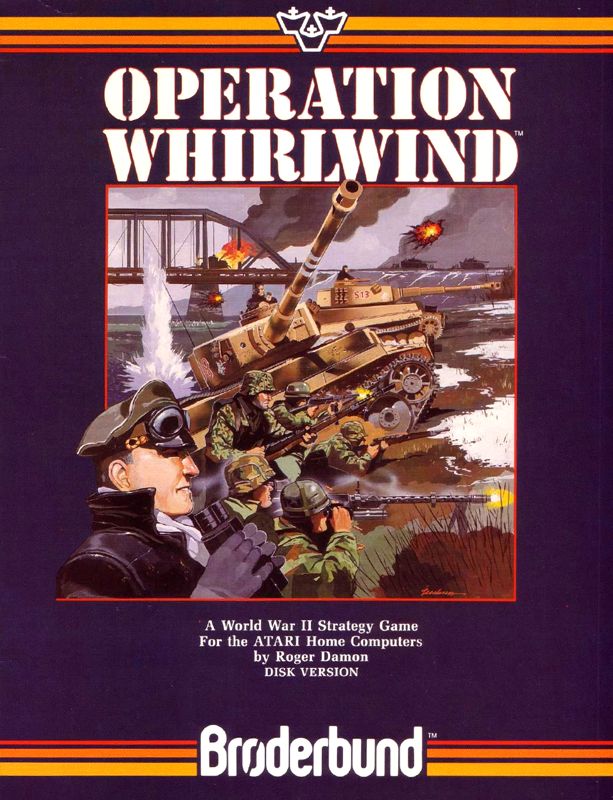
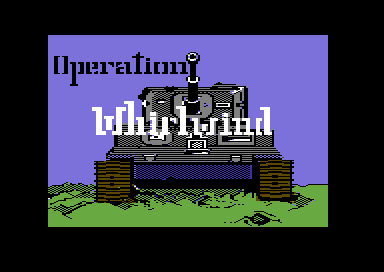
This is a military objective rather than a character-driven World War II tale: as the battalion commander of an armored task force, you are ordered to seize a defended city before time runs out. The lack of a broader dramatic thread keeps attention on the operation itself.
That narrow framing works because the game creates its own narrative through uncertainty. A route that seemed safe can become a minefield, an advance can draw hidden fire, and a bridge crossing can turn into the hinge on which the whole offensive swings. Your battlefield decisions supply the drama.
The end-of-turn assessment also gives the campaign a useful sense of consequence. You are not simply chasing a binary win; the operation can end in outcomes ranging from total victory through stalemate to abject defeat. That spectrum fits a game where territory, tempo, and losses all matter.
Overall Experience
Operation Whirlwind is a stern, thoughtful tactical game that asks you to respect limited information. Its best moments come when you turn a loose plan into a coordinated push, only to discover that the enemy has a vote. The game’s rules make that uncertainty central rather than incidental.
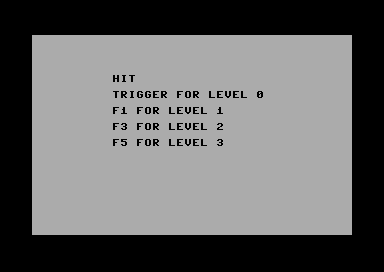
Four escalating engagement levels give you room to learn the system before taking on a tougher fight, while the ability to save or delete the prior turn’s action offers a little breathing room after a disastrous result. Still, the main satisfaction comes from improving your judgment, not from being protected from mistakes. Impatient gamers may find the phased pace and hidden threats punishing.
Give it a chance if you want a compact World War II command problem with real tactical friction. It does not flatter reckless play, but it rewards patience, scouting, careful use of engineers, and an ability to adapt when an assault goes wrong. For a gamer who likes turning uncertainty into a workable plan, the payoff is worth the strain.


Reviews
There are no reviews yet.