 Retro Replay Retro Replay gaming reviews, news, emulation, geek stuff and more!

Retro Replay Review
Gameplay
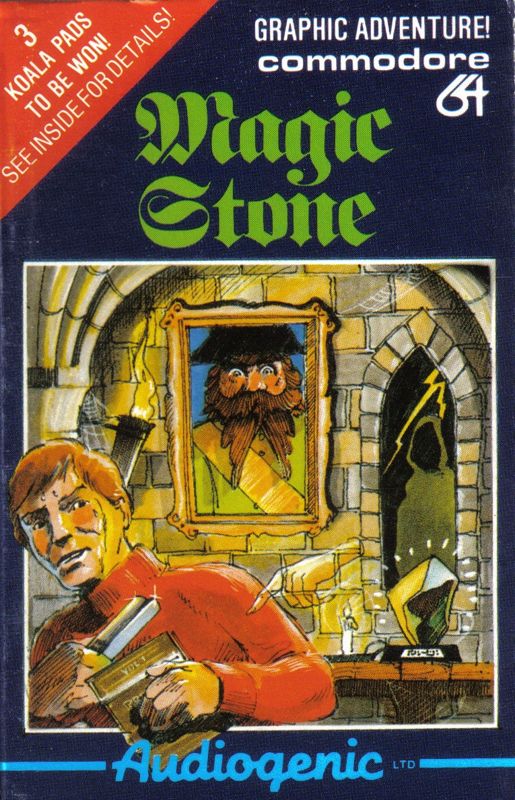
The first pull is clear: enter a haunted mansion, follow an amulet that reacts to black magic, and hunt down an object that can turn lead into gold. Magic Stone understands that a good text adventure needs a reason to make you test every corner of its setting. The amulet is especially useful as a piece of dramatic direction. It gives your exploration a purpose beyond blindly searching for the next object or passage.
The stronger idea is that simply locating the Magic Stone does not finish the job. You also need to learn where and how to use it, with that knowledge hidden in Graf Von Schwarzherzen’s notebook. That turns the game from a straightforward treasure hunt into a mystery with an intended chain of understanding. When that structure clicks, you are not just collecting a prize; you are trying to decode the logic behind it.
Its demands are those of an early single-player interactive fiction game: patience, curiosity, and a willingness to sit with a problem until the setting’s clues begin to point somewhere useful. The mansion is the whole draw, so enjoyment depends on whether you like lingering over a gothic puzzle rather than charging toward a finish. Give it a chance if the satisfaction of uncovering a secret matters more to you than speed.
Graphics
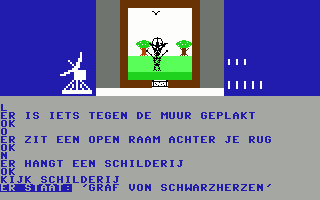
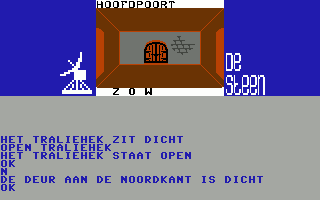
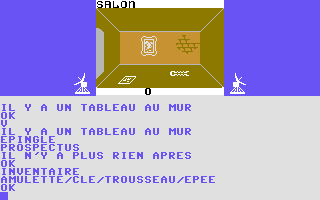
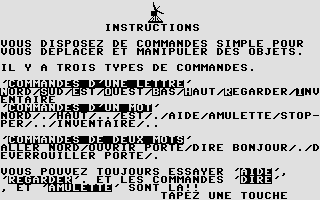
Magic Stone’s most memorable visual idea is the colour-changing amulet, a simple supernatural indicator tied directly to your search for black magic. The rest of the mansion’s menace rests on the images the text puts in your head: Transylvanian wastelands, a haunted nobleman’s home, and a grim notebook with a deliberately gruesome reputation.
Story
The story starts from classic gothic pulp, but it picks the right ingredients. Graf Von Schwarzherzen’s isolated mansion, its haunted reputation, and the rumor of alchemical wealth make for an immediately inviting place to investigate. You know why you have come, yet the house still has room to withhold its real answers.
The Magic Stone itself gives the mystery weight. A device that turns lead into gold could have been a plain fantasy reward, but the game makes its use an unanswered question. That detail adds intrigue: possession is not mastery, and the notebook becomes more than a macabre collectible.
The human-skin-bound book is bluntly lurid, though it fits the game’s old-fashioned Transylvanian horror tone. It tells you early that this is not subtle domestic ghost fiction. Magic Stone goes for curses, forbidden knowledge, and occult danger, and that focused mood is more compelling than a larger but less committed premise would be.
Overall Experience
Magic Stone earns its interest through a tight knot of goals: explore the mansion, watch for signs of black magic, find the stone, then discover how to make it matter. That is a stronger foundation than a generic “escape the haunted house” setup, because the final objective remains uncertain even after you have identified the treasure.
There is an appropriately chilly pleasure in being asked to investigate a place that practically advertises its bad history. The game’s best quality is how its central objects reinforce one another: the amulet points toward danger, the stone promises reward, and the notebook promises explanation. Each gives the search another reason to continue.
Recommended for Commodore 64 adventure fans who enjoy gothic interactive fiction and do not mind a game asking them to work through its mysteries at their own pace. Magic Stone is a modest, focused haunted-mansion puzzle, but its alchemy-and-black-magic hook gives it more personality than the average treasure chase.



Reviews
There are no reviews yet.