 Retro Replay Retro Gaming History, Reviews & Emulation
Retro Replay Review
Gameplay
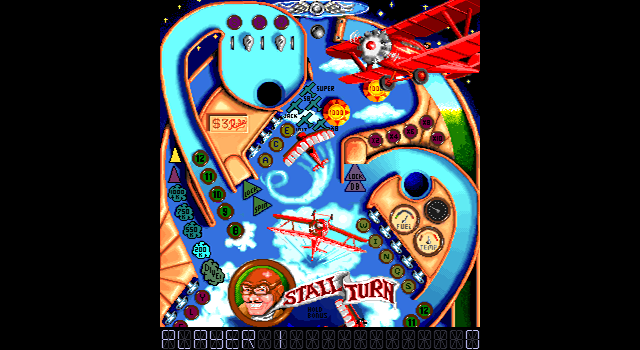
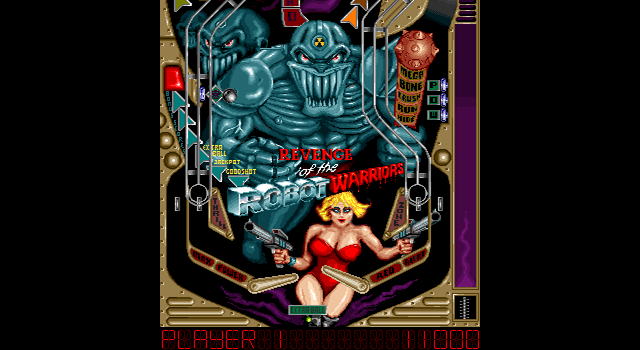
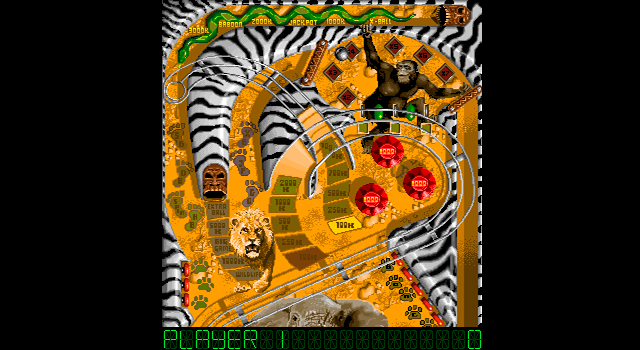
The first few balls are about getting your bearings, then the familiar pinball itch takes over: one more attempt, one cleaner shot, one better score. With eight tables to rotate through, this collection has enough range to stop a bad run on one table from feeling like the whole game has gone cold. Ignition, Steel Wheel, Beat Box, and Nightmare bring over the original quartet, while Neptune, Safari, Revenge of the Robot Warriors, and Stall Turn expand the lineup with the sequel’s four tables.
That breadth is the real reason to play it. Pinball lives or dies on whether you want to learn a table rather than merely sample it, and eight options give you room to find favorites and return to the ones that fit your rhythm. You can spend time with a single board until its angles become familiar, or bounce between them when you want a fresh scoring chase.
The enhanced view matters more than it may sound. Seeing almost two-thirds of a table on screen means you spend less time dealing with scrolling and more time tracking where the ball is headed. That makes the action easier to follow when a run gets busy, though it does not make pinball forgiving; missed shots and lost balls will still sting precisely because you know you could have played them better.
This is a strong fit if your idea of a good arcade session is repeated improvement rather than a finish line. The payoff is not a grand ending. It is the moment a table that initially felt unruly starts making sense, and the score you thought was out of reach suddenly looks beatable.
Graphics
The DOS high-resolution mode runs at 640×350 and shows nearly two-thirds of each table at once. On a game built around following a moving ball, that larger playfield view is a meaningful upgrade over heavier scrolling.
Each table also gets a pre-rendered 3D cinematic before play. It is a nice bit of ceremony that gives the collection a more polished start than dropping straight into the board.
Story
There is no conventional story pulling you from table to table. This is score-driven pinball, and it is better for you to treat each board as its own arcade challenge than wait for a campaign to develop.
The table names provide the only light thematic framing: Nightmare sits beside Beat Box, while the sequel adds names such as Neptune and Revenge of the Robot Warriors. They give the eight-board selection some personality without turning it into a narrative game.
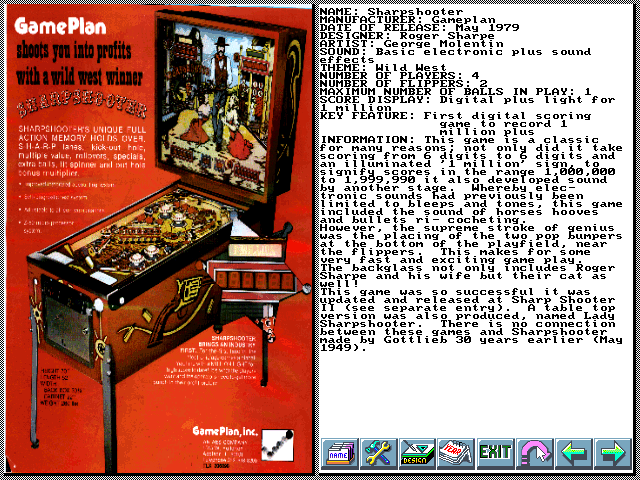
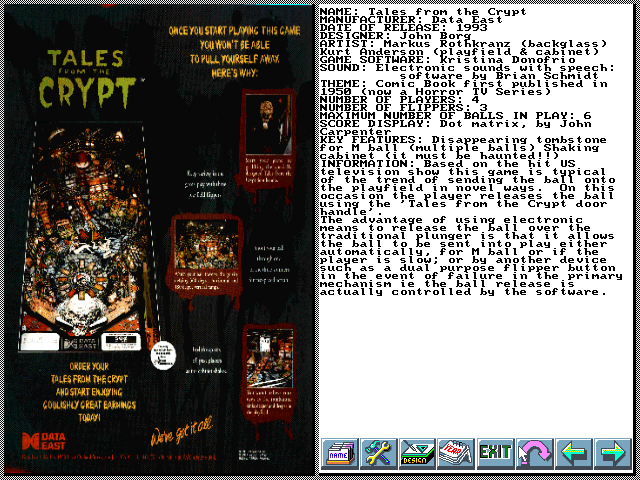
The extra historical material is the closest thing to context beyond the tables themselves. “History of the Pinball” traces the game’s evolution from the 1960s through 1993 across roughly 50 tables from major manufacturers, making it a worthwhile detour when you want more than another score run.
Overall Experience
This is the sort of collection that gets better once you stop judging it after a handful of random balls. Give each table enough time to learn its flow, and the eight-table lineup starts to feel like a generous pool of score challenges rather than a simple bundle.
Its most important enhancement is also its most useful one: reduced scrolling keeps more of the board in view, which makes play feel less interrupted and helps you read the action. The pre-rendered introductions and pinball history add welcome extras, but the tables remain the reason to stay.
Come here for focused arcade pinball, not story progression or a finite adventure. If you enjoy the stubborn satisfaction of replaying a board until your control improves, the mix of four Pinball Dreams tables and four Pinball Dreams II tables offers plenty to work through. It is an old-school package, but a thoughtfully enhanced one whose practical screen upgrade still improves the moment-to-moment game.


Reviews
There are no reviews yet.