 Retro Replay Retro Gaming History, Reviews & Emulation

Retro Replay Review
Gameplay
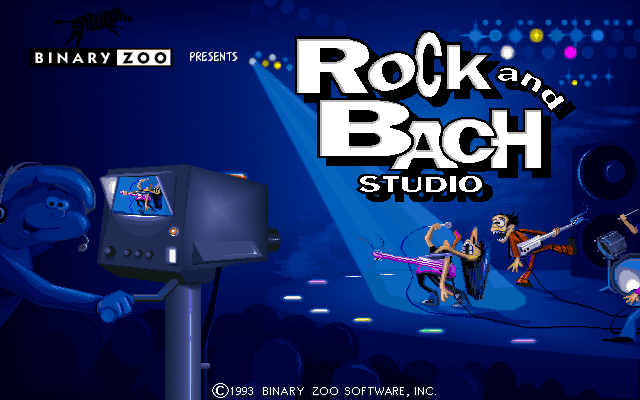
The first hour has a real toy-box pull. Rock and Bach Studio asks you to create a four-member rock group—solo, bass, drums, and chord—then choose a song or build one from riffs and chords. That is a smart route into music education because you begin by making decisions rather than being handed a lecture. Even before the video comes together, trying out guitar riffs, keys, and chords gives you something concrete to do with the musical material.
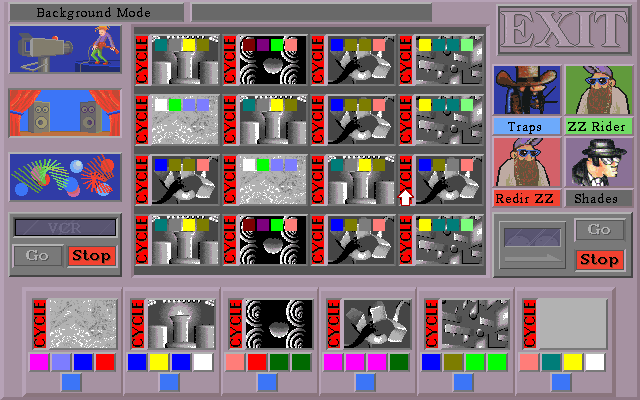
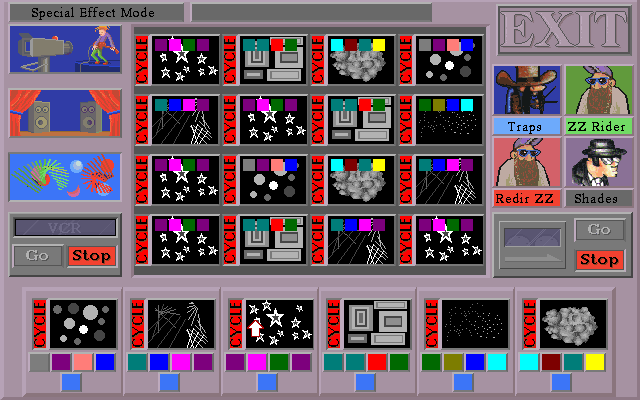
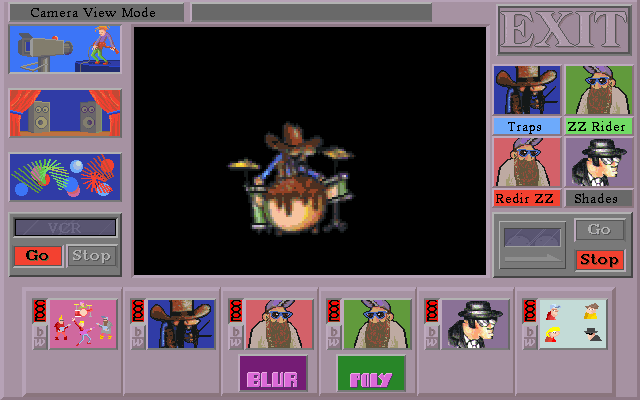
The central project is a 16-cycle music video. For each cycle, you can customize camera views, backgrounds, and special effects, turning a chosen or composed song into a sequence of little production choices. The process is more deliberate than spontaneous: you are arranging parts of a fixed framework, not simply pressing play and watching an animation. If you enjoy tweaking a result until it feels right, that repetition is the point. If you want a fast rhythm game, it may feel like work before the payoff arrives.
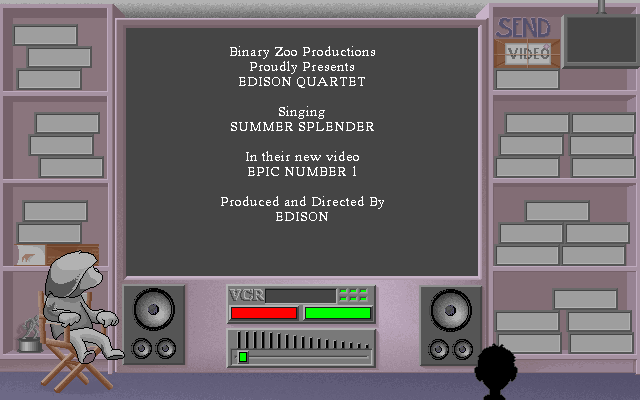
There is welcome depth around the studio itself. You can alter the appearance and sound of the drum setup, adjust scene looks for the band, and change sound effects. Completed clips can be watched in the studio theater, and profiles keep separate sessions and saved progress. The ability to send a finished clip to another profile is a particularly nice excuse to treat the result as something made for someone else rather than a disposable exercise.
The educational material is woven into the making process instead of sitting entirely off to the side. You can examine and play riffs, keys, and chords; learn about instruments, their histories, and their place in the symphonic orchestra; and perform works by eight famous composers using four instruments. That mix is eccentric—classical-composer study filtered through a rock-video studio—but it is more likely to stick with you than a dry reference program.
Graphics
The game’s visuals center on the band, the studio scene, and the video choices you make for each cycle. Changing the band’s setting, camera view, and special effects gives your finished clip a visible sense of authorship, while Edison’s adjustable look adds a small personal touch to each profile.
Story
There is only a light story frame: Edison accompanies you through a studio that produces musical video clips. That is enough. The game does not need a sweeping plot when its real purpose is to make you feel like the person behind a production.
What matters is the journey from assembling a band to selecting or creating music and finally watching the clip in the theater. It gives the lessons a beginning, middle, and endpoint. You are not merely told that composers and instruments matter; you use musical pieces as raw material for a project.
The four pre-made clips from Edison also help establish the destination. They act as examples of what a completed production can look like, which is useful when the number of choices starts to make the blank studio feel intimidating. The narrative wrapper is thin, but it is well chosen for an educational game built around experimentation.
Overall Experience
Rock and Bach Studio is an imaginative educational game that earns its odd title. Its best trick is making classical music, band construction, and video direction part of the same activity. The link is not subtle, but it gives you a reason to revisit musical ideas: a riff, a chord, an instrument choice, or a composer piece can change the project you are trying to finish.
Patience is required. The 16-cycle structure and many adjustment options mean the reward comes from gradual assembly, not instant excitement. But that also makes the finished clip feel more personal than the output of a simple music lesson. Give it a chance if you enjoy experimenting with sound and visuals, or if you want a child’s music program that values making things as much as memorizing facts.
For a gamer who wants reflex challenges or a deep simulation of performance, this is not the right stop. For someone willing to tinker, it offers a memorable creative loop: learn a little, change a little, then watch what your choices turned into. That payoff is modest but genuine, and the composer material gives the studio play a useful educational backbone.


Reviews
There are no reviews yet.