 Retro Replay Retro Gaming History, Reviews & Emulation


Retro Replay Review
Gameplay
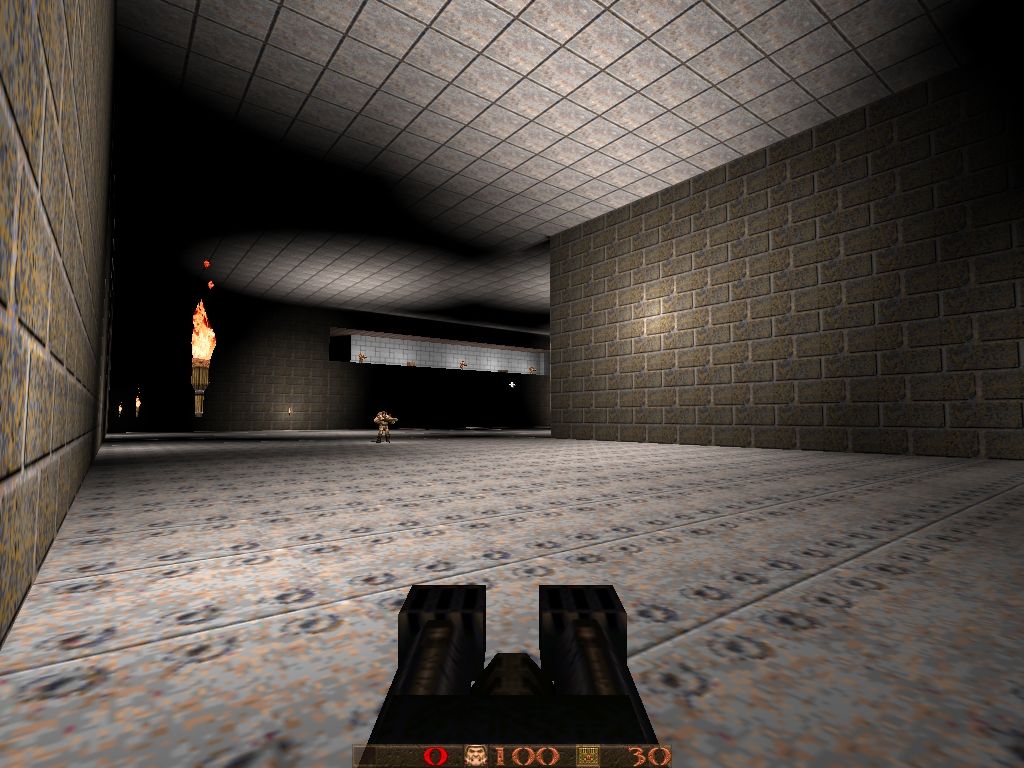
The immediate pull is sheer abundance. Pick a map, launch Quake through Tremor’s front-end, and you have another excuse to revisit its fast, hostile first-person action. A compilation this large has a real treasure-hunt quality: one session can be a solo map, the next a deathmatch space, and the package includes a substantial number of maps made exclusively for Tremor.
That freedom is also where frustration sets in. Tremor is not built around the rising momentum of a three-episode campaign like Aftershock; it is a collection of individual stops. You have to bring your own curiosity and patience, because the reward comes from sampling widely and finding the maps that suit you, not from being carried forward by a unified sequence.
The 100-plus QuakeC patches broaden the box further, and the launcher is a welcome bit of practicality when selecting add-ons. Still, the word that hangs over Tremor is uneven. Net-collected material inevitably feels more like a grab bag than a single designer’s statement. For a Quake veteran in 1997, that breadth is a strong argument to spend time with it. For anyone hoping for one polished, dependable adventure, it is a poor substitute for an actual expansion campaign.

Graphics
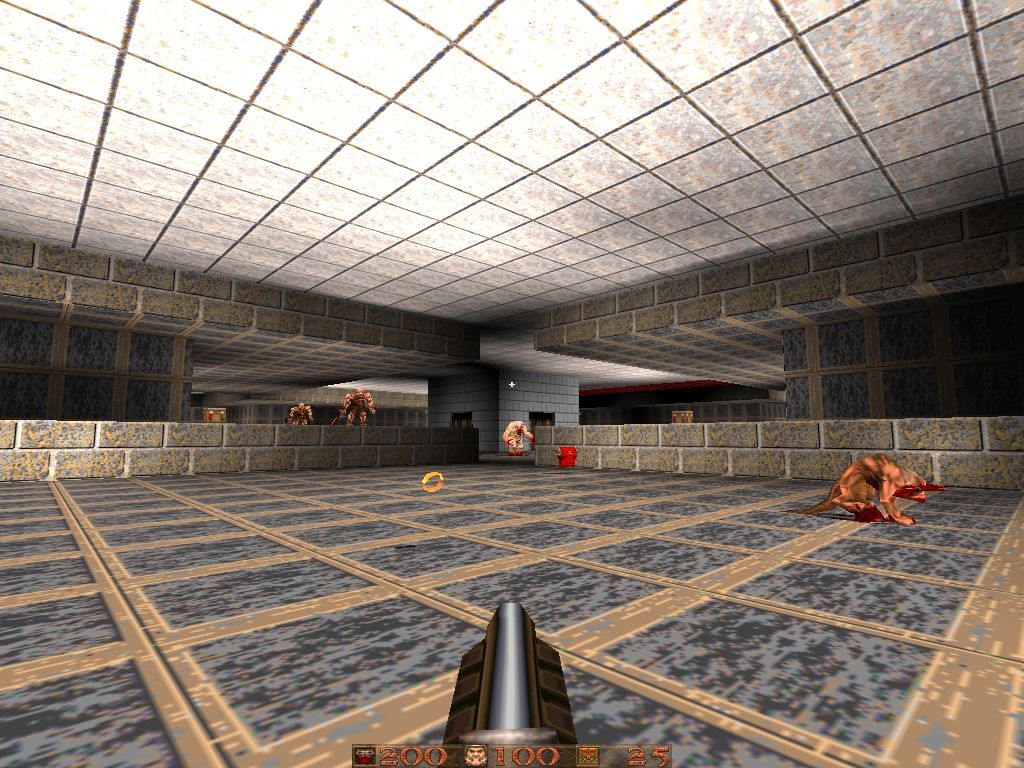
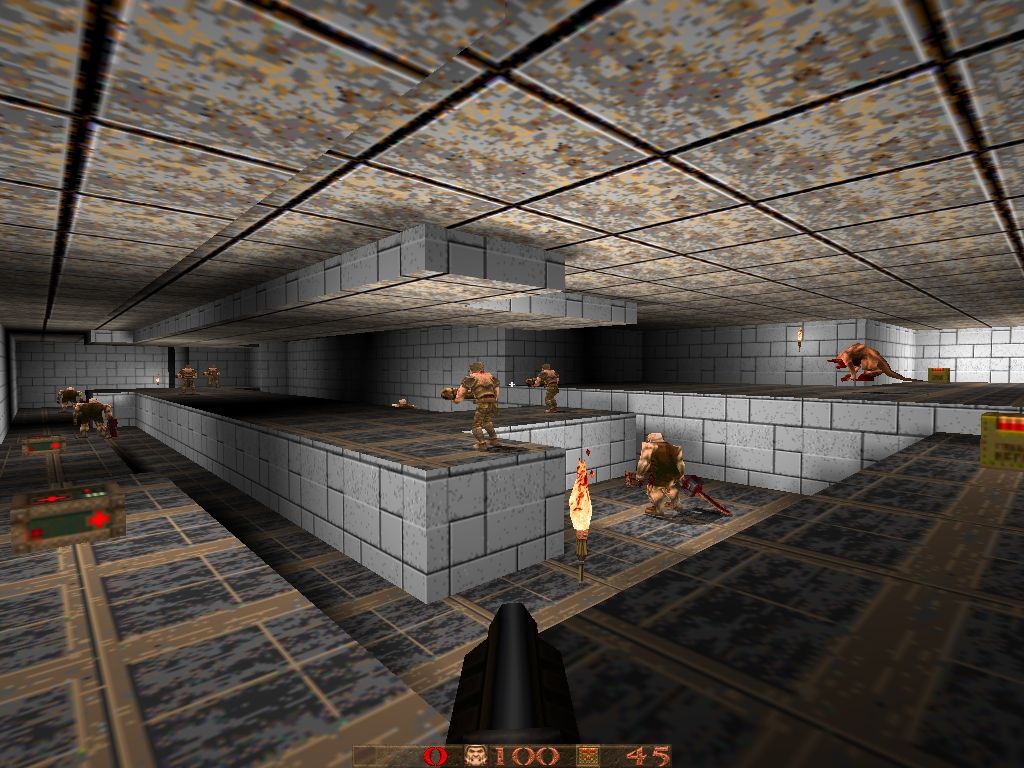
Tremor’s maps use replacement textures rather than Quake’s standard texture set. That gives the collection a noticeably altered look from map to map, but it also underlines its collage nature: you are moving through material assembled from many creators, not one visually consistent new campaign.
Story
There is no central Tremor campaign to pull you through a beginning, middle, and end. The package is made up of separate single-player and deathmatch maps, so any sense of narrative comes from the individual level you happen to load.
That makes the title a very different proposition from Aftershock. Rather than promising an authored follow-up with episodes and progression, Tremor treats Quake as a platform for a massive community library. It is honest about what it is, but it cannot create the momentum that comes from a designed story arc.
If you play Quake mainly for atmosphere and a reason to press on into the next chapter, Tremor will probably leave you cold between maps. If story has always been secondary to discovering a clever arena or a fresh level layout, the lack of a throughline is easier to forgive.
Overall Experience
Tremor is valuable because it puts an enormous amount of Quake material in one place. In an era when finding and configuring add-ons could be a project of its own, a simple launcher and a library of hundreds of maps made the package feel like a deep well rather than a single short expansion.
Its weakness is the same as its strength: 500-plus maps are not automatically 500-plus reasons to stay engaged. You will get more out of Tremor if you are happy to browse, experiment, and abandon a map that does not grab you. Treat it like a shelf full of Quake curiosities, not a campaign you are meant to finish cleanly from front to back.
For committed Quake fans, especially deathmatch and custom-map devotees, the payoff is the chance to uncover a lot of material in one purchase, including package-exclusive work. Everyone else should favor a more focused expansion. Tremor is a generous, messy archive whose best moments have to be found rather than delivered.

Reviews
There are no reviews yet.