 Retro Replay Retro Replay gaming reviews, news, emulation, geek stuff and more!

Retro Replay Review
Gameplay
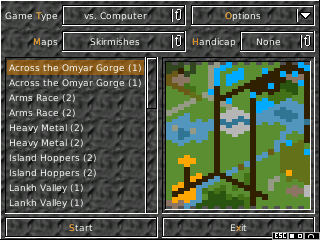
Crimson Fields starts with a clean, old-school tactical proposition: two sides take turns moving units across hexagonal terrain, fighting for buildings and resources until one force has beaten the other. There is no need to wrestle with a complicated premise before the strategy begins. You read the map, decide where your limited attention matters most, and try not to leave an opening that turns into a lost position a few turns later.
The pull comes from how naturally the battlefield asks you to weigh competing needs. Pushing toward enemy territory may help you seize a useful building, but securing resources and protecting your own ground matters too. Since the opposition can be either another human or the computer, the game works as both a patient solo puzzle and a more tense, competitive back-and-forth. The tutorial is especially welcome here; it gives newcomers a route into a format that can look austere at first glance.
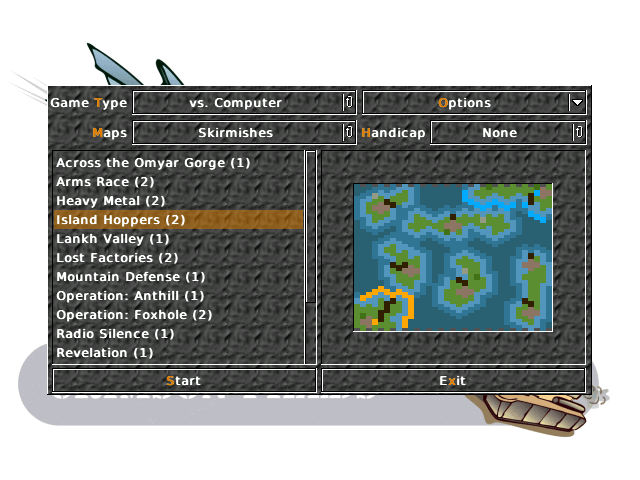
Its close debt to Battle Isle is a strength if you like classic turn-based tactics. The ruleset is built around careful positioning rather than constant action, so the best moments come when a modest move pays off several turns later. The flip side is that you need to enjoy that pace. If you want fast matches or immediate fireworks, the deliberate turns and map-by-map objectives can feel dry. If you like planning, though, the included campaign and individual maps offer a strong foundation.
The editor and level-conversion option push Crimson Fields beyond a one-and-done campaign game. Being able to create maps and campaigns, or bring in levels from Battle Isle, its expansions, and Historyline: 1914-1918, gives committed strategy fans a reason to keep returning. Multiplayer and network options further suit a game built around taking turns and second-guessing another mind.
Graphics
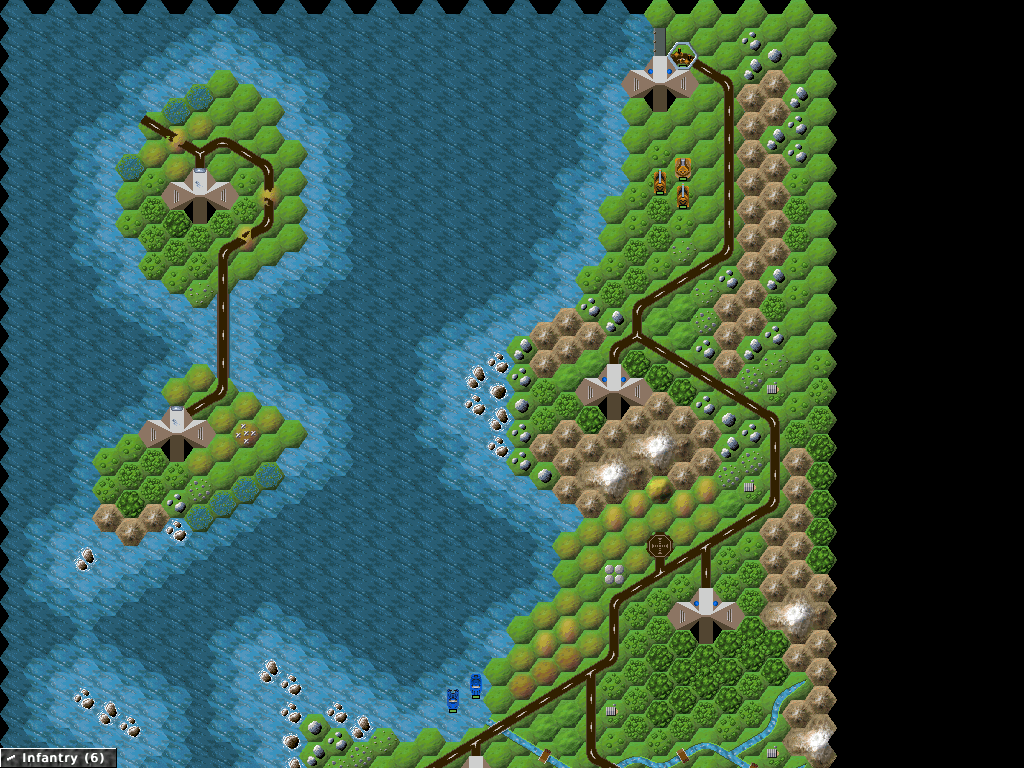
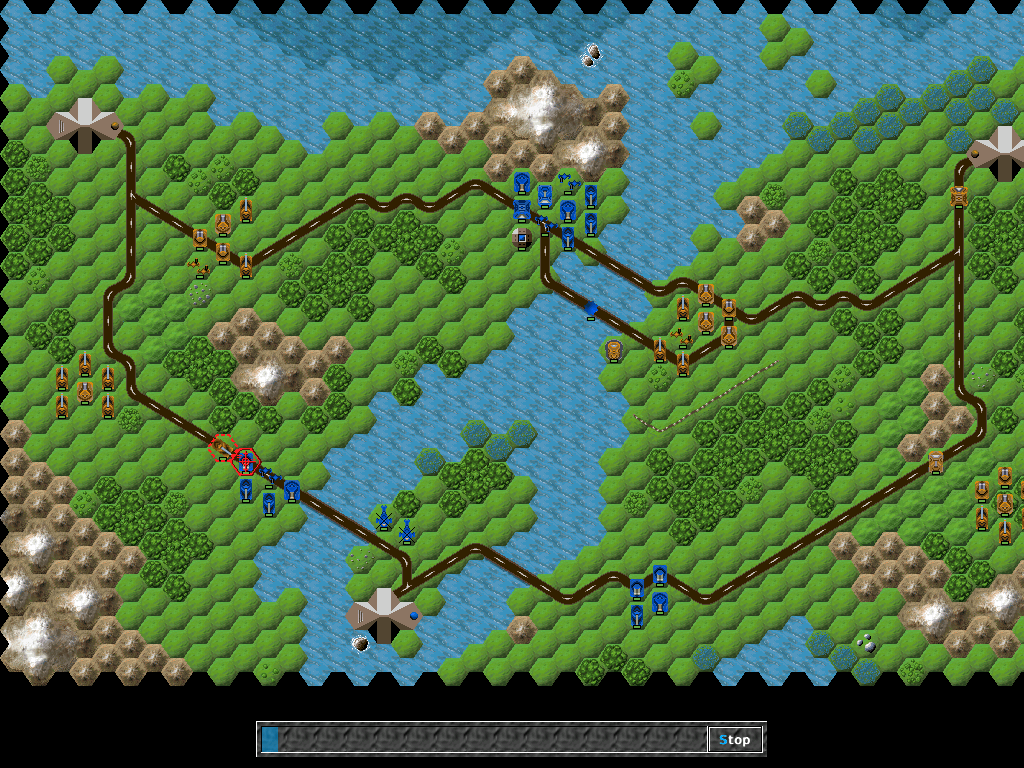
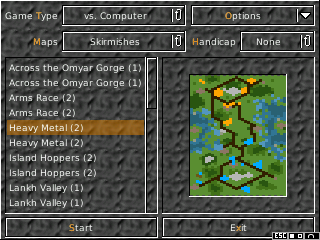
Crimson Fields uses a top-down battlefield view centered on hexagonal tiles, military units, terrain, and strategic buildings. That straightforward angle fits the game well: you spend your time judging routes, territory, and unit placement rather than fighting the camera.
Story
Story is not the reason to come here. The full campaign gives the battles a framework, while each new game generally opens with briefing text that explains the objective. That makes the goal clear before you start committing units, which is exactly what this kind of strategy game needs.
The sci-fi military backdrop is primarily a setting for the conflict rather than a heavily detailed narrative draw. You are here to solve battlefield problems, not to chase character drama or major plot turns. That focus keeps the campaign moving, even if it will not satisfy anyone who needs a story-rich strategy experience.
Briefings can be displayed in English, German, Polish, French, and other languages, a practical touch for a game whose instructions and objectives matter. The writing’s job is to set the mission and get out of the way, and Crimson Fields is better for staying focused on that.
Overall Experience
Crimson Fields is a generous, focused turn-based strategy game with a clear audience: anyone who still enjoys claiming ground one hex at a time. Its freeware status is not the main reason to try it; the real draw is a sturdy Battle Isle-style formula backed by a tutorial, campaign, standalone scenarios, multiplayer, and tools that extend its life.
You should give it a chance if measured tactical planning sounds more appealing than speed. The first few battles may feel plain, but the decisions start to matter once you recognize how tightly resources, buildings, unit movement, and enemy pressure are linked. There is real satisfaction in seeing a cautious plan hold together.
It will not convert gamers who find traditional turn-based warfare too slow or too rules-bound. Yet for strategy fans willing to meet it on its own deliberate terms, Crimson Fields offers far more than a nostalgic imitation. The editable and convertible content makes the payoff especially worthwhile for anyone who wants a long-running tactical sandbox rather than a brief campaign to finish and forget.


Reviews
There are no reviews yet.