 Retro Replay Retro Gaming History, Reviews & Emulation
Retro Replay Review
Gameplay
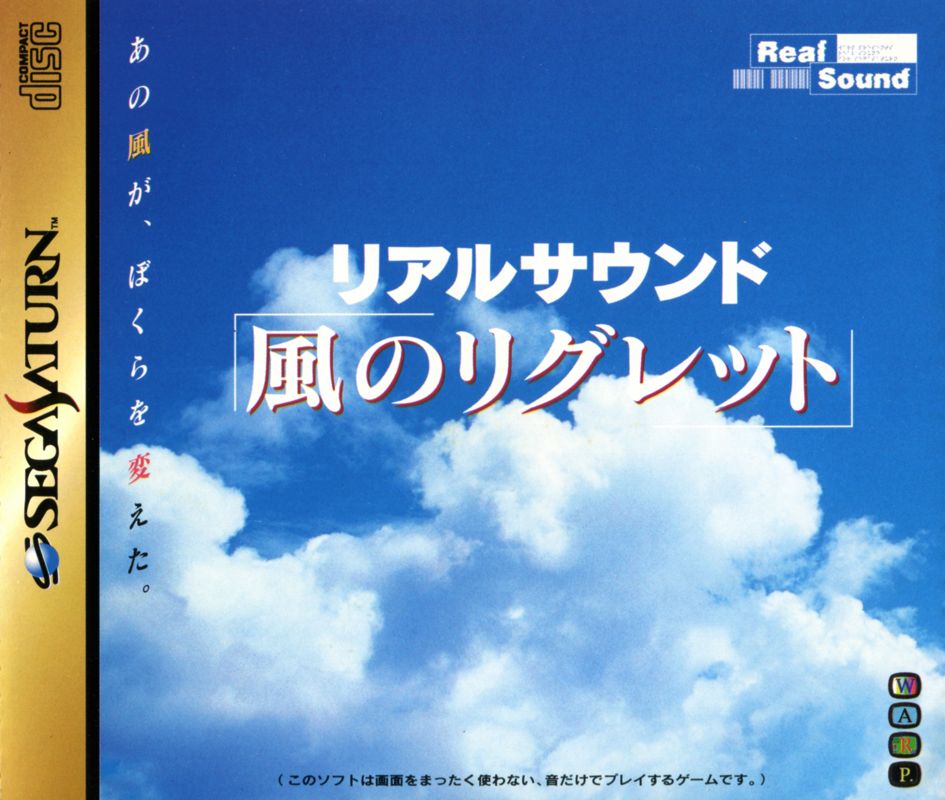
The central trick of Real Sound: Kaze no Regret is also its biggest hurdle: there is nothing to look at. You follow the story through voice acting and sound, then hear a chime when it is time to choose a direction. It is structurally close to a visual novel, but removing text means you cannot casually skim ahead or let your eyes catch details you missed. You have to listen.
That can make the opening hour feel surprisingly absorbing if you meet it on its own terms. Without character portraits, dialogue boxes, or scene art competing for attention, the voices carry the scene-to-scene momentum. The chimes break that flow at important moments and make your decisions feel more immediate, even though the interaction itself is simple.
Frustration will set in fast if you want puzzles, exploration, or a steady stream of hands-on systems. This is a branching audio story, not an adventure game that happens to use sound heavily. Give it a chance if you enjoy visual novels for their writing and choices but are curious about experiencing one as a radio drama; otherwise, its deliberate lack of visual feedback may feel more restrictive than novel.
Graphics
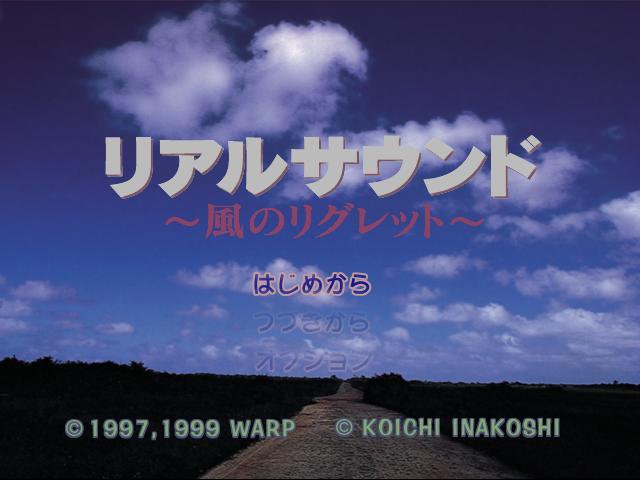
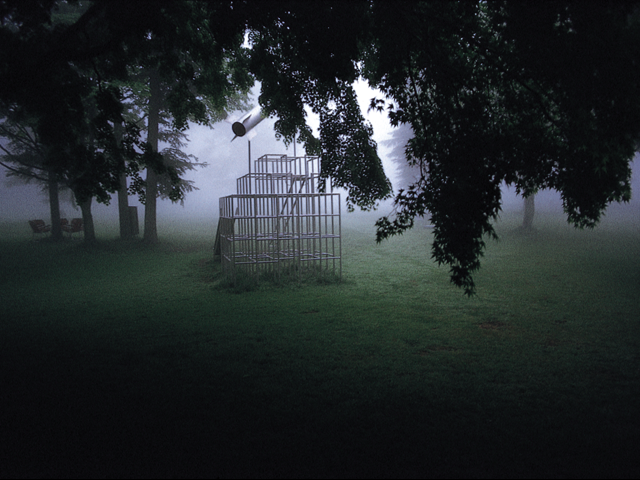
On Sega Saturn, there are no graphics at all: no character art, no backgrounds, and no text. The Dreamcast version adds a title screen and a Visual Mode with static backgrounds, but the actual experience remains built around listening rather than looking.
Story
Mizu Sakura and Hiroshi Nonoichi begin as elementary-school students who fall in love after Mizu transfers to a Tokyo school. Their plan to elope is the kind of earnest, painful decision that only makes sense at that age, and the fact that Mizu never arrives gives the premise its lingering ache. Hiroshi later learns she has been transferred again, leaving both the relationship and the failed escape unresolved.
Several years later, Mizu is job-hunting and Hiroshi is in college, with both seemingly past their childhood connection. That ordinary distance is a strong place to start: the game does not need grand gestures to make their shared history matter. When a mysterious disappearance in the subway system draws their past back into view, the romance gains a more unsettling mystery angle.
The setup is especially suited to an audio-only format because it leans on conversation, memory, and uncertainty rather than spectacle. You should go in wanting to hear a story unfold, not expecting the subway mystery to turn the game into an action thriller. For more background on its unusual format and release history, see this history of Real Sound: Kaze no Regret.
Overall Experience
This is a bold piece of game design precisely because it gives up the medium’s most common crutch. A visual novel usually lets you reread a line, study an expression, or settle into a background while dialogue plays out. Here, you build the scene yourself from voices and sound, which can make it more personal and more demanding at the same time.
The payoff depends almost entirely on your willingness to focus. Put it on when you can actually listen, preferably without treating it as background noise, and its intimate premise has room to land. Try to play while distracted, or come in craving conventional game interaction, and the same minimalism will feel like a wall between you and the story.
Real Sound: Kaze no Regret remains an intriguing recommendation for visual-novel fans, audio-drama listeners, and anyone interested in games that radically rethink how a story can be delivered. It is narrow by design, but that narrowness is sincere rather than gimmicky. You may not want every game to work this way; you may still be glad this one does.


Reviews
There are no reviews yet.