 Retro Replay Retro Gaming History, Reviews & Emulation


Retro Replay Review
Gameplay
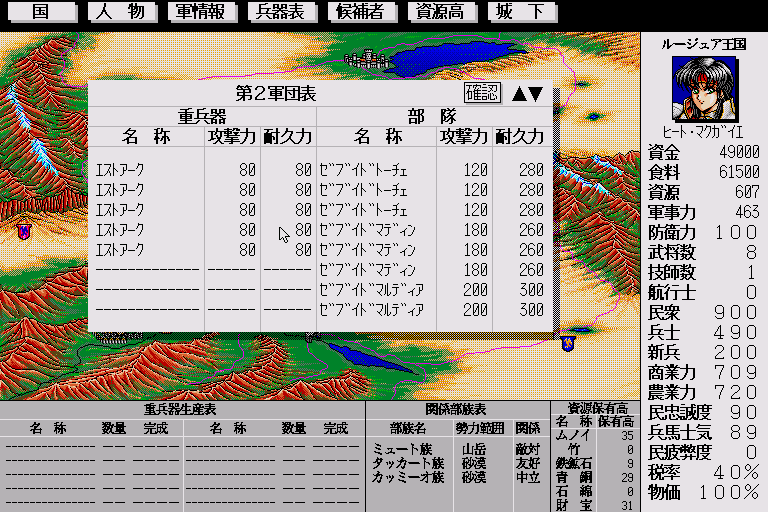
The first hour of Joshua asks you to think like a ruler, not a battlefield hero. Before troops march anywhere, you have to care about the state behind them: keep citizens content, reinforce cities, build catapults, train soldiers, and make sure the army has both money and rations. That chain of responsibilities gives every military decision some weight. A victory feels earned because it began with choices made well before the fighting started.
Much of that work is menu-driven, in the tradition of Koei’s historical simulations. If you enjoy selecting policies, weighing diplomatic moves, and slowly arranging a nation’s priorities, that pace can become absorbing. If you want immediate action or a strategy game that explains itself through constant movement on a map, the volume of administration may test your patience. Joshua wants you to engage with government as part of warfare, not as a quick stop between battles.
The large-scale fights move to separate turn-based overhead screens, which is a smart release valve after all the statecraft. You are no longer just approving preparations; you are committing the forces those preparations produced. The rhythm is clear: build capacity, make political decisions, prepare an army, then see whether your planning holds up in battle. That is an old-fashioned loop, but it remains compelling when you enjoy strategy built around consequences rather than constant spectacle.
The scenario selection also matters. Starting as the small desert nation of Rujua promises a different kind of pressure from leading Ashumenia against Ishtakar or defending Ans against the Barm Empire’s occupation. None of these setups sounds like a carefree expansion romp. The game is at its most inviting when you want a difficult political-military position to untangle over time.
Graphics
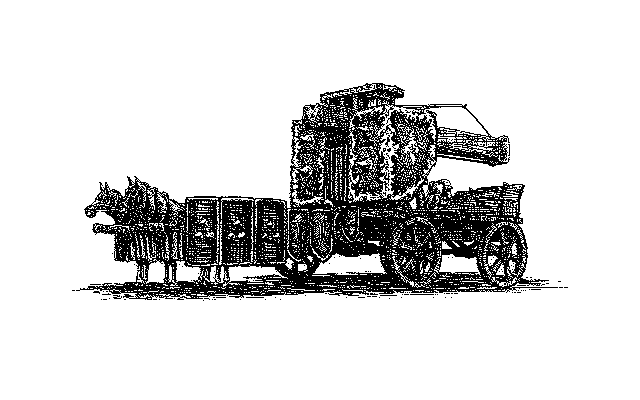
Joshua uses an anime/manga-inflected fantasy setting, while its battles are shown from an overhead view. Those separate battle screens suit a game concerned with large-scale turn-based engagements, keeping the military side distinct from the menu-heavy ruling layer.

Story
The setting does more than swap historical names for fictional ones. Joshua is a semi-medieval continent where science and technology have produced wondrous flying machines as well as mechanical war devices powerful enough to help nations dominate huge territories. That mix gives the game a pleasantly unusual strategic backdrop: it is neither straight medieval history nor full-on fantasy adventure.
Rather than following one fixed plot, the game frames its drama through three periods spanning the 10th to 12th centuries of Joshua’s history. Rujua begins as a small desert nation. Ashumenia faces the kingdom of Ishtakar. Ans fights to resist the occupying Barm Empire. Each premise puts conflict at the center, but from a ruler’s perspective, where the fate of a country rests on policy as much as force.
That structure makes the world feel like a place with a long, contested history rather than a single campaign built around one protagonist. You should come for the political situations and the fantasy-technological premise, not for a tightly authored character story. The strongest narrative satisfaction comes from taking a nation under pressure and deciding how it survives.
Overall Experience
Joshua is a niche but appealing grand strategy game: dense, deliberate, and more interested in the burdens of rule than in quick tactical thrills. The combination of internal policy, diplomacy, logistics, fortification, and turn-based warfare gives it a broad view of conflict. Winning is not simply a matter of having soldiers; it means sustaining the country that sends them to war.
Its biggest hurdle is also its defining trait. Menu-driven strategy can feel dry before the various responsibilities start connecting in your head, and the game asks you to meet it on its own measured terms. Give it time, though, and the connection between public happiness, resources, readiness, and battle creates the kind of satisfying strategic knot that shorter, more action-focused games often skip.
Try it if you have a fondness for early-1990s Koei-style simulations and want that formula in a fictional continent with flying machines and mechanical warfare. The three scenario setups provide meaningful reasons to revisit the game, while the underdog and resistance-minded premises give your administrative choices a sense of urgency. It is not an effortless game, but its patient approach has real payoff for a strategy fan willing to govern as carefully as they conquer.


Reviews
There are no reviews yet.