 Retro Replay Retro Gaming History, Reviews & Emulation
Retro Replay Review
Gameplay
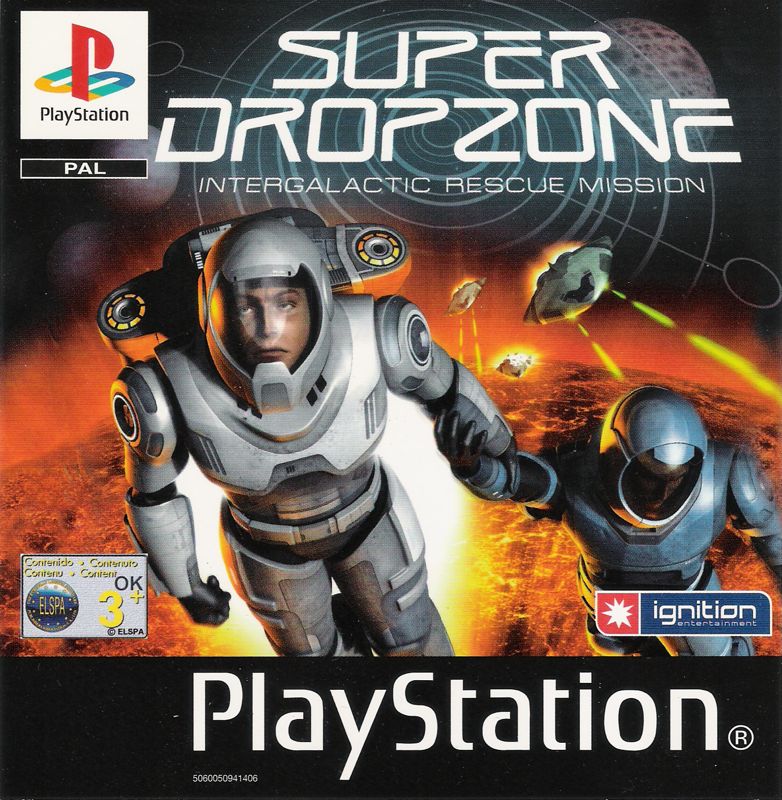
Super Dropzone starts fast and stays demanding. You fly a jetpack-equipped rescuer freely over the surface, blasting aliens while trying to ferry ten humans to the dropzone. That two-part job is what gives the shooting real bite: a screen can look manageable until you realize the people you meant to save are being carried away by a leader enemy.
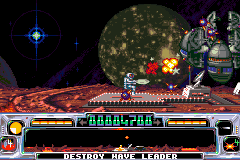
The opening waves teach the central rhythm cleanly. Shoot down the leader to free the captured humans, grab a survivor, then make the trip to the landing pad without becoming an easy target yourself. You are constantly pulled between offense and rescue work, and the tension comes from knowing that ignoring either task can ruin a promising run.
It is deliberately old-school in its priorities. Wave after wave of aliens will wear you down if you just try to play aggressively, while treating every pickup like a cautious escort mission leaves enemies in control. Once you start judging when to clear space, when to hunt the leader, and when to make a rescue run, the game’s apparent chaos begins to click.
New weapons and end-of-level guardians give the sequel more variety than a straight repeat of the original. The guardians demand that you wait for an exposed glowing green nerve centre before attacking, turning those encounters into tests of timing rather than simple target practice. Frustration can set in when the pressure of a wave disrupts a rescue, but the structure is sharp enough that mistakes usually feel worth correcting on the next attempt.
Graphics
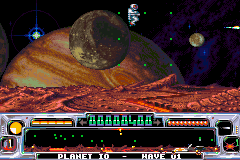
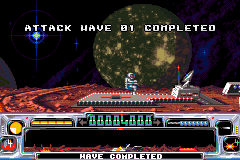
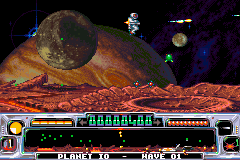
The side-view action keeps the moon surface, your flying rescuer, aliens, abducted humans, and landing pad in the same immediate play space. That clarity matters in a game built around rapidly spotting a leader enemy and deciding whether a stranded human is safe to collect.
Moving from Callisto, Ganymede, and Europa to Jupiter gives the campaign a broader interplanetary backdrop, while the bosses stand out through their glowing green weak point. The view is functional and direct: you can see the fight and the rescue problem at once.

Story
The story is lean, but it gives the arcade action a useful stake. Ten years after the first Jupiter mission, humanity has expanded to bases on Callisto, Ganymede, and Europa, only to find the same alien threat still waiting. Your job remains brutally practical: protect the workers and get them home.
There is no need for a lot of narrative detours when each wave already tells a tiny survival story. Humans are beamed away, you bring down the enemy responsible, and the rescue becomes possible again. That loop makes the conflict feel more urgent than a score chase with interchangeable targets.
The trip across Jupiter’s moons and onto Jupiter itself also gives the campaign a satisfying sense of progression. Each final guardian acts as a clear punctuation mark, making a successful level feel like you have secured another foothold rather than merely survived another batch of enemies.
Overall Experience
Super Dropzone is a sturdy arcade sequel because it understands exactly what made its rescue-and-shooting loop compelling in the first place. The action is immediate, but it rewards composure. You will get more out of it if you enjoy games that ask you to manage competing priorities under sustained pressure.
Its strongest moments come when a rescue route opens in the middle of a messy battle and you commit to it, knowing you may have only a brief safe window. The bosses and extra weaponry add welcome milestones, but the real payoff is mastering the moment-to-moment triage of each wave.
Give it a chance if you want focused 2D shooter action with a mission beyond wiping out enemies. If you need a relaxed ride, its repeated waves and unforgiving rescue pressure may grate. For arcade-minded players willing to learn its rhythm, though, it remains a tense and satisfying trip across Jupiter’s moons.


Reviews
There are no reviews yet.