 Retro Replay Retro Gaming History, Reviews & Emulation
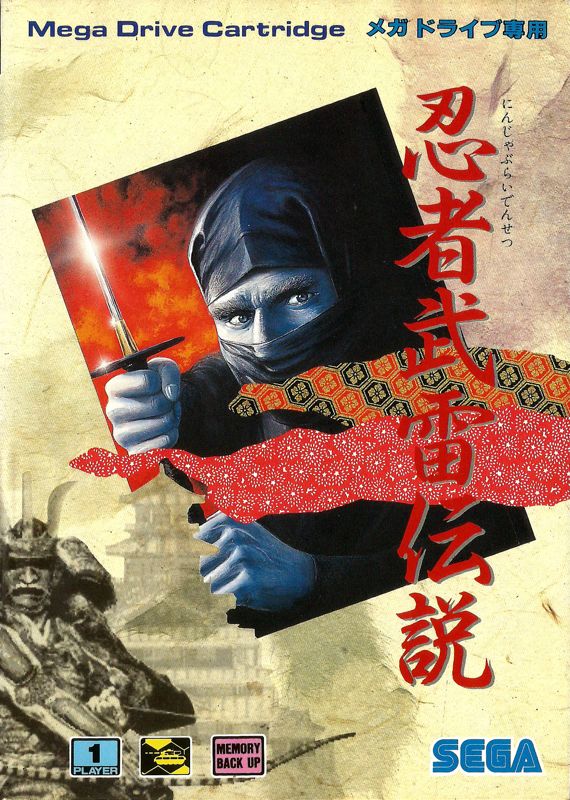

Retro Replay Review
Gameplay
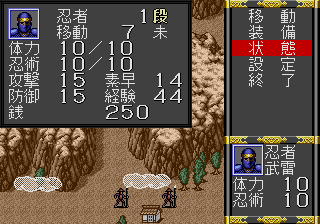
Ninja Burai Densetsu pulls you in with the kind of clean tactical problem that never really goes out of fashion: a grid map, individual units, enemy forces, and a goal that must be met before the days run out. You move a character, commit to an attack, then watch the computer answer. It is familiar territory for anyone who has spent time with Fire Emblem or Langrisser, but the setting and constant clock give the formula a sharper edge.
The time limit is more than background pressure. Each stage has a specific objective, so you cannot afford to treat every battle as a leisurely sweep of the map. You need to decide when to press forward, when to spend a turn recovering, and whether an enemy near a town is worth pursuing immediately. That last wrinkle matters because enemies can retreat to nearby towns after being attacked, not merely your own forces. A wounded opponent can become an irritating loose end if you let them slip away.
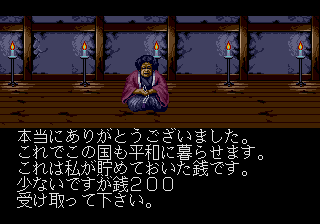
Towns make the maps feel less static than a plain sequence of clashes. Your units can visit them to buy equipment and recovery items, which creates a useful tension between advancing toward the objective and taking a detour to prepare. The enemy can use that same refuge, turning a town into a contested resource rather than a guaranteed player advantage. It is a small idea with real tactical consequences.
The frustration is easy to imagine if you prefer strategy games that let you patiently clear every threat. Strict limits measured in days demand efficiency, and a stage objective can make a cautious approach feel costly. But if you enjoy being forced to make a plan and revise it when the opposition runs for supplies, this structure has bite. The game seems most rewarding when you accept that finishing decisively matters as much as winning fights.

Graphics
The action is viewed from above on grid-based battle maps, a sensible angle for following where each individual unit is positioned and where an enemy might retreat. Short scenes appear between stages to carry the revenge story onward, giving the campaign breaks between its tactical maps.
Story
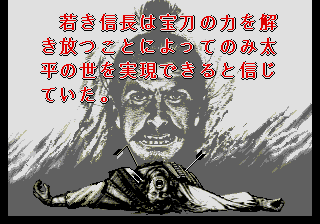
The opening has enough melodrama to suit a Sengoku-era ninja tale. Twelve years before the campaign, Oda Nobunaga’s forces attack a foreign ship off Japan’s coast. John, an injured sailor, survives long enough to entrust his three-year-old son to the ninja master Kageha before dying. Kageha raises and trains the boy as a ninja, naming him Burai.
That background gives Burai’s campaign a personal reason to move from battle to battle: he sets out with companions to avenge the attack and confront Nobunaga. It is a straightforward revenge setup, but a strong one for a tactics game because it keeps the stakes clear. You are not asked to untangle an elaborate political mystery before the first map; you know who Burai is and why he is fighting.
The story advances in short scenes between stages, so it functions as momentum rather than an interruption. That arrangement should suit you if you want the campaign context without long stretches away from the strategy. Burai’s origin also gives the game a distinctive angle within its Japanese historical-fantasy frame: he is a foreign sailor’s son remade as a ninja.
Overall Experience
Ninja Burai Densetsu sounds like a compact but demanding turn-based campaign built around pressure, positioning, and a clear revenge drive. Its strongest idea is not simply that it resembles other early tactical games; it is that the stage clock and town system force both sides to think about survival and momentum. An enemy escaping to a town can turn an apparently favorable exchange into a new problem, which is exactly the sort of complication that makes a map memorable.
You should give it a chance if you like older grid strategy games that make every turn count. The appeal is in reading the map, handling objectives efficiently, and avoiding the trap of fighting on the enemy’s preferred timetable. Anyone wanting a relaxed, attritional campaign may find the day limits harsh, but the same restrictions are likely to be the source of its best moments.
Burai’s story does not need to carry the game alone. It gives the battles direction, while the tactical rules supply the real payoff: reach the goal, manage your equipment and recovery, and do not assume a damaged foe is finished just because you landed the first blow. For strategy fans who value urgency over leisurely map-clearing, that is a solid reason to step into Burai’s sandals.



Reviews
There are no reviews yet.