 Retro Replay Retro Replay gaming reviews, news, emulation, geek stuff and more!


Retro Replay Review
Gameplay
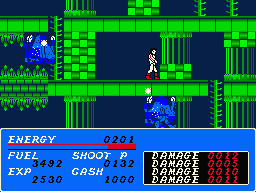
The first hour of Mirai is defined by pressure. You are not merely shooting alien threats in a scrolling maze: you are flying, watching the jetpack fuel gauge, and deciding whether another fight or route is worth the resources it costs. That combination gives the game a more deliberate rhythm than a straightforward side-view shooter. Even a small stretch of hostile space can feel like a commitment when fuel is part of the equation.
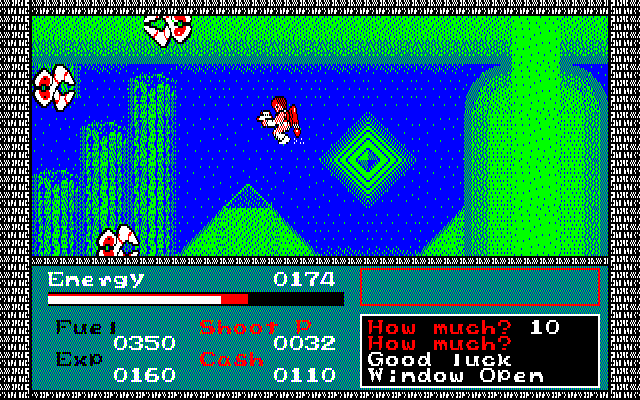
Combat feeds directly into progression. Defeated enemies yield experience and money, while friendly areas let you spend money on weapons and items. That is the part that gives Mirai its staying power. You are fighting for more than survival in the moment; you are trying to improve your odds for the next push into dangerous territory. As the idea clicks, the repeated enemies become both a threat and a potential source of growth.
Still, Mirai asks for patience. Respawning enemies can turn travel into repeated work, and the fuel gauge means careless exploration has consequences. That tension is compelling when you are planning a route and returning better equipped, but it can become frustrating if you want uninterrupted forward momentum. Go in ready to manage risk, grind a little when necessary, and treat the maze as an obstacle to understand rather than a corridor to rush through.
Graphics
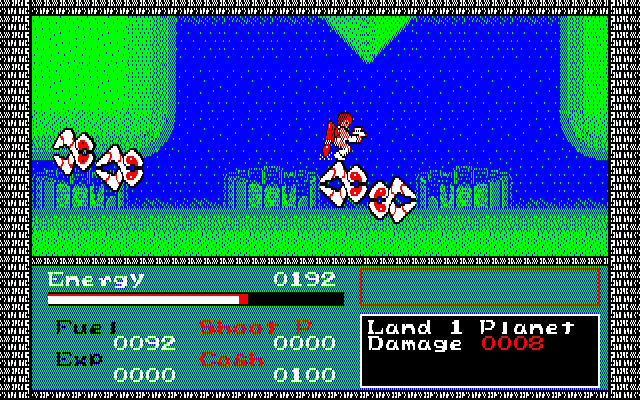
Mirai uses a side-view, scrolling view built around maze-like space environments and a jetpack-equipped protagonist moving through them. The constantly moving playfield suits the game’s focus on navigation: you are always reading where you can fly while keeping hostile aliens in mind.
Story
Set in Galactic Era 720, Mirai puts humanity in a galaxy where alien life is no longer a surprise. Some of those aliens are friendly, while the hostile inhabitants of the Rainbow Nebula are the immediate problem. It is a clean science-fiction setup, and it efficiently explains why friendly stops and dangerous combat zones can coexist.
The protagonist is presented as the only person able to fight the nebula’s hostile life forms, which gives the journey a lone-pilot tone. That premise works because the gameplay already makes you feel exposed: you are one flyer navigating enemy-filled routes with limited fuel and whatever equipment you can afford.
Don’t expect the narrative setup to be the main reward. Mirai’s story is most effective as motivation for its loop of pushing farther into alien territory, surviving, and returning to prepare for the next excursion. The setting is functional, but it fits the focused, solitary struggle well.
Overall Experience
Mirai is an interesting hybrid for gamers who like their shooters to have consequences beyond a single life bar. The mix of jetpack travel, fuel management, money, experience, weapons, and items creates a scrappy sense of advancement. Every successful run can feel like it has improved your position, not just increased a score.
Its rougher edge is also its defining edge. Enemy respawns and resource pressure can make progress feel hard-earned, and the scrolling mazes demand more attention than a simple shoot-and-dodge game. If you need constant novelty or fast, clean runs, the repetition may overpower the progression.
For the right mood, though, Mirai is worth a look. It is a compact, demanding sci-fi action RPG where preparation matters and the act of getting through a hostile area is the point. Give it a chance if you enjoy older games that turn limited resources into meaningful decisions; skip it if you want a shooter that lets you move freely without worrying about the trip home.


Reviews
There are no reviews yet.