 Retro Replay Retro Gaming History, Reviews & Emulation
Retro Replay Review
Gameplay
The first hour has a strong hook because Otaku no Seiza drops you into a social order that is deliberately backwards from the usual fantasy-RPG default. Once you begin moving through Fuyuu City and beyond, though, the game’s priorities become very traditional: travel across a top-down world map, stop in towns, delve into dungeons, and brace for random encounters. If you grew up enjoying the steady routine of early Dragon Quest games, that familiarity can be comforting rather than dull.
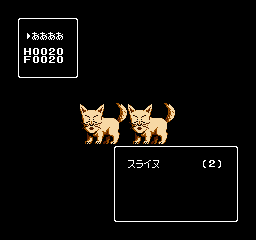
Combat shifts to a first-person turn-based view and asks you to make the sort of careful, uncomplicated choices the era is known for. The Force special attacks add an important bit of extra bite to a system that might otherwise feel too plain. Automatic leveling also removes one layer of character-management fuss, leaving you to focus on where to go and how to survive the next stretch of encounters.
The rougher edge is in how much of the adventure asks for patience. Talking and searching are separate menu commands, so basic exploration has a deliberate, stop-and-start cadence. Combined with random battles, that can make town investigation and dungeon progress feel slower than you may want. Go in wanting a period Japanese RPG rather than a streamlined adventure, and the routine is easier to enjoy.

Graphics
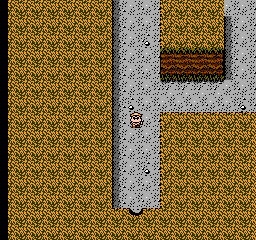
The game alternates between a diagonal top-down view for travel and first-person battle screens for encounters. That split is classic console RPG language: the map lets you chart the world, while fights put the enemy directly in front of you.
Story
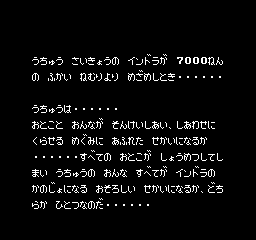
Its strongest idea is Fuyuu City itself: a futuristic place where women hold all power and men are treated unfairly. The nameless hero’s memory loss gives him an outsider’s reason to question that order, and his decision to support the oppressed men gives the quest a clear direction.
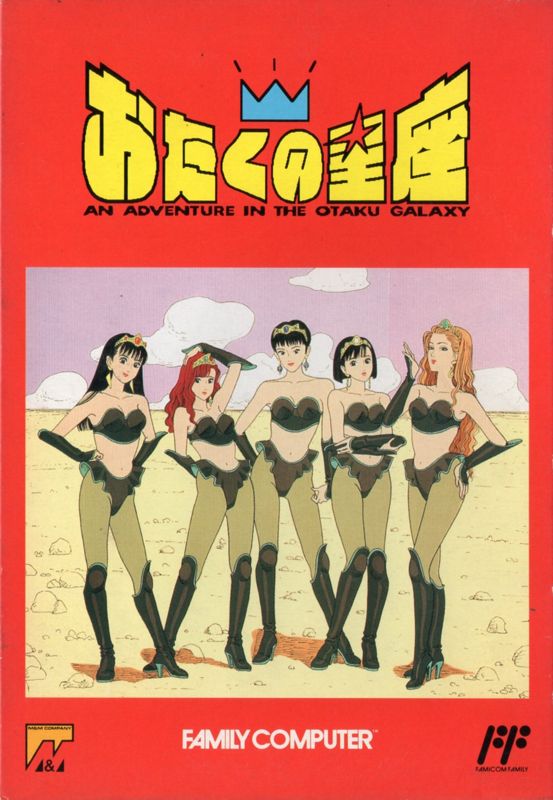
Aurora, the group of five beautiful, clever, powerful women who controls the city and surrounding region, gives the conflict a focused face. More importantly, the setup is played with humorous overtones. The game is not simply swapping who sits on top; it is using that reversal as the basis for an offbeat RPG premise.
That tone is the reason to be curious about Otaku no Seiza even if its mechanics sound familiar. The story framework has more personality than the standard journey to save a generic kingdom. For additional game-specific background, the game’s history page is useful context.
Overall Experience
Otaku no Seiza is easier to appreciate as a peculiar, humorous take on an established RPG mold than as a game trying to reinvent that mold. Its journey is built from well-worn pieces, but the gender-reversed power structure and amnesiac hero make the trip less anonymous than the usual early-1990s quest.
You should give it a chance if menu-based exploration, random encounters, and measured turn-based fighting sound relaxing rather than exhausting. The payoff is not a new combat language; it is seeing a familiar format carry an unusually pointed comic premise. If you need quick navigation and constant mechanical surprises, the old-fashioned friction will likely win out.
There is also a later related entry, Aurora Quest: Otaku no Seiza in Another World, for anyone intrigued enough by this strange corner of RPG history to continue with the series. On its own, Otaku no Seiza earns credit for being memorable in concept and dependable in structure, even when that structure feels stubbornly familiar.


Reviews
There are no reviews yet.