 Retro Replay Retro Replay gaming reviews, news, emulation, geek stuff and more!

Retro Replay Review
Gameplay
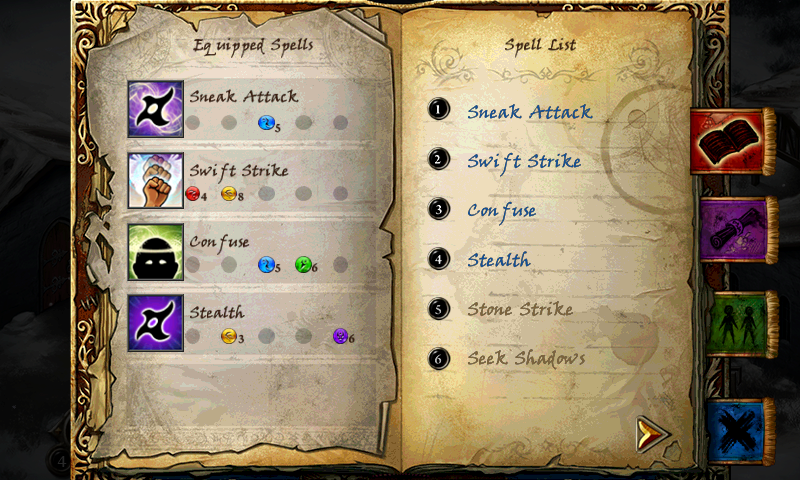
The first hour of Puzzle Quest 2 feels comfortingly simple: line up gems, hurt an enemy, collect the rewards, and move farther into danger. Then the board starts asking more from you. Matching icons is tied to four schools of magic, defensive resources, and physical attacks, so a move that looks merely decent can be the setup for a much better turn later. You are not just clearing colors; you are deciding whether to stockpile mana, shore up defense, or get an attack ready before the opponent can swing the board back in their favor.
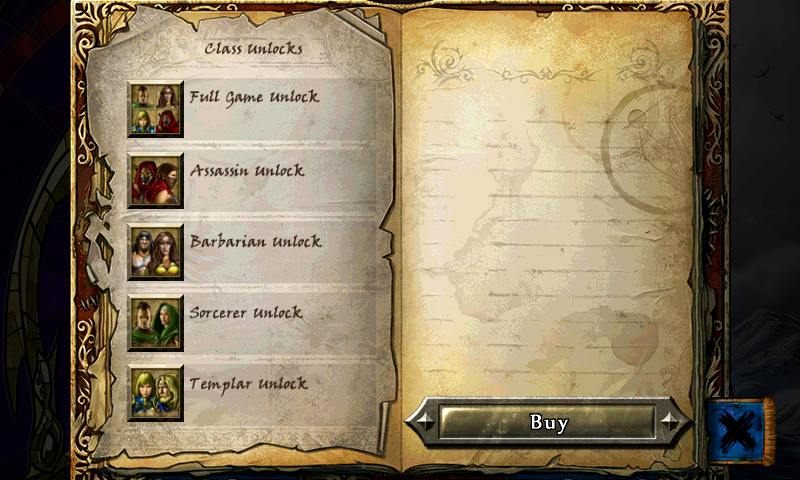
That blend remains the reason to play. The match-three foundation is immediately legible, while the RPG layer gives individual battles more tension than a casual puzzle game usually manages. Your choice of Barbarian, Sorcerer, Assassin, or Templar should help make the journey feel like your own, and the ability to choose a male or female character is welcome. The game understands the pleasure of turning a neat chain of matches into a decisive magical or physical response.
The smaller-area structure is a meaningful change from the original Puzzle Quest’s broad overworld. Here, you spend much of your time threading through caves and underground chambers beneath a troubled town. That tighter focus makes the adventure easier to pick up in short stretches, although anyone who loved the feeling of crossing a large fantasy map may miss that sense of travel. The extra puzzle activities—searching rooms for hidden objects, digging into treasure chests, and unlocking doors—break up the fighting without straying from the core matching language.
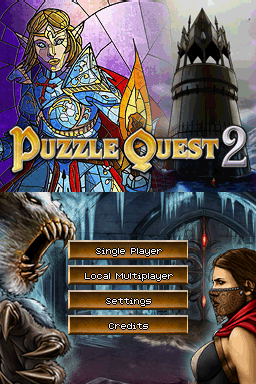
There is also a two-player head-to-head mode, which suits a system built around reading the board and denying useful opportunities. Even solo, the main draw is that satisfying shift from making obvious matches to deliberately shaping the board. If you only want fast, low-stakes gem clearing, the constant combat framing may wear on you. If you like a puzzle game that rewards patience and a little forward planning, it has real staying power.

Graphics
Puzzle Quest 2 trades the original game’s larger overworld for closer, smaller fantasy spaces, with caves and underground rooms forming the bulk of the journey. Battles are built around the clear tile-matching board, where the distinct icons for magic, defense, and attacks need to be easy to pick out while you plan a turn.
Story
This is straightforward fantasy adventuring: you create a hero and set out to stop an evil force threatening the world. The troubled town and the spaces beneath it give the quest a contained dungeon-crawl direction rather than sending you across a sprawling overworld.
That simplicity works because the plot has the right job: move you from one confrontation to the next and give your chosen class a reason to keep delving deeper. The return to a fantasy setting is a better match for swords, sorcery, and the four available classes than the franchise’s science-fiction detour in Galactrix.
Do not come expecting the story to overpower the puzzle combat. Its value is in maintaining forward motion and giving the many boards a shared purpose. You will remember the clever turns and hard-won wins more vividly than the central evil, but the adventure frame is sturdy enough to keep the puzzle loop from feeling like a menu of disconnected matches.
Overall Experience
Puzzle Quest 2 is a confident refinement of a durable idea: make every match serve a combat plan, then wrap that plan in an accessible fantasy RPG. It gets its hooks into you quickly because the rules are familiar, but it earns the longer commitment by making resource-building and attack timing matter.
The more compact underground structure is both its convenience and its compromise. It gives the game a focused rhythm that works nicely in short sessions, yet it does not carry the same broad sense of expedition as a large overworld. Whether that feels like streamlining or a loss depends on what you wanted from the first game.
At 7.6, Puzzle Quest 2 lands as an easy recommendation for anyone who wants their match-three puzzles to push back. Give it a chance if you enjoy thinking two or three moves ahead, like choosing a fantasy class, and want bite-sized puzzle decisions with RPG consequences. Skip it only if you want the puzzle board to stay purely casual; this one wants your attention, and it is better for it.



Reviews
There are no reviews yet.