 Retro Replay Retro Gaming History, Reviews & Emulation


Retro Replay Review
Gameplay
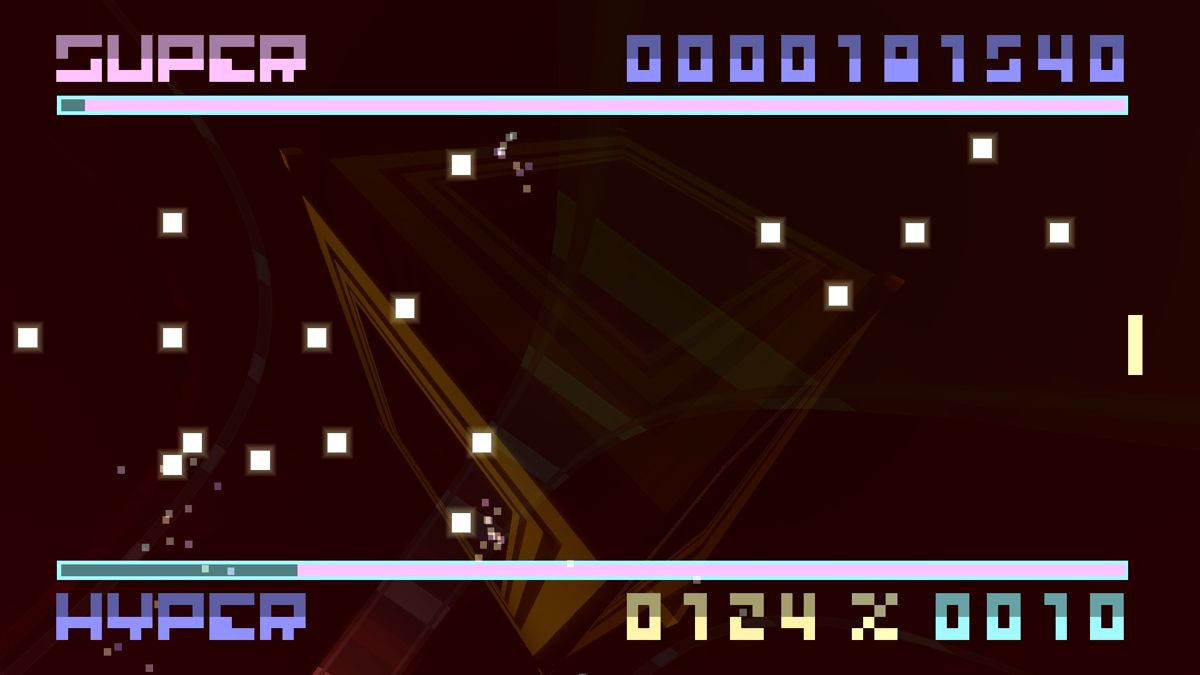
Bit.Trip Flux starts with the kind of rule set you can understand in seconds and spend hours trying to master. You slide a paddle up and down, knocking rhythmic dots back across the screen. Hit enough of them and your multiplier rises, the track gains energy, and you slip into that satisfying state where hand movement and sound feel connected. It is paddle-ball stripped down to a sharp musical test of focus.
The twist is that not everything coming toward you should be returned. Avoid beats punish a careless swing by damaging your paddle and pushing you toward a lower mode, while power-ups can enlarge the paddle and briefly relieve the pressure. That small change from Bit.Trip Beat matters: Flux asks you to read what is arriving, not merely react to every dot. Once it clicks, threading through hazards while protecting a streak becomes the game’s best feeling.
It can also be frustrating in exactly the way rhythm games often are. A missed sequence can drain the music, reduce the score state, and make you feel as though the run is slipping through your fingers. Flux is kinder than a traditional game-over structure, though. Miss too many beats and you return to the prior checkpoint, which keeps the focus on learning a difficult passage rather than replaying an entire stage.
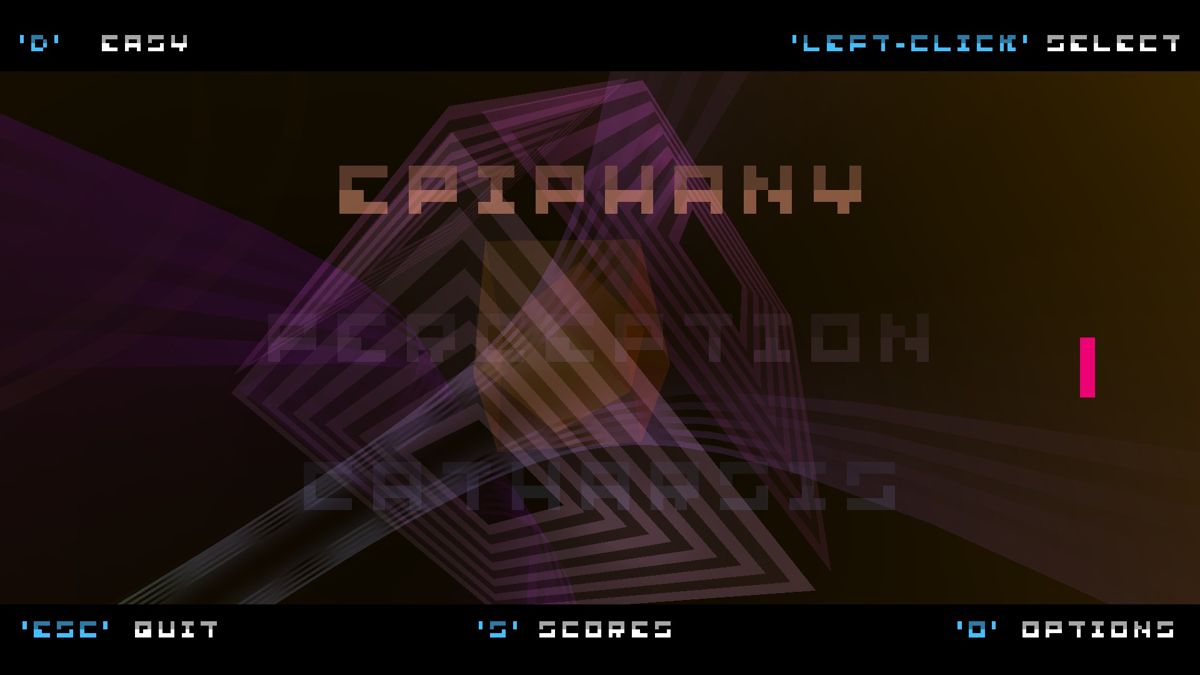
There are only three stages—Epiphany, Perception, and Catharsis—and they unlock in order, but each contains multiple checkpoints and enough concentrated challenge to justify the climb. Two-player simultaneous play is available, though the reduced player count compared with Beat makes this feel more like a focused co-op distraction than a party centerpiece. Solo is where the rhythmic concentration lands hardest.
Graphics
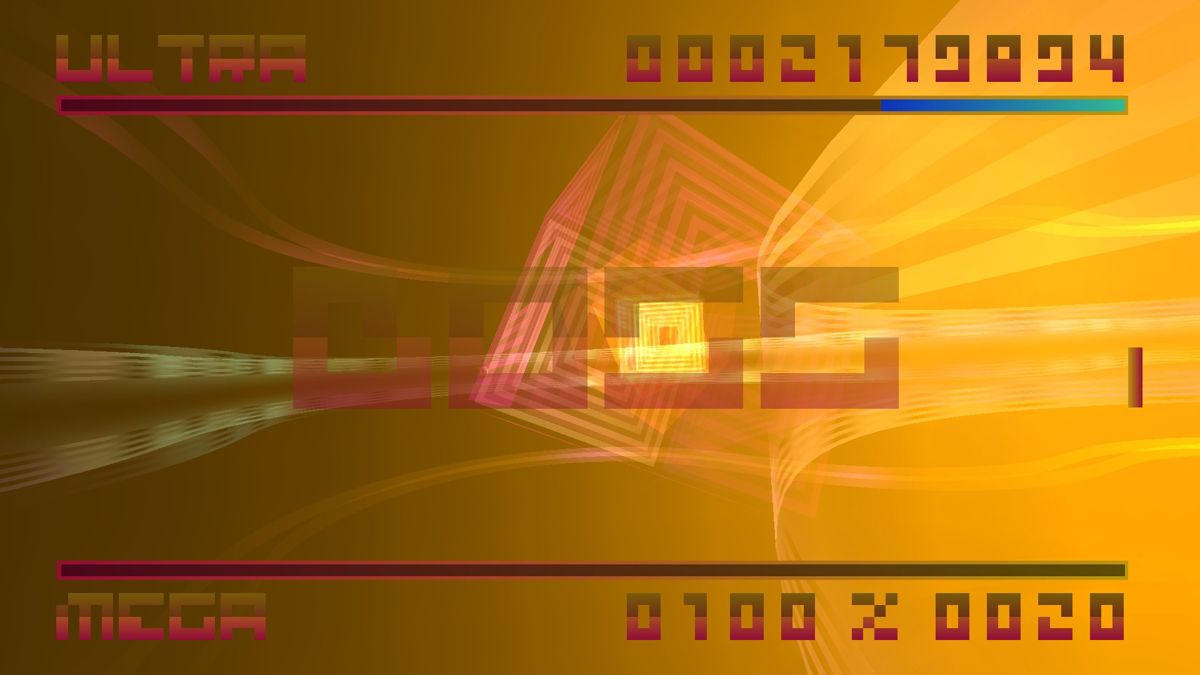
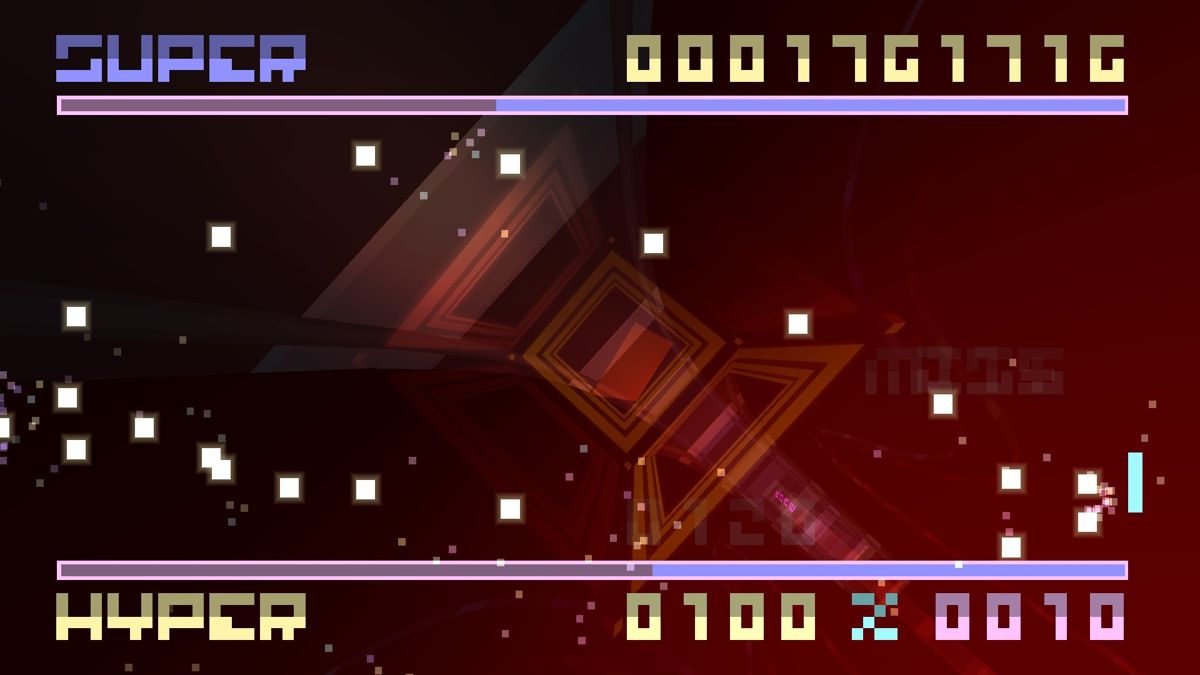
Flux uses a retro, abstract side-view look built around a paddle and streams of tonal dots crossing the screen. The important visual shift comes with performance: sustained returns build the audio-visual intensity, while mistakes pull the game back toward stark, dull black and white. You can see your momentum disappear as clearly as you can hear it.
Story
There is no character-driven plot to pull you through Flux. Its progression is instead framed by the three stage names: Epiphany, Perception, and Catharsis. They suggest a journey from discovery to release, but the meaning comes from your performance rather than cutscenes or exposition.
That spare approach fits the game. A clean run develops its own arc: early uncertainty, rising confidence as the multiplier grows, then the nerves of trying not to lose a hard-earned mode. When a checkpoint sends you back after a collapse, the story is simply that you have another chance to understand the pattern.
Gamers looking for a narrative reason to continue will find little here beyond the desire to unlock the next stage. If you enjoy games that let music, repetition, and personal improvement carry the emotional weight, Flux has enough structure to make that minimal journey work.
Overall Experience
Bit.Trip Flux is a strong remix rather than a wholesale reinvention. Its paddle-and-beat core is direct, tactile, and easy to grasp, while Avoid beats introduce just enough hesitation to make the rhythm more demanding. The first hour is about surviving; the real fun begins when you stop chasing every dot and start reading the flow.
The downside is that Flux can feel severe when you are off tempo. Mode-down states deliberately make the experience less lively, so bad play is not merely a score problem—it makes the game feel less enjoyable until you recover. Some gamers will find that motivating. Others may resent a game that rubs in a rough streak.
For rhythm-game fans who enjoy disciplined repetition and the satisfaction of slowly conquering a pattern, the payoff is worth it. The checkpoints prevent its toughest moments from becoming exhausting, and the three-stage structure gives the game a compact, deliberate shape. It is especially easy to recommend if you liked Bit.Trip Beat but wanted a more selective, hazard-aware variation.
Flux does not need a long campaign to leave an impression. It turns a simple paddle into an instrument, then asks whether you can keep playing when the rhythm becomes hostile. For additional release and game history, the Bit.Trip Flux overview is useful, but the essential verdict is simpler: this is a lean, challenging rhythm game with a rewarding pulse once your reflexes catch up.



Reviews
There are no reviews yet.