 Retro Replay Retro Replay gaming reviews, news, emulation, geek stuff and more!
Retro Replay Review
Gameplay
Blades of Time comes out swinging. In the first hour, it is easy to enjoy simply because Ayumi is so mobile: she cuts through enemies with rapid blade strings, mixes in kicks, dashes out of danger, and can abruptly pull a rifle or rocket launcher from the loot she has found. It has that brash, over-the-top hack-and-slash rhythm where you are encouraged to stay aggressive rather than patiently circle every opponent.
The combat has more going on than button-mashing, even if it never entirely escapes that genre’s rough-and-ready feel. Enemies can be pushed into a submissive state for finishing moves, and the rage meter gives you a reason to keep winning fights cleanly. Building up its three levels unlocks stronger magic, including freezing foes or driving giant ice crystals up beneath them. Swapping equipment on the fly is another welcome touch; changing rings, amulets, melee tools, or guns to suit the situation feels more flexible than being stuck with a single build.
The game becomes more interesting once Ayumi learns to rewind time and fight beside a clone repeating her earlier actions. That is the central idea worth sticking around for. It lets you distract shield-bearing enemies and solve later puzzles by coordinating with your past self, turning a straightforward action game into something briefly, satisfyingly strange. It is a smarter payoff than the opening suggests.
Not every bit of friction feels intentional. There is no map, so getting around depends on pulling out a compass and following its directional cue. Shooting distant objects also gets folded into puzzle-solving, which is a decent change of pace, but the basic loop remains combat, altar upgrades, loot, and boss-gated trips through portals. The Outbreak multiplayer mode takes the action into a team-based contest over energy trees and monster-filled outposts; it is a sizable detour, though it drops the time-rewind ability that makes the campaign distinctive.
Graphics
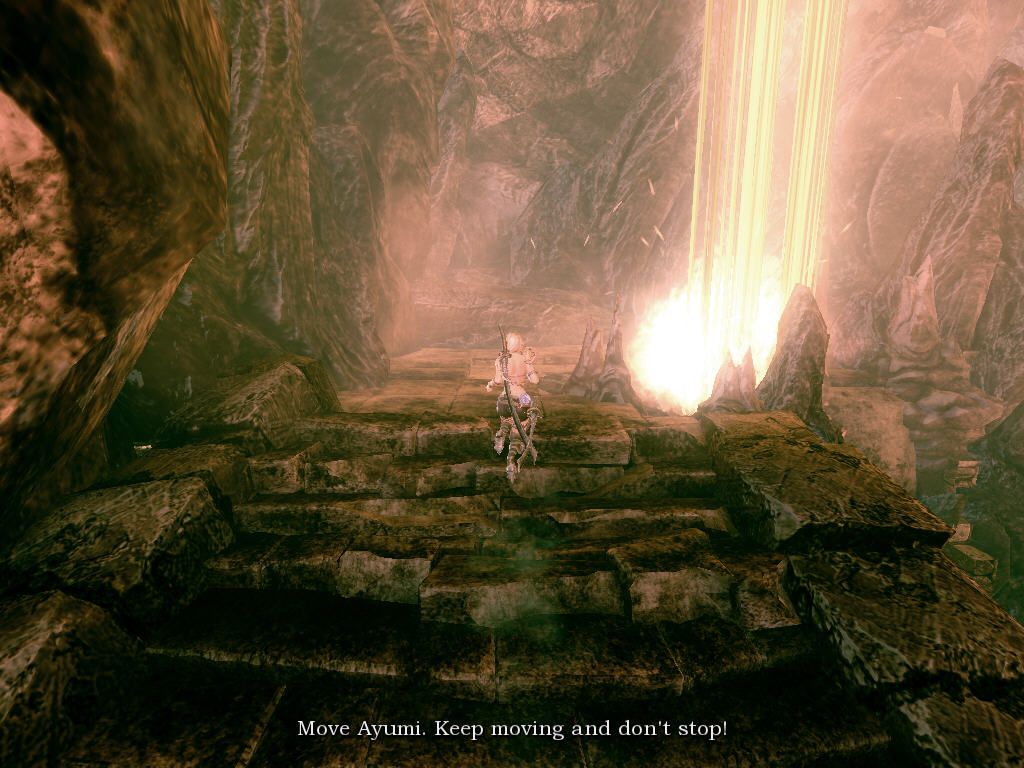
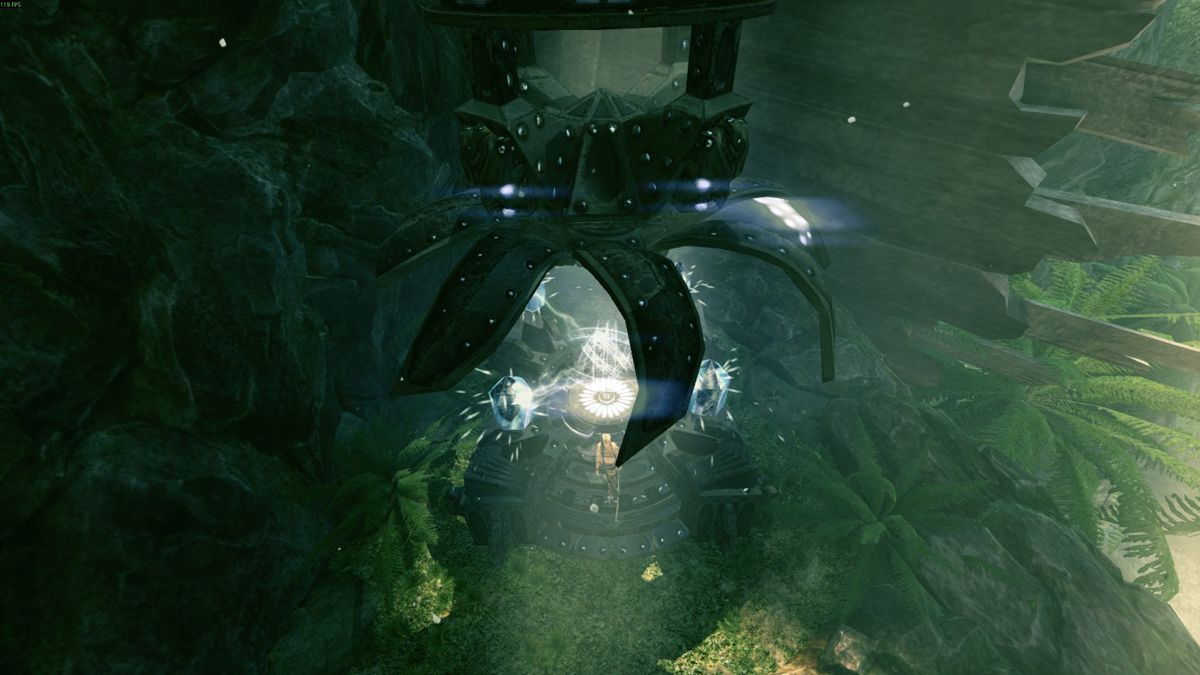
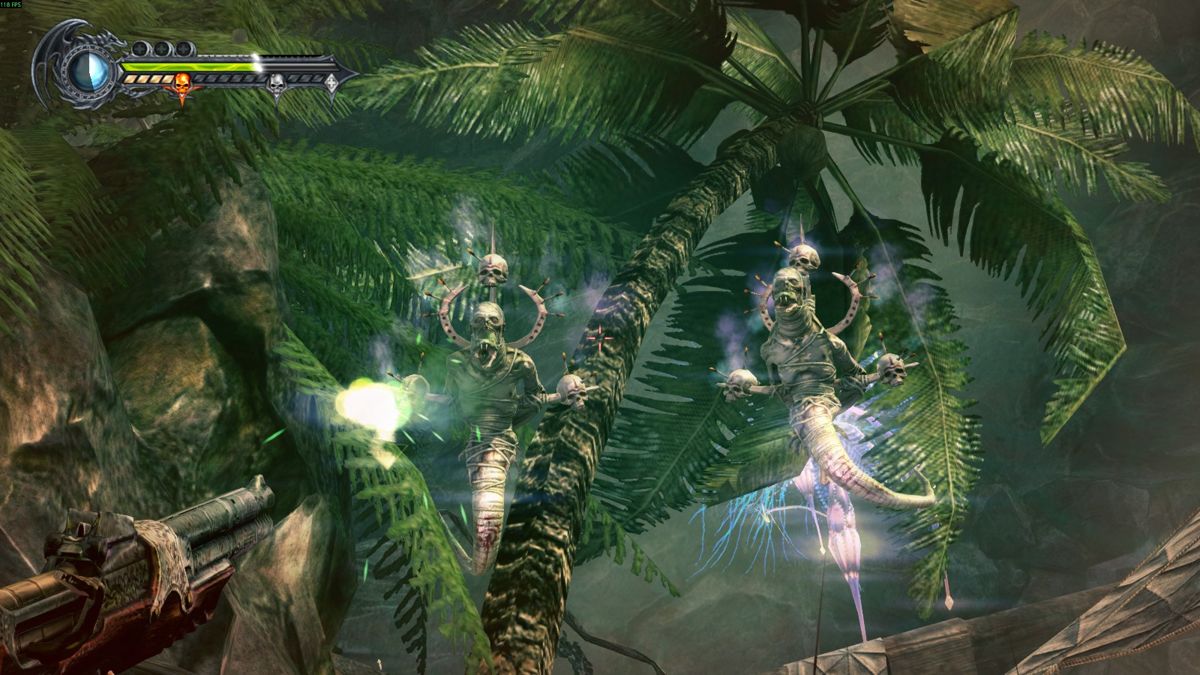
Dragonland is seen from a behind-the-back camera, with Ayumi and crowds of fantasy enemies filling the frame during close-quarters fights. The game’s clearest visual moments come from its exaggerated action: blades flashing through combos, ranged weapons entering the mix, frozen enemies, and huge ice crystals bursting from the ground.
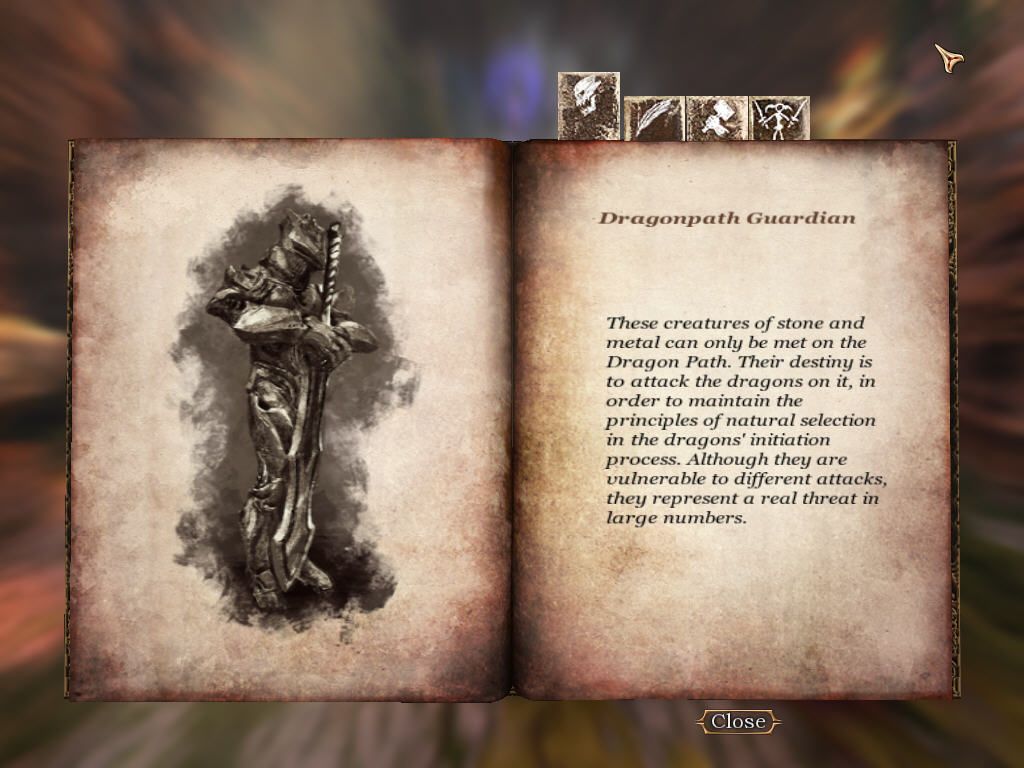
Menus let you manage Ayumi’s four equipment categories and switch back to previously collected gear whenever a particular effect is useful. The compass also creates a visual directional cue when you need to find the route forward.
Story
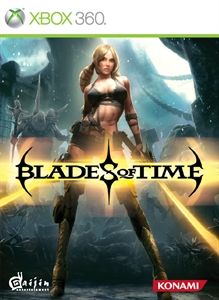
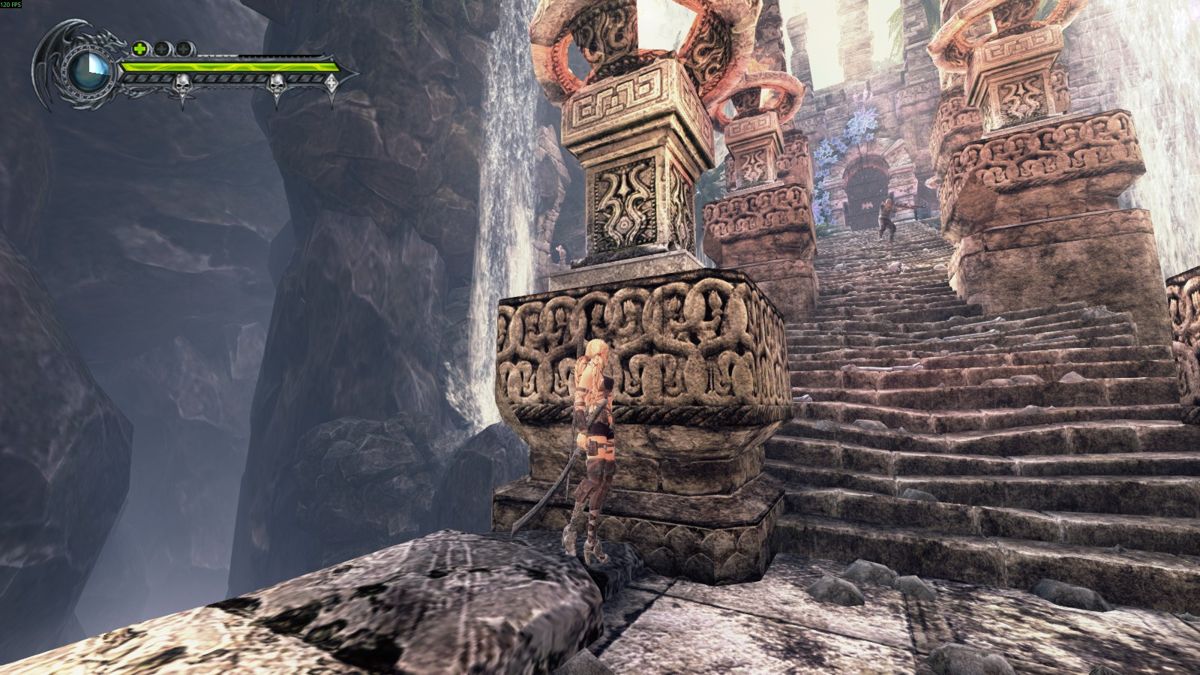
Ayumi is a treasure hunter, and Blades of Time wisely treats that as an excuse for her to be bold, greedy, and constantly in motion. She interrupts a guild rite in pursuit of a sphere, then gets transported to Dragonland. Although it is a spiritual follow-up to X-Blades, this is not a continuation that demands homework; the new adventure stands apart from the previous game’s events.
Dragonland’s chaos magic has warped the environment and brought monsters into the world, but the lore arrives mostly through diary pages left by earlier treasure hunters. These collectibles give the setting a little texture without derailing the momentum. Fellow treasure hunters also appear along the way, though the journey is much more interested in pushing Ayumi toward the next threat than in lingering over its cast.
That makes the story functional rather than gripping. You are here for a sharp-tongued adventurer cutting through a fantasy world, not for an elaborate narrative mystery. The time manipulation has stronger dramatic potential as a gameplay tool than the plot does as a source of emotional stakes, but it still gives the campaign a memorable hook.
Overall Experience
Blades of Time is the kind of uneven action game that can win you over despite itself. Its basic swordplay is loud and fast, the equipment swapping adds welcome experimentation, and the eventual self-cooperative time mechanic gives the campaign an idea many bigger hack-and-slash games would have been happy to claim. When the pieces line up, it feels like a spirited mid-budget answer to God of War-style spectacle rather than a mere imitation.
Its score reflects the inconsistency. A compass-only sense of direction can make progress needlessly awkward, and the story rarely rises above its setup. Yet the ability to pair melee combos with found guns, rage-powered magic, crafting, and rewind puzzles means there is always another system trying to earn your attention.
Give it a chance if you have a soft spot for energetic 2010s action games with a few odd ideas in their backpack. Go in for Ayumi’s movement and the time-clone puzzles, not a polished epic, and the payoff is a surprisingly inventive campaign with enough combat variety to justify the trip through Dragonland. For background on the game’s releases, the Blades of Time history is useful.



Reviews
There are no reviews yet.