 Retro Replay Retro Gaming History, Reviews & Emulation
Retro Replay Review
Gameplay
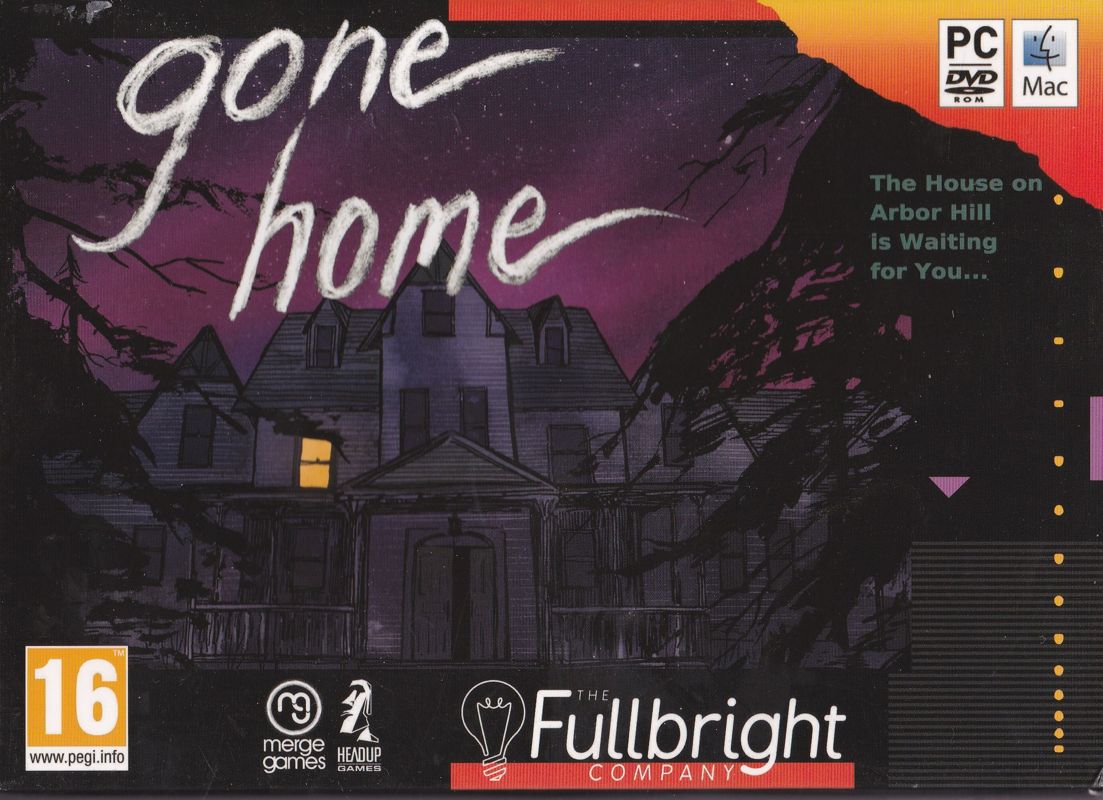
The first hour of Gone Home is built around a very particular nervous curiosity. Kaitlin Greenbriar returns from Europe on June 7, 1995, finds her parents’ house deserted, and sees a note from her sister Sam urging her not to look for her. You are then left at the front door of a big, dark house with the freedom to start anywhere. That freedom is the game’s hook: every closed drawer feels like it might contain nothing, or the one scrap that changes how you read the family.
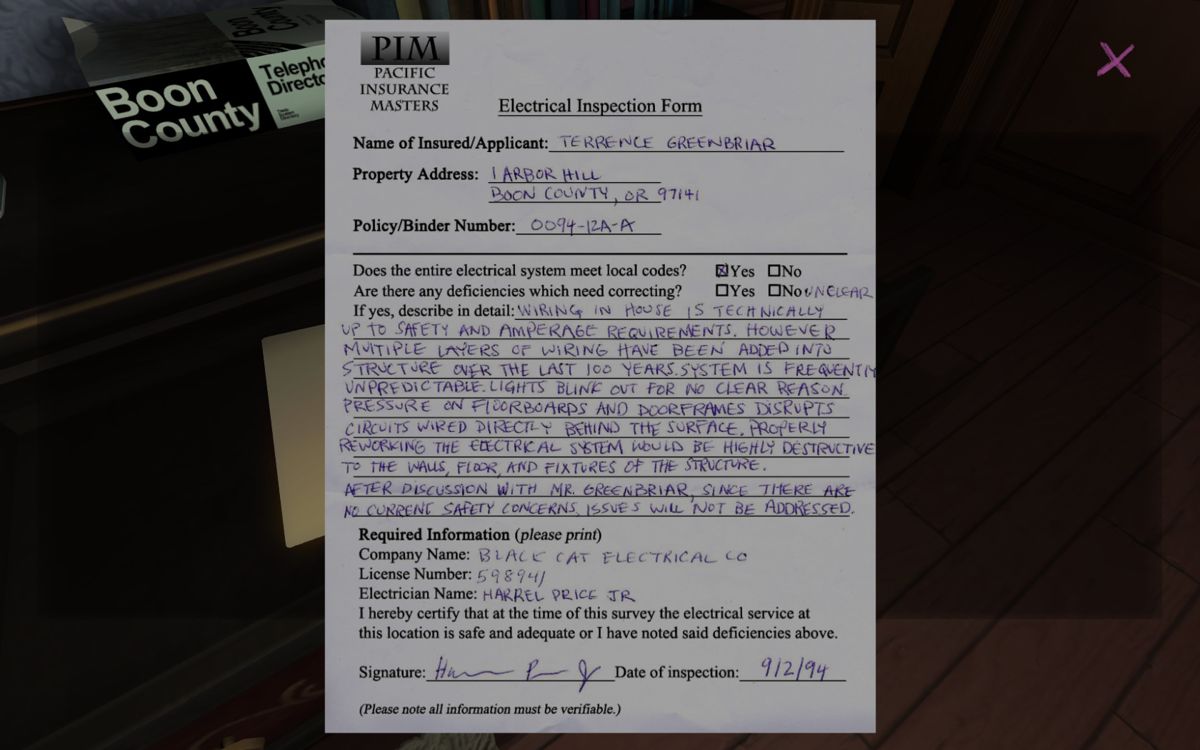
Exploration is deliberately low-pressure. You move through the house in first person, open containers, switch on lights, examine highlighted objects, and use a zoom to inspect them more closely. Notes, bills, letters, flyers, photographs, and other bits of domestic evidence gradually fill in the gaps. Keys open up locked areas and gently push you forward, while the expanding map helps when the house starts to blur together. It is a useful safety net in a game that otherwise trusts you to set the pace.
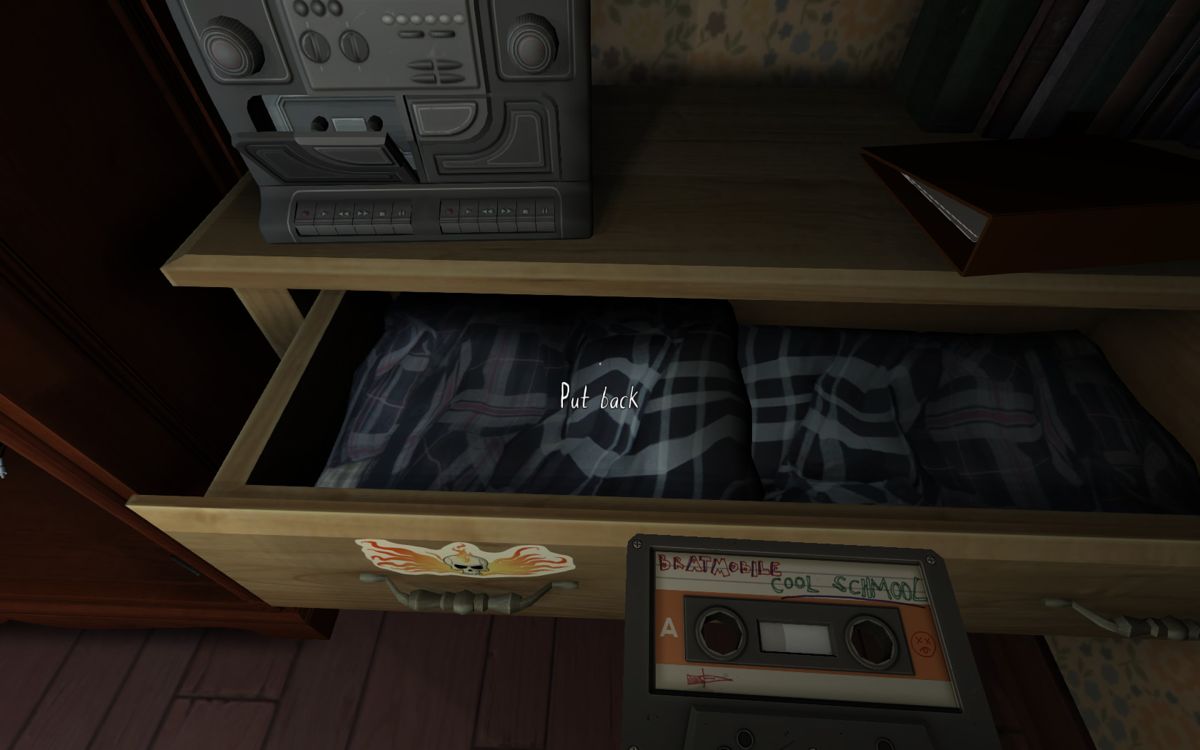
Do not come expecting traditional adventure-game puzzles. Kaitlin can hold a few items, but the inventory is not there for trial-and-error problem solving. You can pick up, rotate, drag, and even toss many objects; you can also do things like put a tape in a recorder. Most of that interaction has no mechanical payoff, and that is both Gone Home’s strongest commitment and its likeliest source of frustration. The house feels lived in because it contains pointless buttons, markers, food, papers, and books, but you may tire of checking objects that are only clutter.
What starts to click is the distinction between searching for a solution and searching for understanding. Key discoveries trigger Sam’s audio diary entries, which can be replayed from a menu, but much of the context remains optional. If you rush toward the next locked door, you can finish with a thinner sense of what happened. Slow down, read the mundane stuff, and let the connections arrive naturally; that is where the game earns its reputation.
Graphics
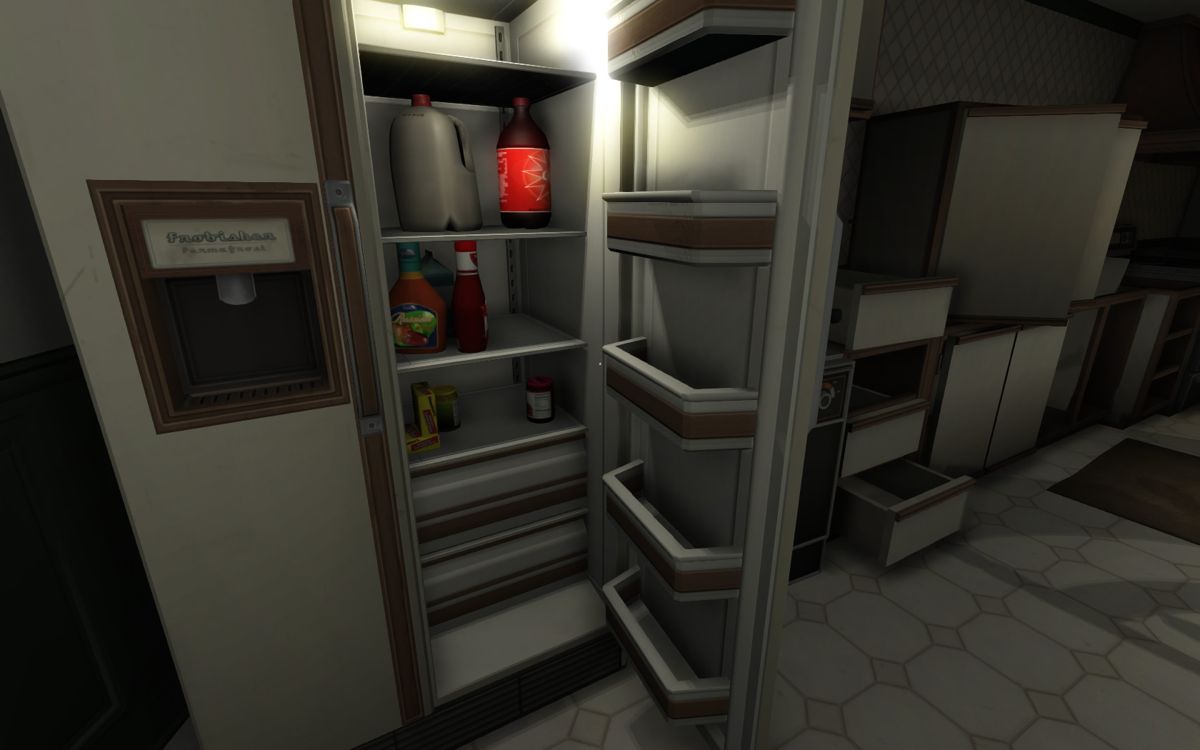
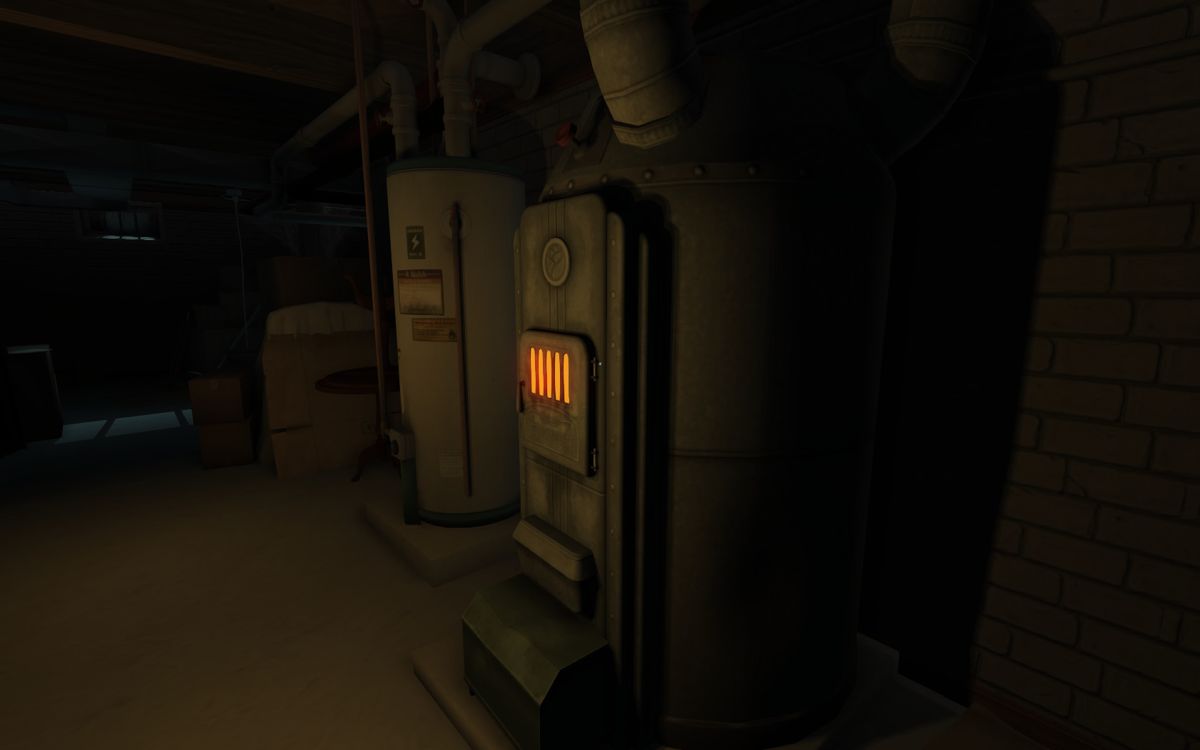
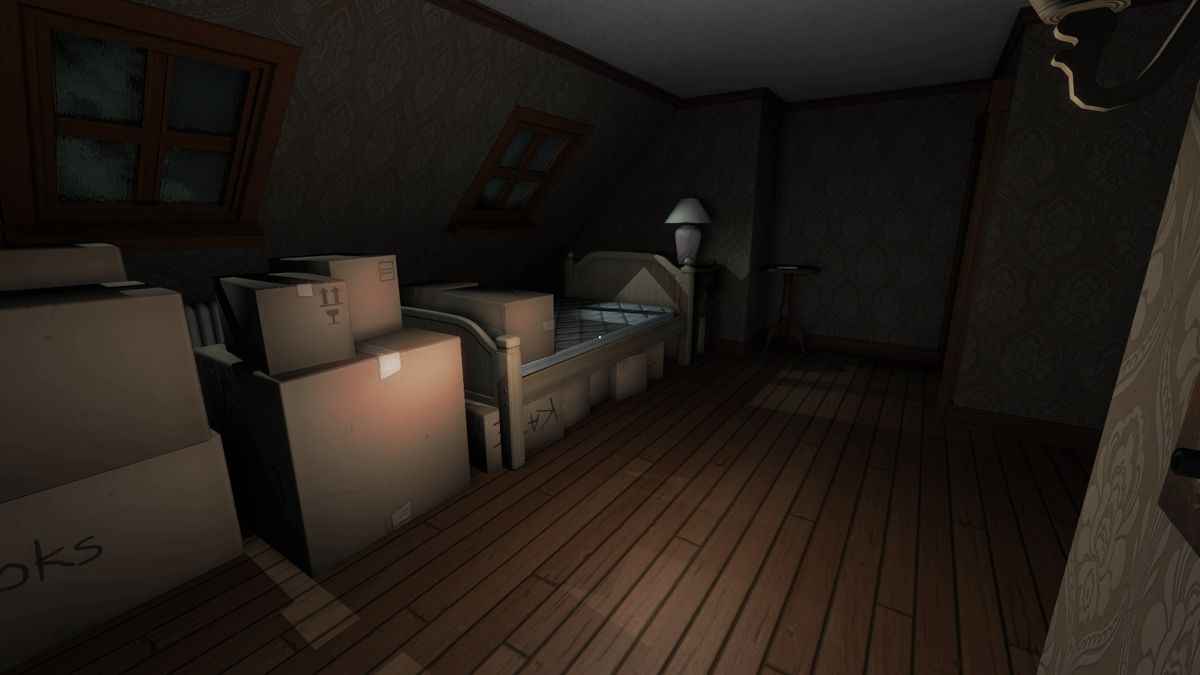
You see the house entirely from Kaitlin’s first-person viewpoint: dark rooms, closed doors, shelves, kitchen appliances, a refrigerator stocked with food, and piles of everyday possessions waiting to be handled. Turning on lights matters, both because the house is largely unlit and because it lets you get a closer look at the small details tucked into each room.
The close inspection is the important visual touch. Being able to rotate letters, photographs, and other objects makes the evidence feel physical rather than like text handed to you by a menu.
Story
Gone Home’s mystery is personal and contained. There is no broad world to tour; the entire story is embedded in one family home and in the absence of the people who should be inside it. Kaitlin’s return gives the search immediate stakes, while Sam’s note gives every new discovery a little tension.
The writing works because it understands that a house can hold several stories at once. The clues are not arranged as cleanly labeled plot checkpoints. A letter, a bill, a photo, or a casually abandoned item can add to your sense of Kaitlin’s parents, Sam, and the life that was happening before the house went quiet. You piece together events rather than being marched through them.
Sam’s recorded diary material gives the investigation an emotional throughline and prevents the experience from becoming a purely detached scavenger hunt. Still, the game asks you to meet it halfway. Since the amount of information you find depends on your own investigation, the emotional payoff is tied directly to your willingness to linger and look.
That approach makes the story more involving than a straightforward sequence of cutscenes, but it also means its impact varies. A careful player can build a rich picture from scattered evidence; an impatient one may see a short walk through rooms with a few locked doors. Gone Home is confident enough to make that trade, and mostly earns it.
Overall Experience
Gone Home is a thoughtful exploration game for anyone who enjoys turning over a place piece by piece and forming conclusions from the things people leave behind. Its best moments are quiet ones: opening an unremarkable drawer, finding a detail that matters, then reconsidering something you saw twenty minutes earlier.
The lack of real puzzles is not a flaw by itself, but it is a clear dividing line. If you want an adventure game that tests your logic with inventory challenges, this will feel slight. If you want a detective-flavored story where attention itself is the main form of play, its refusal to turn every object into a task is refreshing.
There is also a pleasing honesty to its single-house setting. It never needs to scatter your attention across a larger map when the rooms themselves can carry the whole experience. The map, keys, and replayable diary entries keep the investigation from becoming needlessly awkward, while the non-linear layout lets you own the rhythm of the search.
At 7.5, Gone Home is an easy recommendation with the right expectations: settle in, investigate thoroughly, and treat the ordinary mess of a family home as the point rather than the downtime. For more on the game, visit the official Gone Home page.



Reviews
There are no reviews yet.