 Retro Replay Retro Gaming History, Reviews & Emulation
Retro Replay Review
Gameplay
The first stretch of Silver Ghost has a strong sense of escalation. Controlling Lancelot alone gives the adventure a personal, RPG-like footing, but that footing does not last long. He becomes a team leader, then one commander among several, and the game steadily asks you to think beyond the character currently under your thumb.
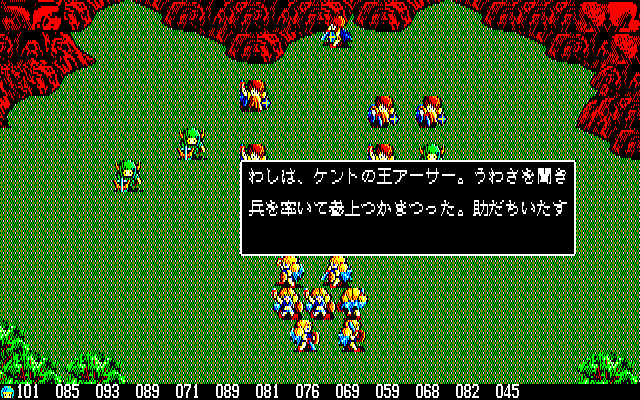
Its “mixed-up characters” system is compelling because it refuses to make you either a pure tactician or a lone hero. You physically guide the leader through connected overhead areas and take responsibility for that character in real-time combat, while the rest of the team handles its own fighting. That division creates a welcome tension: you are active in battle, yet the most important choice may have happened beforehand when you picked the squad.
Team composition and equipment are the heart of the challenge. Every member carries individual statistics and gains levels through victories, so recruits are more than anonymous bodies. You need to judge what lies ahead and build accordingly, which makes success feel earned when a well-chosen group handles its business. Frustration can set in when an upcoming fight exposes a weak setup, but that is also where the strategy has teeth.
Switching between teams at almost any time gives the campaign a broader command-game rhythm than its direct leader control initially suggests. It is an ambitious hybrid, and it asks you to stay mentally organized as the number of soldiers rises into the dozen-plus range. If you like real-time battles with party-building consequences, Silver Ghost offers a more involved alternative to simply marching one overpowered hero through enemies.
Graphics
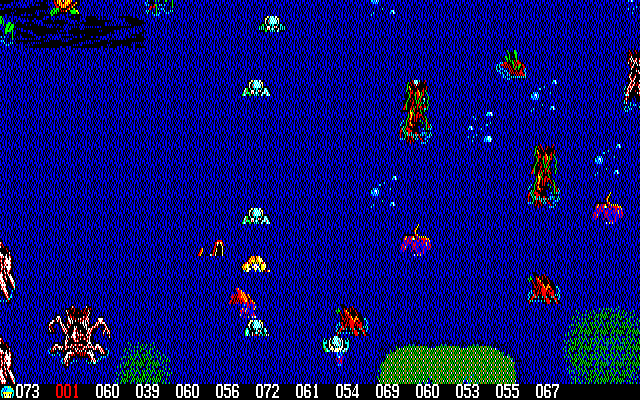
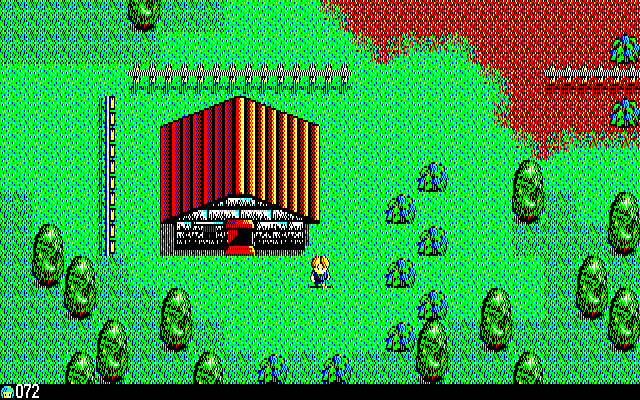
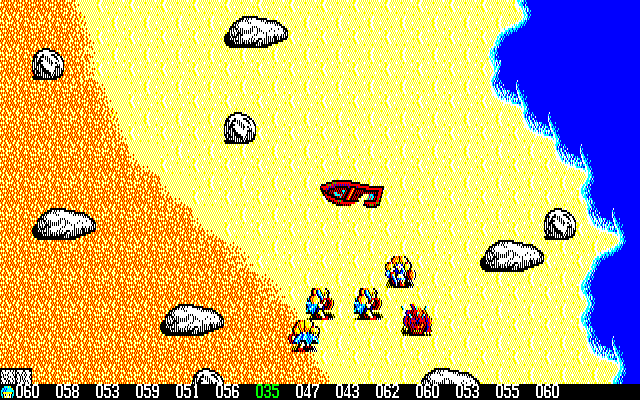
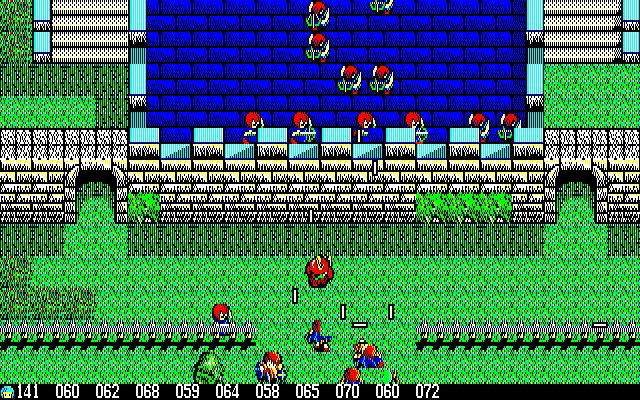
Silver Ghost uses connected overhead areas for exploration and battle, keeping your active team and its movement in view from above. The fantasy framing and anime/manga genre fit the prince-led army adventure, while the top-down viewpoint suits the need to move a leader and keep track of separate teams.
Story
This is Camelot with the names and stakes rearranged rather than a straight retelling. Lancelot is a prince, not a knight, and the opening grievance is immediate: a demonic magician kills his father and overruns the country with minions. You know exactly why the march toward the enemy stronghold matters.
That clean revenge-and-reclamation setup works especially well with the game’s expanding-scale structure. Lancelot does not just travel toward an antagonist; he assembles the army needed to take back a fallen homeland. The story’s central promise is therefore closely tied to the act of recruiting, training, and leading others.
Do not come in expecting the familiar Camelot legend to dictate the tone. Silver Ghost uses Lancelot as a launch point for a fantasy war campaign, and that freedom gives its basic quest a direct, gameable purpose. The more your forces grow, the more naturally the prince’s personal loss turns into a national counterattack.
Overall Experience
Silver Ghost is at its best when a decision about people and gear pays off in a live fight. It turns party management into something more urgent than a menu exercise because the leader still has to step into the fray and because several teams can demand your attention. That blend remains its defining strength.
The game will not suit anyone who wants complete manual control over every combatant, nor anyone who wants strategy stripped down to quick, consequence-free action. Automated allies mean you must trust your preparation. The payoff is a pleasing command fantasy: your army’s competence reflects the choices you made before steel starts flying.
For RPG fans who enjoy statistics, leveling, and squads, and for tactics fans willing to work with real-time automation, this is an easy recommendation. Silver Ghost’s premise may be familiar, but its shifting focus from one prince to multiple teams gives the campaign a distinctive pull. Stick with the early solo footing until the army begins to take shape; that is when the game’s hybrid design starts to click.


Reviews
There are no reviews yet.