 Retro Replay Retro Gaming History, Reviews & Emulation
Retro Replay Review
Gameplay
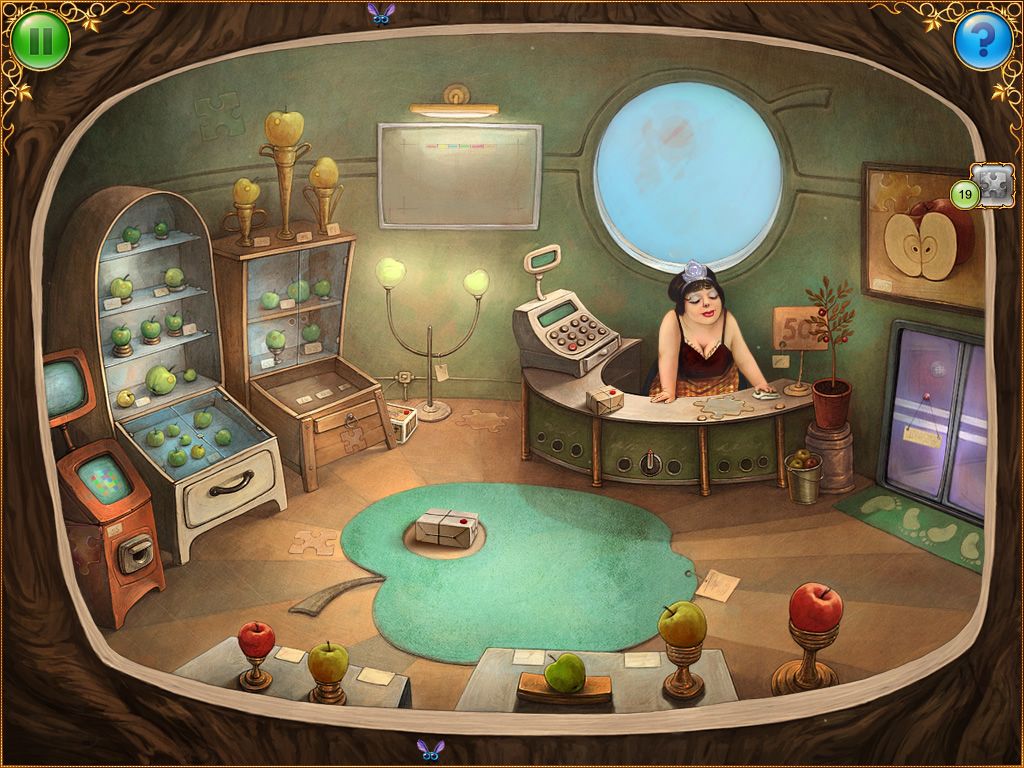
The first hour pulls you in through simple curiosity. Tiny Planet has been blown apart by a meteor, and every connected screen looks like a place worth poking at for one more missing fragment, gear, bulb, wrench, or ball. You are not just clearing a single object list: several jobs can sit in progress at once, so an overlooked item in one corner may eventually feed a device elsewhere.
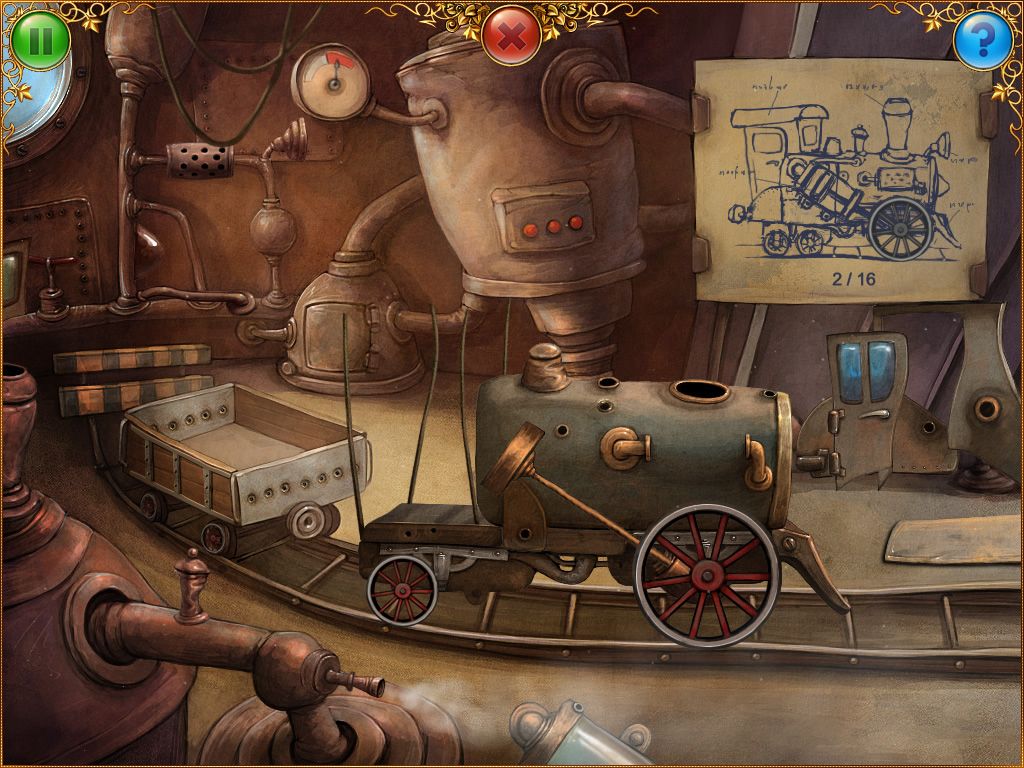
That structure gets more satisfying once you understand its loop. You gather the scattered puzzle pieces needed to restore the chapter on the world map, but mechanisms and access puzzles hold back parts of each area. A chest, locked room, or inactive contraption can turn a casual search into a proper obstacle course. Dragging the required parts from the side column into a mechanism is a clear, satisfying payoff after you have finally assembled its set.
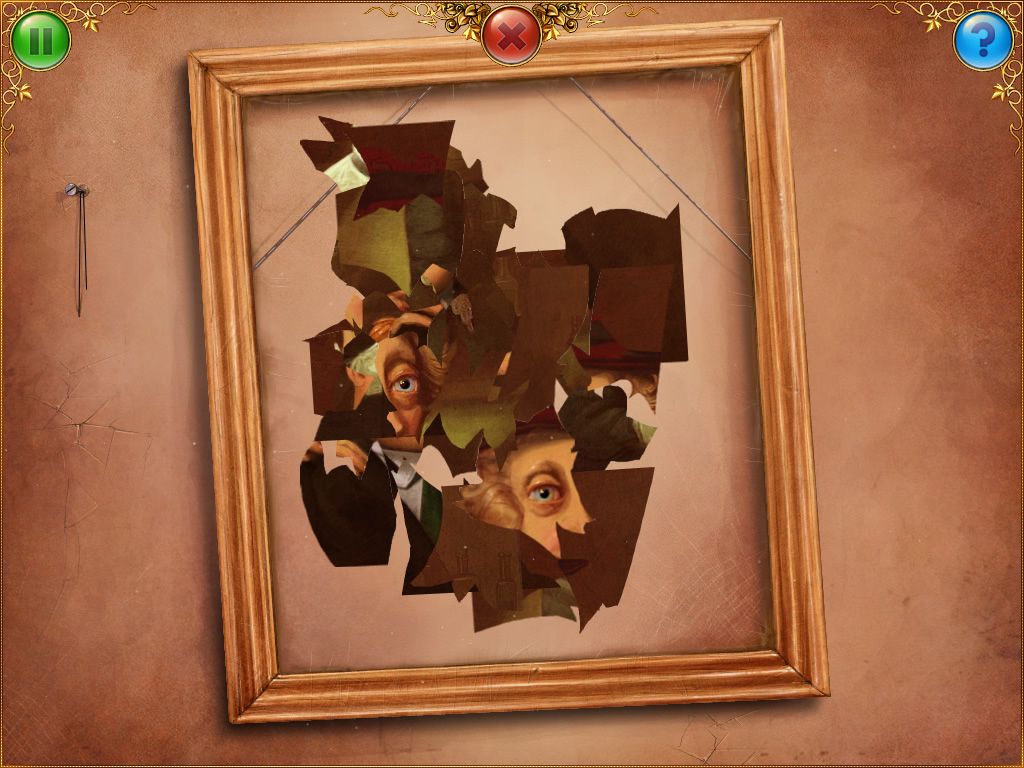
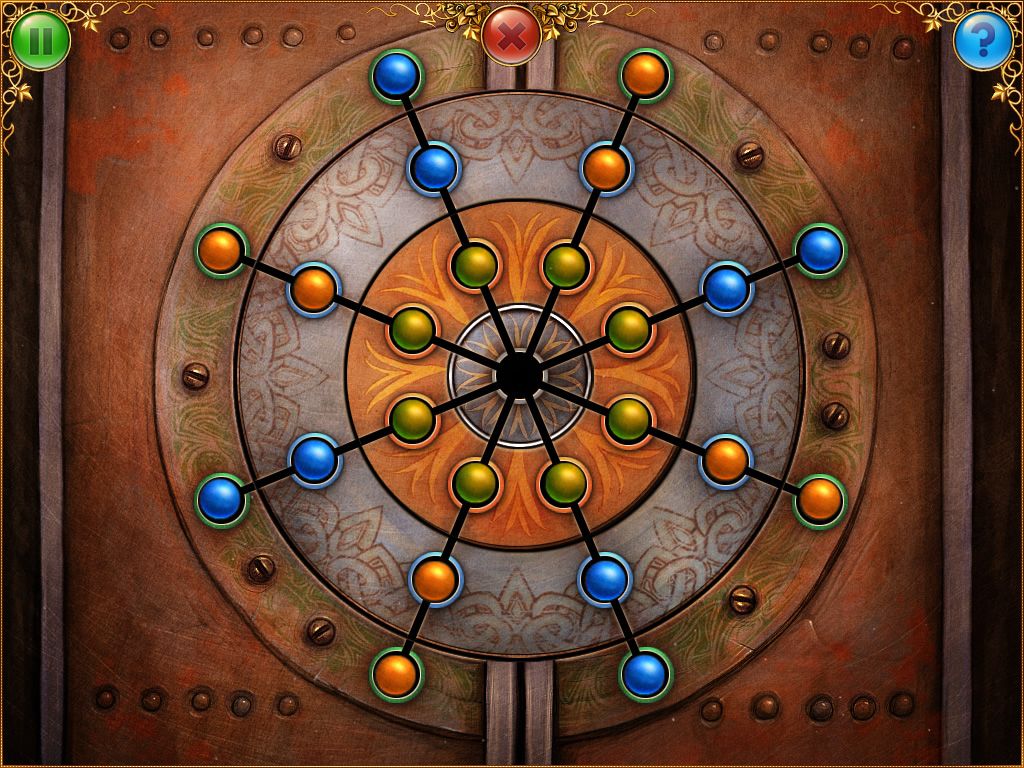
The stronger moments come from the more involved puzzles: number sequences, arranging balls, repairing pipes, and reassembling a torn picture break up the constant clicking. They give the game a needed sense of problem-solving beyond simply spotting objects. The catch is that objects can be visible from the start yet unavailable until you have discovered the device that wants them, so revisiting screens is mandatory rather than optional. That can feel clever when you remember where something was, and aggravating when you do not.
The firefly hints are useful but deliberately expensive. Each screen supplies blue fireflies, and you need 30 to earn a red one that points out a hidden object; puzzle hints briefly show a solution blueprint. This makes a clue feel like a resource rather than a reset button. Use it when you are truly stuck, not because one fragment has resisted a quick scan, or the process of charging it will become another source of waiting.
Graphics
The game is built from connected, object-packed scenes on a broken little planet, with no visible protagonist occupying the screen. That focus suits the hidden-object format: your attention stays on the scattered parts, locked spaces, and machinery you are trying to put back into working order. The reconstructed world map also gives each completed chapter a concrete visual reward.

Story
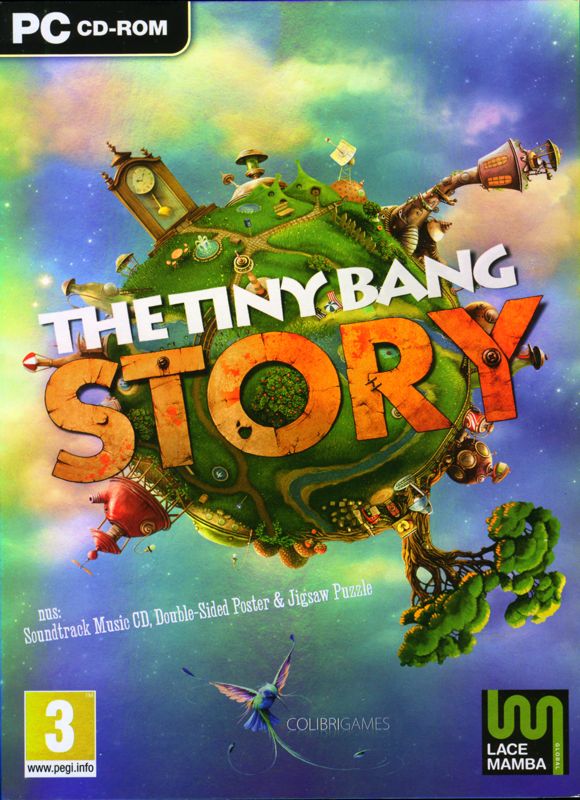
The story is a light frame, but it fits the activity well. A meteor shatters Tiny Planet, and your job is to put it back together across five chapters. Rather than pushing a character drama, it makes restoration itself the point: every recovered fragment contributes to a larger place becoming whole again.
Not having a visible protagonist gives the game an unusual, hands-off feel. You are an unseen presence moving from screen to screen, interpreting mechanisms and deciding what deserves another look. That leaves plenty of room for the world’s broken state to drive the momentum, though it also means you should not come expecting a plot full of personalities or major turns.
The chapter-end act of placing collected pieces onto the main map is the story’s best gesture. It turns all that scavenging into evidence of progress, rather than a pile of arbitrary collectibles. For a puzzle adventure this slight, that is enough: the goal remains easy to understand, and the work of repair gives the journey a quiet through-line.
Overall Experience
The Tiny Bang Story is most enjoyable when you settle into its unhurried rhythm instead of trying to force a rapid clear. Search carefully, remember objects that looked unusable earlier, and let the larger puzzles provide breaks from the hidden-object work. The five-chapter structure keeps the task focused, while the gradual restoration of the map gives it a satisfying destination.
Still, this is a game that asks for patience more often than it earns it. Hunting every last piece can cross the line from observant to tedious, particularly because progress sometimes depends on returning to an old screen after triggering a newly relevant mechanism. The hint system prevents complete paralysis, but its 30-firefly cost means it is not a comfortable answer to frequent frustration.
Give it a chance if you like the meditative side of hidden-object games and want more substantial puzzles woven into the search. The payoff is a compact reconstruction journey with enough variety to stay engaging when its clues are clicking. Skip it if you need brisk pacing, direct guidance, or a story with a cast to follow; this is a quiet game about looking closely, getting stuck occasionally, and enjoying the moment a scattered world finally fits together.


Reviews
There are no reviews yet.