 Retro Replay Retro Replay gaming reviews, news, emulation, geek stuff and more!
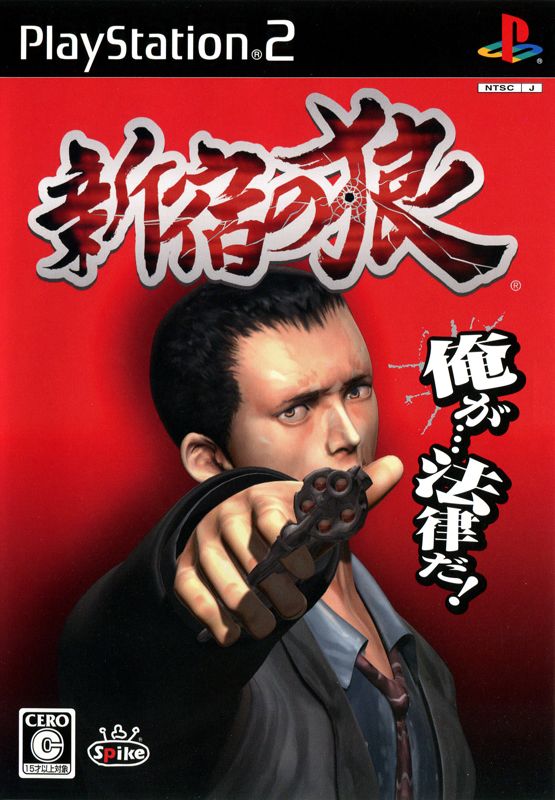
Retro Replay Review
Gameplay
The first hour has a strong, slightly unruly pull. You are not just a detective following a straight line from briefing to shootout; you are loose in a fictional Shinjuku with cars, bicycles, shops, side activities, and streets worth patrolling for arrests. That freedom matters because the central case—recovering weapons scattered after a failed smuggling deal—gives the city a clear sense of danger without turning every minute into the same chase.
Eiji is at his best when the game lets you act like a cop with a short fuse rather than a generic action hero. Standard punches and kicks sit alongside jump-kicks, elbow drops, intimidation, interrogation, and several arrest options. Pistols and larger explosives broaden the possibilities, but the civilian-harm rule stops you from treating the city like a disposable playground. Hurt too many innocents and Eiji loses his badge immediately. It is a harsh consequence, yet it gives every violent decision weight.
That tension is also where frustration can set in. A game over for collateral damage asks you to stay alert in situations where force is available and tempting. Returning to the station to restore Eiji’s standing by hammering through apology letters is funny in concept and fittingly undignified for a supposedly feared detective, but it can feel like penance rather than a reward. Still, the system gives the game a personality most open-world action games lack: being reckless is not just inefficient; it is professionally embarrassing.
The downtime is more than filler if you enjoy inhabiting a city between assignments. Buying food or clothes, getting a haircut, visiting pachinko halls and mahjong clubs, or taking swings at a batting center gives Shinjuku a welcome everyday texture. If you only want tightly paced action missions, these distractions may not hold much interest. If you like stepping off the case for a few minutes before heading back into danger, they help Eiji feel like he works in a place rather than merely fights through levels.
Graphics
The behind-view camera keeps Eiji at the center as he moves through a fictionalized Shinjuku, whether he is on foot, on a bicycle, or behind the wheel of a car. The most memorable visual contrast comes from that ordinary city life surrounding a detective who can suddenly break into a fight or make an arrest: stores, gambling spots, and the batting center share space with the crime-ridden streets.
Story
The case starts with a clean, effective spark: an undercover officer investigating gun smuggling is exposed and killed, then a deal collapses and weapons spill across Shinjuku. It is a sturdy police-action setup, and it gives Eiji a practical objective that is easy to care about. The city’s rising crime is not an abstract threat; the missing weapons explain why his job keeps pulling him into confrontations.
Eiji himself carries the premise. At 36, known as the Wolf of Shinjuku and infamous for his own brand of justice, he fits the hard-boiled detective mold without pretending to be a spotless public servant. The best story wrinkle is that his reputation has rules. He may be intimidating and aggressive, but he is still accountable when civilians suffer, and the badge-revocation rule makes that accountability part of the drama rather than background flavor.
Do not expect the plot to distract from the streets for long. The story is built to push you through missions involving criminals and arrests, while the city activities provide the breathing room between them. That focus works: the gun-smuggling crisis supplies urgency, and Eiji’s messy methods give the action a sharper edge than a standard vigilante tale.
Overall Experience
Shinjuku no Ōkami is worth trying for its particular version of open-world police action. It borrows the broad freedom associated with crime sandboxes, then makes you answer for behaving like their usual chaos-loving protagonist. The result is a game where a successful arrest can feel more satisfying than simply winning a fight, because you have kept control when the situation invited excess.
Its oddest details are its best ones. An intimidating detective having to go back to the station and write apology letters after misconduct is exactly the kind of consequence that turns a familiar action setup into something memorable. The recreational stops also make the city feel less like a string of mission markers and more like Eiji’s working neighborhood.
Give it a chance if you want a Japanese urban action game with room to roam and a protagonist who has powers, weapons, and limits in equal measure. Skip it only if the idea of policing your own collateral damage—or occasionally repairing your reputation through a button-mashing apology exercise—sounds more irritating than amusing. For everyone else, Eiji’s beat offers a rough, distinctive spin on the open-world cop fantasy.


Reviews
There are no reviews yet.