 Retro Replay Retro Replay gaming reviews, news, emulation, geek stuff and more!


Retro Replay Review
Gameplay
The first hour asks you to settle into a different rhythm from a conventional adventure game. You watch video or read text, then make decisions at key moments; the immediate hook is that your choice does not just belong to one isolated route. Five people are trying to make it through the same day, and progress depends on getting each of them safely to the end of an hour.
What starts to click is the cross-perspective structure. Red text lets you shift to another character’s point of view, so the game encourages you to stop treating a stalled scene as a dead end and start asking whose story might contain the missing context. That back-and-forth gives the branching narrative real momentum. You are not simply reading five separate stories in sequence; you are working out when and why to leave one thread for another.
Blue text offers explanations of terms and events, a useful touch in a story with several converging plots. It is there for the gamer who wants to linger on the details rather than rush to the next decision. Combined with the hour-by-hour chapter structure, it makes 428 feel methodical without becoming passive.
Frustration can set in if you want instant forward motion. A route that cannot yet reach its hourly endpoint means you need to reconsider choices or change perspectives, and that requires patience. But that is also the point of the design: consequences have to be traced across the larger web. If you enjoy visual novels that ask you to pay close attention, the payoff is a satisfying sense that you helped a complicated day hold together.

Graphics
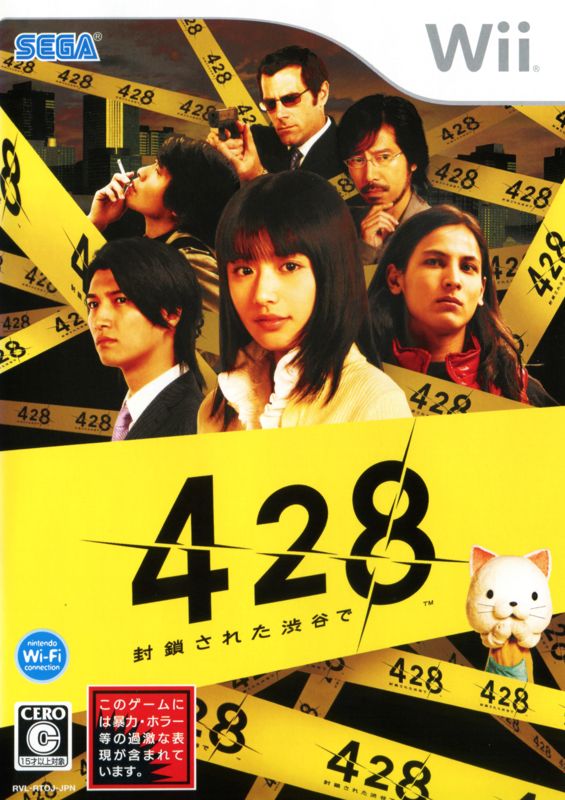
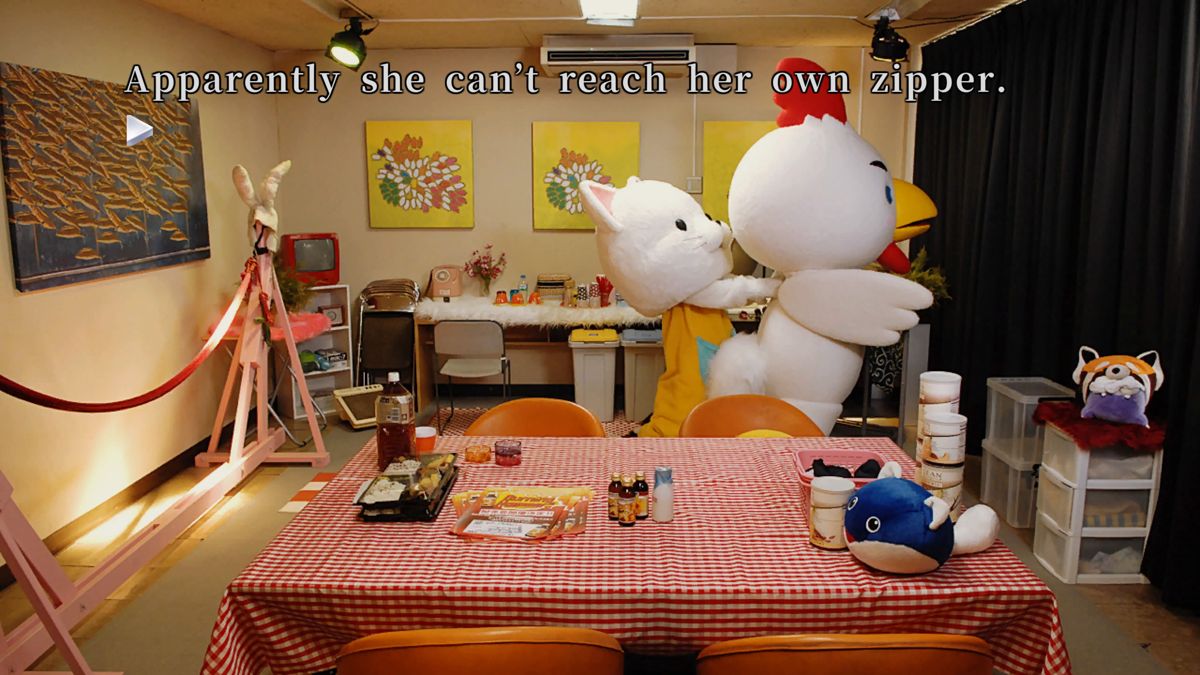
The game uses live-action video alongside its text, putting real performers and Shibuya locations in front of you rather than illustrated character portraits. That gives the intersecting stories a grounded, street-level feel, especially as the viewpoint shifts among the five leads.

Story
A kidnapping victim, a missing virus, a girl fleeing a killer, and a magazine nearing collapse make for a crowded opening hand. 428: Shibuya Scramble earns that density because all four plotlines occupy one day and one Tokyo district. Shibuya is not merely a backdrop here; it is the shared space that allows separate lives and emergencies to collide.
The strongest narrative idea is that these people would be unlikely to succeed—or even survive the day—without outside intervention. Your decisions become that intervention. It is a smart way to make branching choices feel tied to the stakes of the fiction rather than like detached route selection.
Switching viewpoints through red text also gives the mystery a practical shape. Instead of being handed one authoritative account, you assemble the day from partial experiences. That makes the story especially inviting if you like detective fiction built around connections, timing, and the knowledge one person has that another lacks. For background on the game’s history and releases, see this overview of 428: Shibuya Scramble.
Overall Experience
428: Shibuya Scramble is an 8/10 visual novel because it makes its branching structure matter. The pleasure is not just in reaching the next scene; it is in noticing that another protagonist’s path may hold the answer, then returning with a clearer sense of how the day fits together.
Come to it for an involved, text-led mystery rather than fast action. The live-action format and the busy collection of plots give it a distinctive flavor, while the hour-by-hour goals stop the sprawling setup from feeling completely shapeless. You need to be willing to read, revisit, and follow the threads where they lead.
It will not suit you if you prefer adventure games with constant direct control or stories that stay with one lead. For everyone else, this is a sharply structured day-long thriller: dense enough to demand concentration, but built around a perspective-switching hook that rewards it.



Reviews
There are no reviews yet.