 Retro Replay Retro Gaming History, Reviews & Emulation

Retro Replay Review
Gameplay
The first mission gets to the point quickly: George Washington sends Connor from New York toward West Point to deal with spies, and the DLC settles into a compact run of investigation and assassination work. That directness is refreshing after a larger game. You are not being asked to learn a new system or commit to a lengthy campaign; you are handed a problem, a target, and a short route through it.
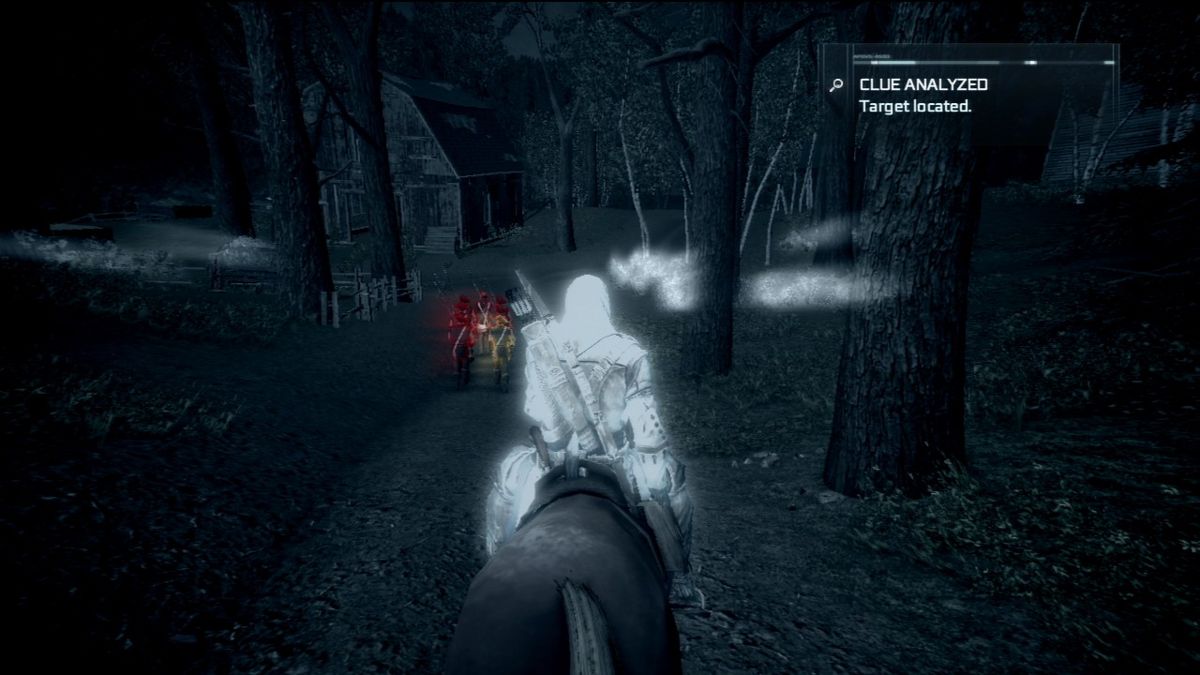
The strongest stretch is the spy work. Using Connor’s special vision to identify enemies, listening to conversations, and following suspects fits the assassin fantasy well because it asks for a little patience before the blade comes out. These are familiar Assassin’s Creed activities, but they make more sense in this tightly framed military conspiracy than they sometimes do as scattered checklist tasks.
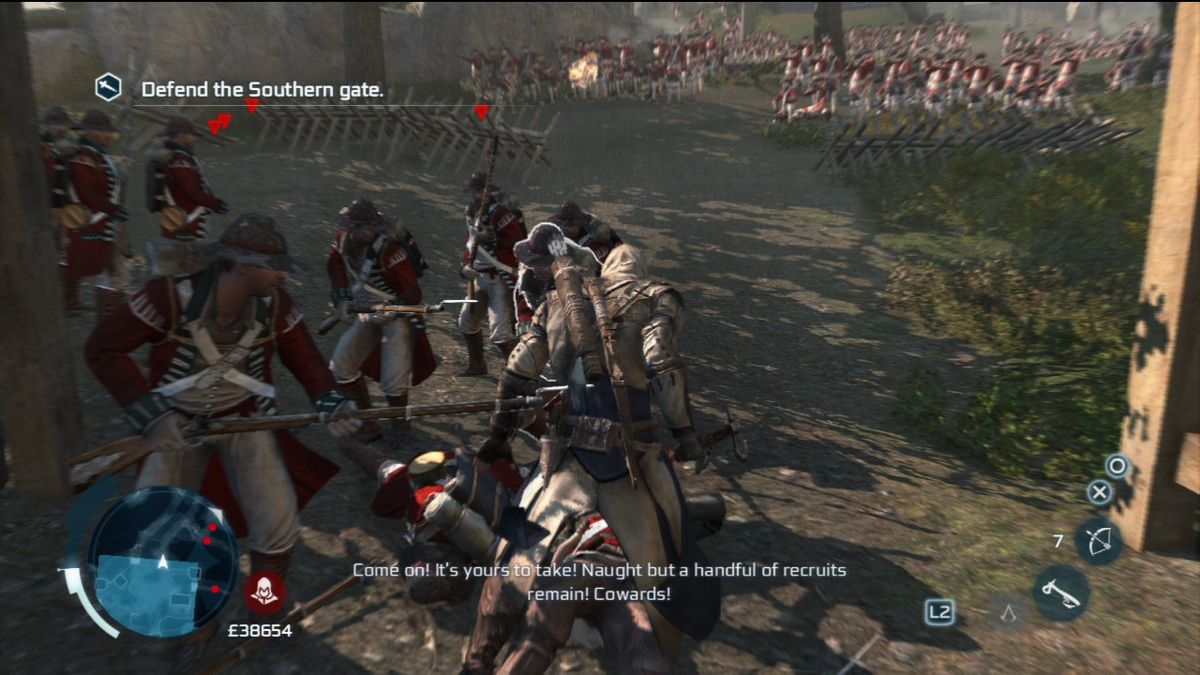
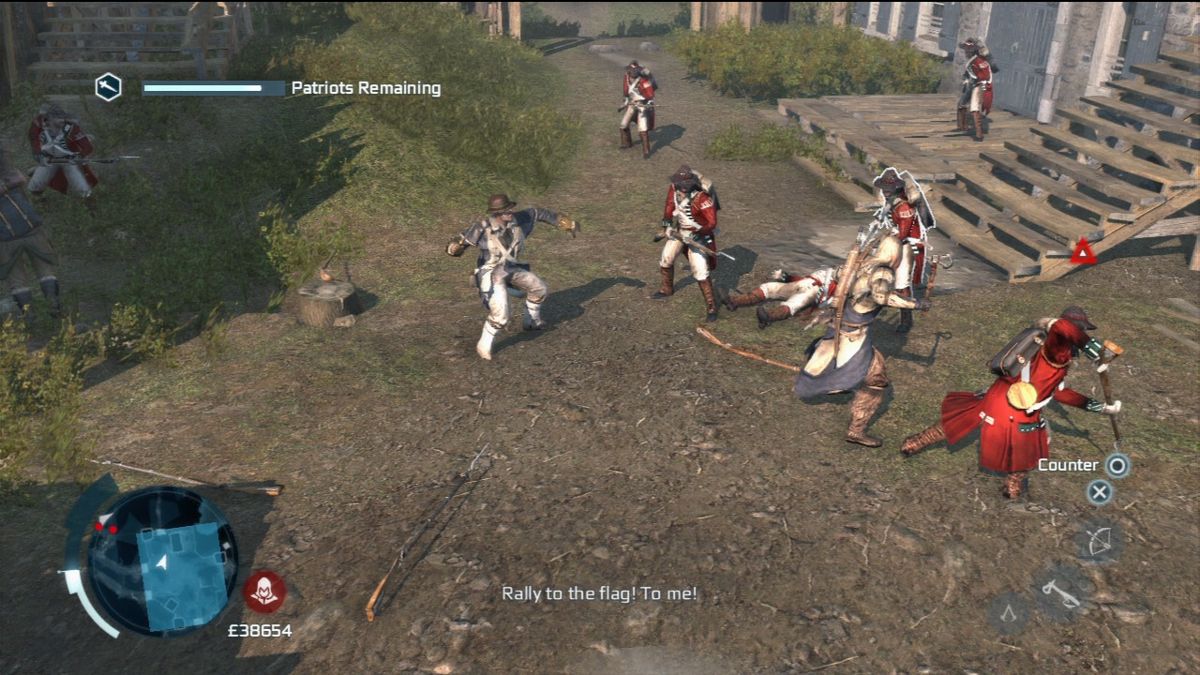
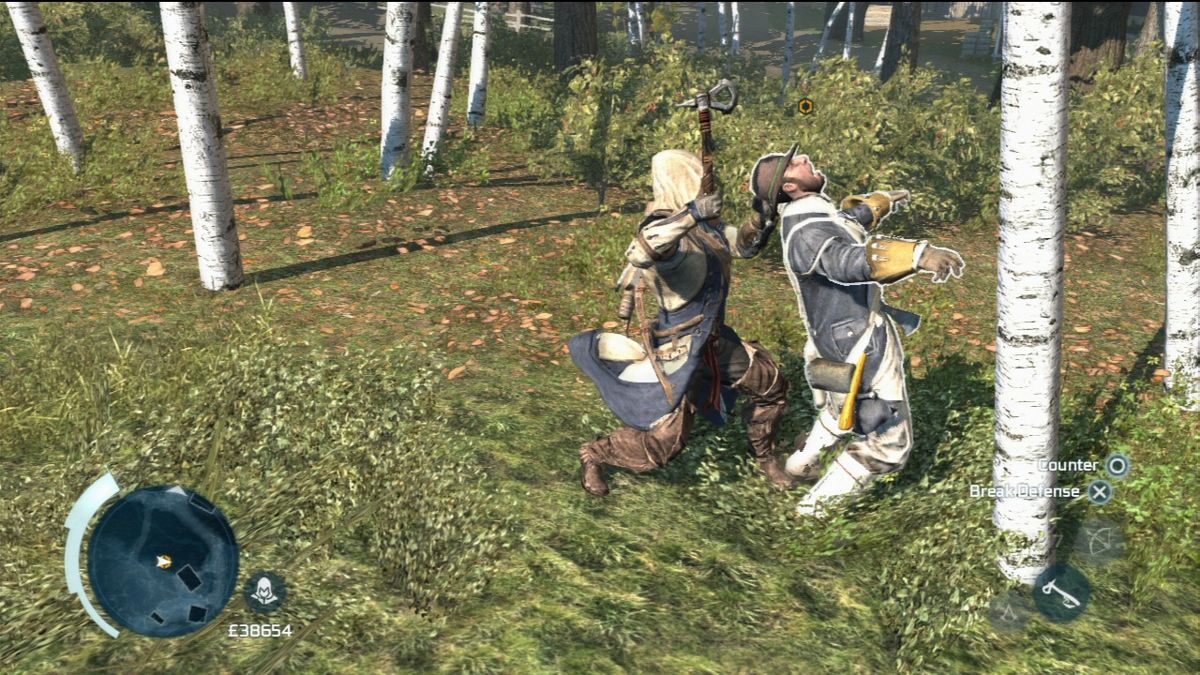
Stealth is the key expectation here. The missions repeatedly steer you toward silent takedowns, so this is better suited to anyone who enjoys observing a target and moving at the right moment rather than charging straight into every encounter. The closing British assault on West Point changes the rhythm, giving the short story a more openly defensive finale instead of ending on another tailing assignment.
The drawback is simple: four missions and around an hour leave little room for escalation. Just as the investigation begins to feel like it could widen into a more involved operation, it is already resolving. Think of it as a concentrated mission pack, not a lost campaign-sized piece of Assassin’s Creed III.
Graphics
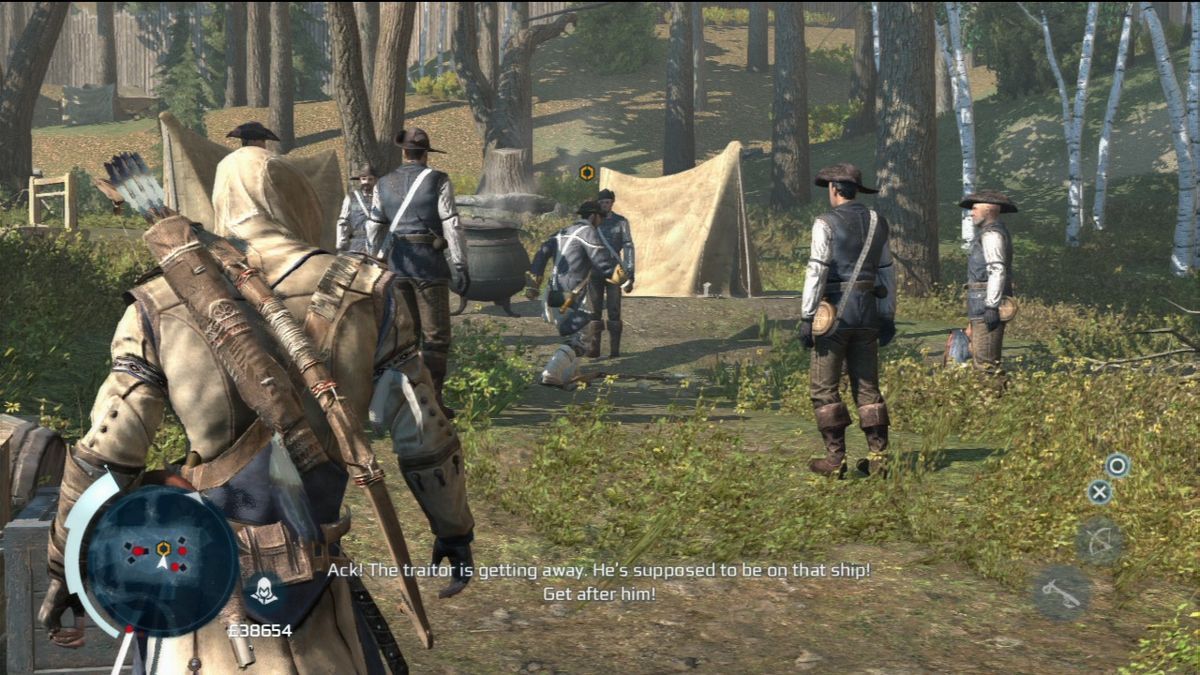
West Point and its surrounding New York setting give this episode a specific historical backdrop, while Connor’s special vision is used directly to pick spies out from the people around them. The visual focus is functional: finding the person you need before you decide how to approach them.
Story
This is a clean, self-contained Revolutionary War intrigue: Washington worries about spies at West Point, Connor reluctantly takes the assignment, and Benedict Arnold sits at the center of the betrayal. That premise carries the DLC because it gives each investigation a clear sense of purpose. You always know why Connor is listening, following, or eliminating someone.
The story benefits from not overcomplicating its historical subject. Arnold’s treachery supplies immediate stakes, and West Point is an effective place to stage them. Connor’s reluctance to accept Washington’s request also gives the opening a small bit of friction instead of making him feel like a passive errand-runner.
Still, the brevity means the plot is more of a sharp historical episode than a deeply developed character piece. It delivers the outline of a conspiracy and a confrontation, then moves on. That is satisfying if you want a compact add-on with a recognizable historical hook, but not if you are hoping for major new depth for Connor.
Overall Experience
Benedict Arnold works because it does not pretend to be bigger than it is. It offers a short string of stealth-led missions with a strong historical frame, then closes with an assault on West Point. The pacing makes it easy to enjoy in one sitting, especially if you are returning to Assassin’s Creed III and want a focused side chapter rather than another sprawling commitment.
Its biggest frustration is also its defining trait: it is over quickly. There is enough here to make the spy hunt engaging, but not enough time for the missions or story to become essential. The payoff is worth it for fans who like tailing, eavesdropping, and quiet assassinations more than broad exploration.
For a related edition of the main game, see Assassin’s Creed III (Famitsu DX Pack). This add-on is easiest to recommend as a concise companion piece: a competent hour of espionage and historical betrayal, with just enough variety to avoid feeling like one repeated objective.


Reviews
There are no reviews yet.