 Retro Replay Retro Gaming History, Reviews & Emulation

Retro Replay Review
Gameplay
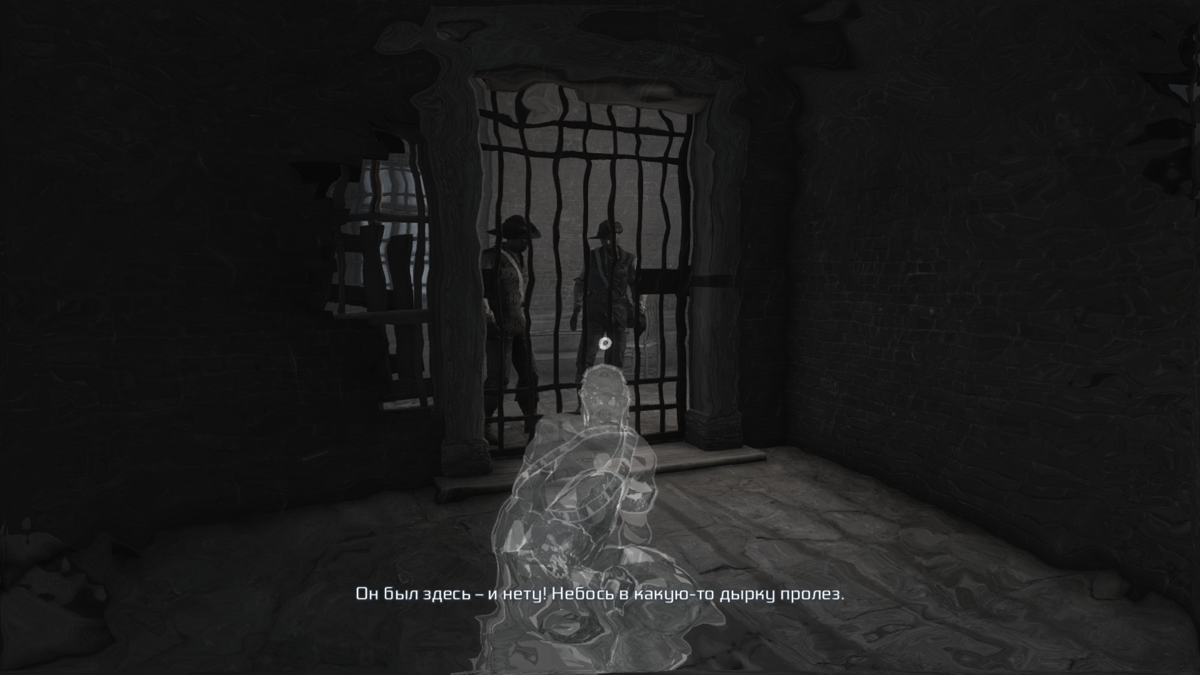
The Betrayal opens with Ratonhnhaké:ton in captivity, which immediately gives the episode a useful sense of momentum. You are not simply returning to familiar Assassin’s Creed III territory for another detached mission; the task is to escape Boston and reconnect with a resistance. That is a clean, easy-to-grasp setup, and it gives the chapter more urgency than its position as middle episode might suggest.
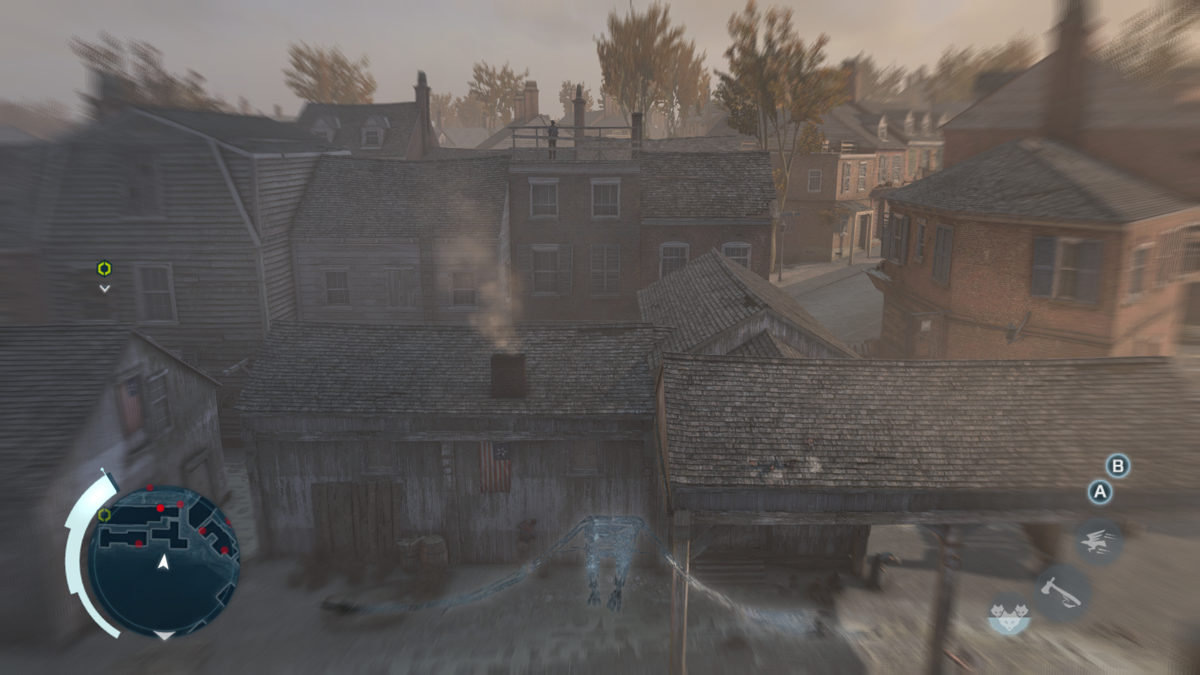
Its most memorable wrinkle is the ability to fly. This is the kind of idea that can make a DLC chapter feel distinct rather than merely supplemental: moving through the conflict from the air is a dramatic departure for Ratonhnhaké:ton, and it fits the story’s deliberately unreal alternate-history direction. If you enjoy Assassin’s Creed when it takes a sharp left turn from grounded historical fiction, this is the episode’s clearest reason to play.
There is also a potential sticking point in that same shift. The Betrayal asks you to accept a version of the protagonist who never became Connor or joined the Assassins, then layers an extraordinary power onto that premise. If you wanted a strict continuation of the main game’s historical mood, the episode’s fantasy-leaning detour may be harder to embrace. Go in ready for an experiment, not a conventional side story.
Graphics
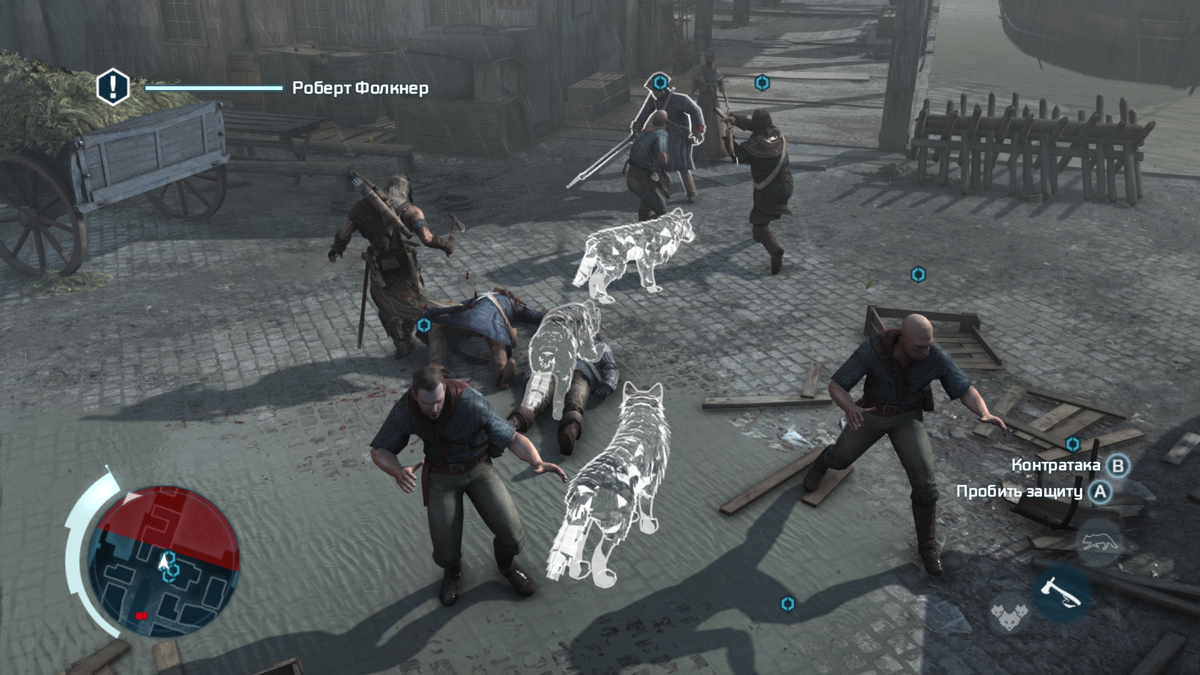
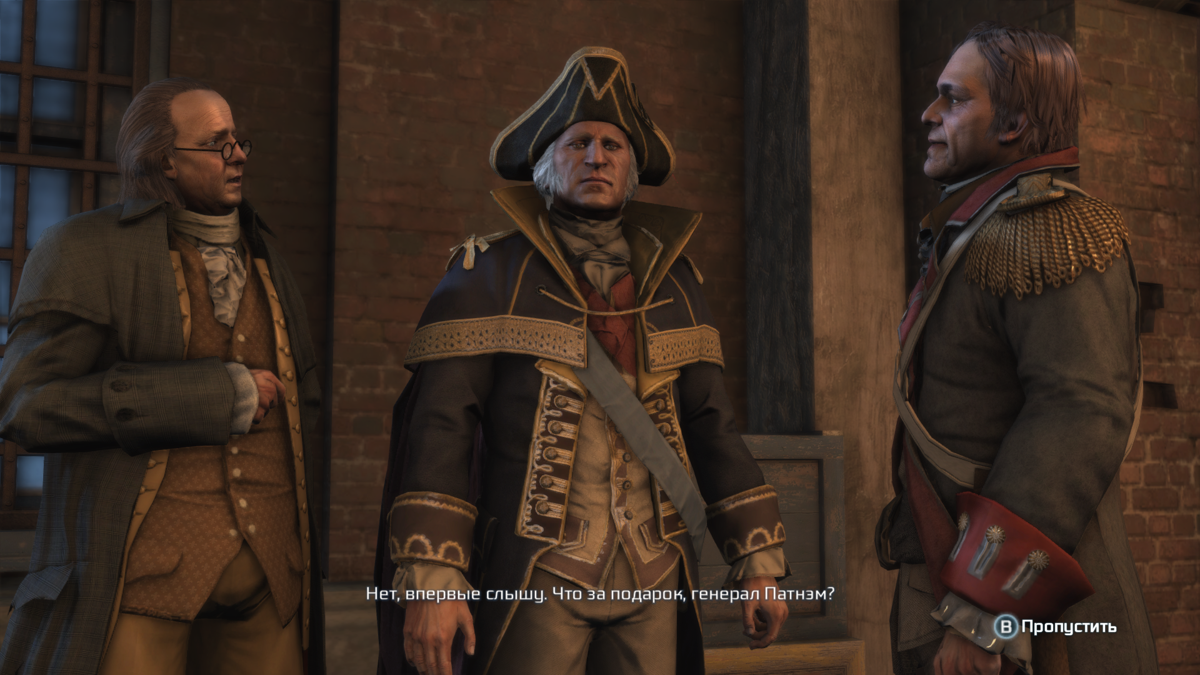
Boston remains the immediate backdrop, while the premise gives Ratonhnhaké:ton a far less familiar role than the Connor seen in the main game. The most visually striking idea is plainly the airborne movement: taking a character associated with city traversal and putting him in the sky changes the image of the action in an instant.
Story
The alternate timeline is doing the heavy lifting here, and it is a good hook. George Washington has crowned himself King of America after the Revolutionary War, while Ratonhnhaké:ton has never entered the Assassins’ orbit. That reversal does more than swap allegiances around; it puts the hero in a world where the assumptions behind Assassin’s Creed III no longer hold.
As the second installment in this storyline, The Betrayal benefits from beginning in a compromised position rather than spending time establishing every threat from scratch. Prison, escape, and collaboration with local rebels are familiar ingredients, but they are effective ones. They put Ratonhnhaké:ton on the back foot and give his fight against King Washington’s rule a personal, immediate shape.
If you are playing through the arc, start with The Infamy. The Betrayal is built as a continuation, and its altered America carries more weight when you have already seen the first chapter establish this version of Washington and Ratonhnhaké:ton’s place within it.
Overall Experience
The Betrayal is an enjoyably odd Assassin’s Creed chapter. Its best quality is commitment: rather than merely placing a familiar hero in another Revolutionary-era mission, it rebuilds his circumstances and lets the King Washington premise become openly fantastical. The prison break and rebel alliance give you a firm reason to care, while flight supplies the novelty.
That makes it easier to recommend to fans who liked the first King Washington episode than to anyone looking for a standalone replacement for Assassin’s Creed III. This is a middle chapter with a continuing conflict, and it is most satisfying as part of that arc. The payoff is the chance to see the series stretch into alternate history without pretending it is business as usual.
For you, the question is simple: do you want more conventional Connor, or are you curious about Ratonhnhaké:ton facing a crowned Washington in a world where he never became an Assassin? Pick The Betrayal for the latter. Its premise is strange, its direction is bold, and the airborne twist gives this chapter a reason to stand apart.


Reviews
There are no reviews yet.