 Retro Replay Retro Gaming History, Reviews & Emulation
Retro Replay Review
Gameplay
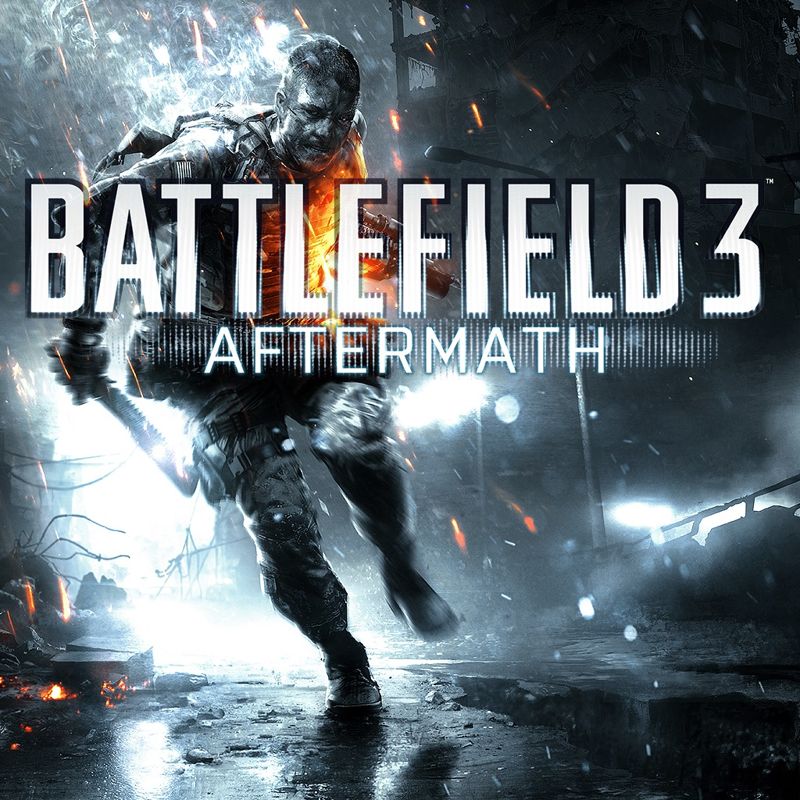
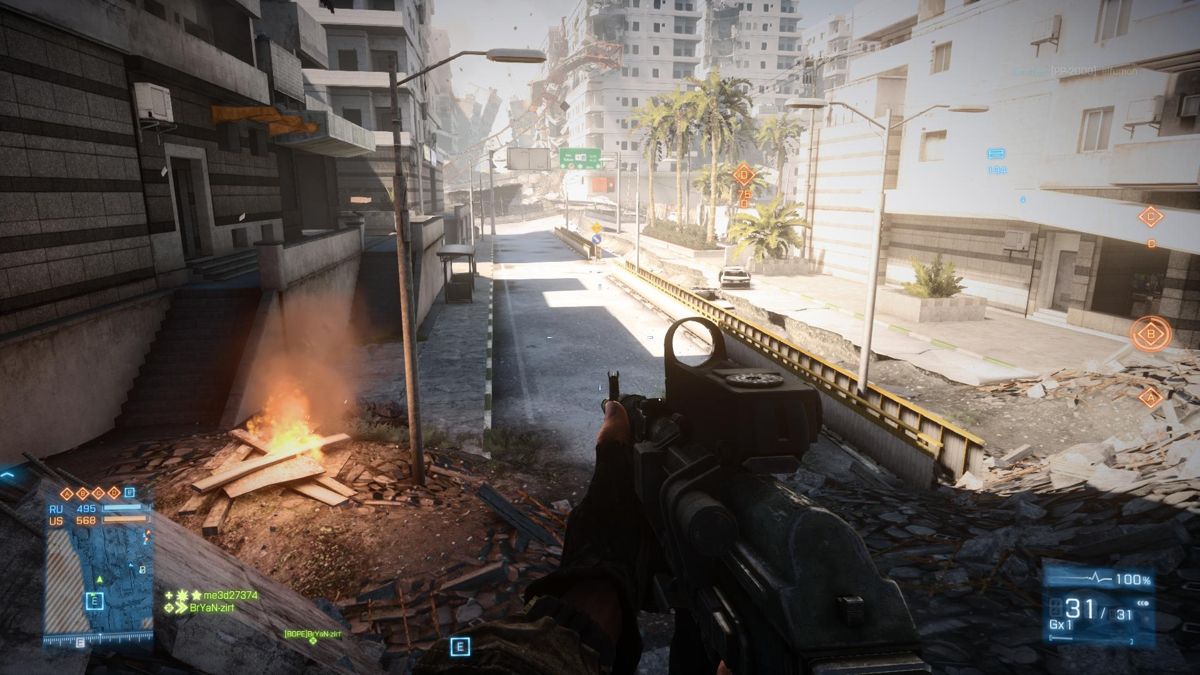
Aftermath grabs you by making the familiar Battlefield 3 firefight feel improvised. Its battles are primarily fought on foot amid the wreckage of a massive earthquake, so you spend less time settling into a comfortable routine and more time reacting to bad sightlines, rubble-choked routes, and squads appearing from places that used to look safe. That pressure is the expansion’s best quality: it makes every move feel a little less certain.
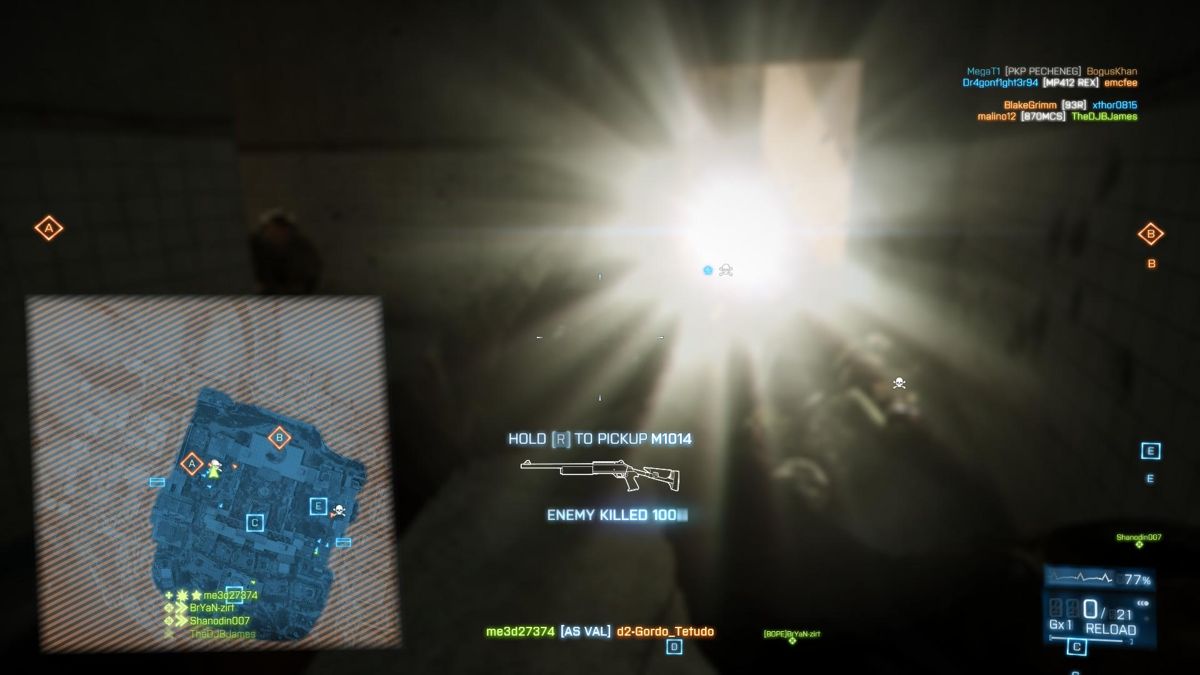
Scavenger is where the theme really clicks. Starting with vastly reduced weapon and ammunition resources means you have to search the rubble before you can build any momentum. In the opening minutes, you are not simply racing toward an objective with your usual preferred loadout; you are making do with what you find. It gives matches a sharper opening scramble and makes a decent pickup feel valuable rather than disposable.
Aftershocks are a clever wrinkle because they interfere with the thing you most want in a firefight: control. Aim can be thrown off while buildings continue to collapse around you, creating the kind of disruption that is exciting when it catches everyone and irritating when it ruins a shot you had earned. That is the trade-off throughout Aftermath. Its chaos is deliberate, and you need to enjoy adapting on the fly rather than expecting clean, repeatable engagements.
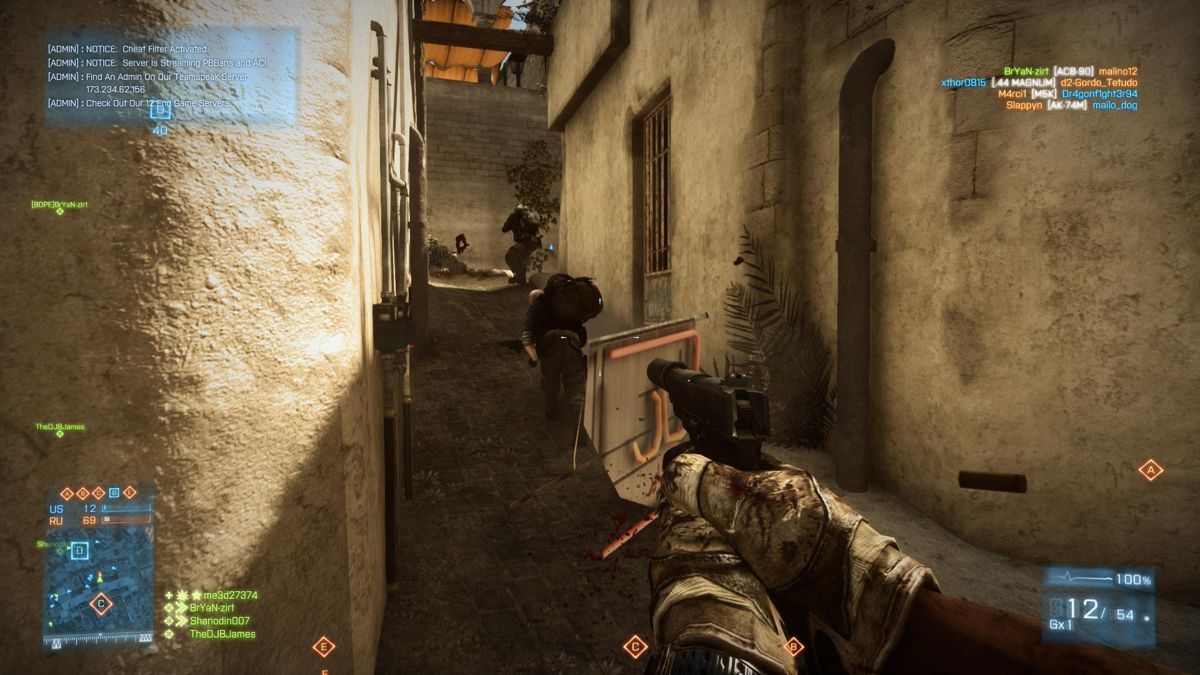
The four maps—Azadi Palace, Epicenter, Markaz Monolith, and Talah Market—stay committed to that disaster-zone infantry focus. Modified light military and civilian vehicles, including the Barsuk, Phoenix, and Rhino, add movement and support without pulling attention away from the close-range struggle for routes through the ruins. The new crossbow is a nice side attraction, particularly because its Standard, Scan, HE, and Balanced bolt types give it more purpose than a novelty weapon.
If you already know Battlefield 3 and want a reason to slow down, scavenge, and fight through more volatile spaces, Aftermath earns its place. If your favorite Battlefield moments come from abundant gear and large-scale vehicle dominance, the resource squeeze may feel more restrictive than refreshing.
Graphics
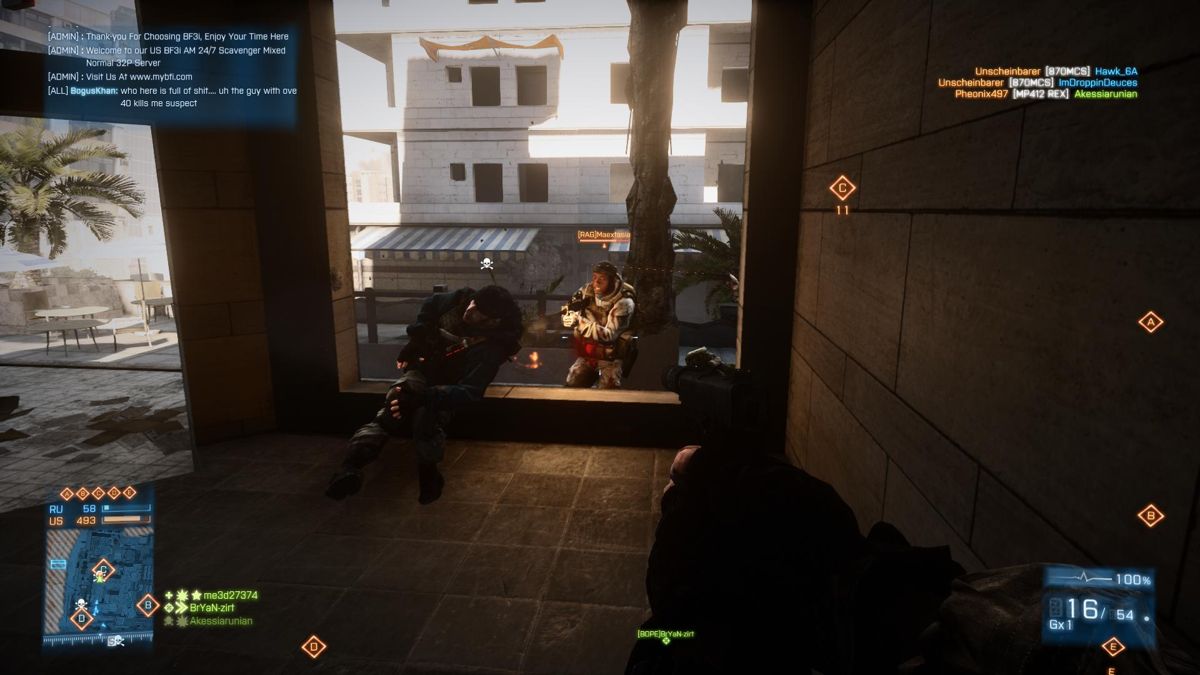
The earthquake setting gives the maps a convincingly battered look: rubble dominates the routes, buildings can continue collapsing during play, and the soldier models carry untreated cuts, lacerations, and the worn-down look of diminished resources. It is not pretty in the conventional sense, but the damaged cities are much more memorable than clean military arenas.

Story
Aftermath’s story is the condition of the battlefield. You are dropped into a region still reeling from a massive earthquake, and the details that matter are immediate: damaged structures, scarce equipment, wounded-looking soldiers, and the threat of another shock arriving at the worst moment.
That backdrop works because it changes how the matches feel rather than sitting quietly behind them. Scavenging for weapons and ammo has a natural connection to the reduced-resource setting, while collapsing buildings make the disaster feel ongoing instead of historical.
Do not come here for a separate narrative journey. The payoff is environmental: each fight carries the sense that this place has not stabilized yet, and that instability gives routine multiplayer objectives a more urgent edge.
Overall Experience
Aftermath is a good Battlefield 3 expansion because it has a point of view. It does not merely add four locations; it asks you to fight differently inside them. The infantry focus, resource pressure, and aftershocks combine into matches that are scrappier and more personal than usual.
Its rough edges are part of the package. A shaking aim reticle and falling buildings can feel unfair in the instant, especially if you prefer precise, orderly gunfights. But when a squad recovers from that disruption, finds enough gear to push forward, and wins a fight through the debris, the disorder becomes the story you remember.
For a closer look at the expansion’s original framing, the official Battlefield 3: Aftermath page is worth a visit. More importantly, this is an easy recommendation for Battlefield 3 regulars who want tense infantry rounds with a distinctive disaster-zone flavor; it is less essential if you mainly want bigger vehicles and more predictable combat.



Reviews
There are no reviews yet.