 Retro Replay Retro Gaming History, Reviews & Emulation
Retro Replay Review
Gameplay
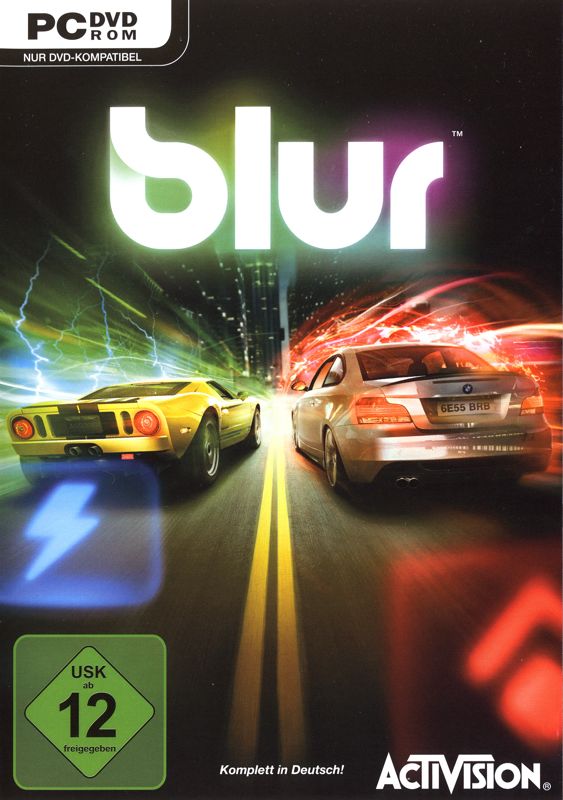
Blur understands that a good arcade racer needs to make every few seconds feel dangerous. A race can turn from a neat drive through a corner into a scramble for a shield, a repair, or a weapon pickup, and the target-seeking Shunt gives trailing racers a direct way to pressure whoever is in front. That push and pull makes the first hour easy to enjoy: you are racing, but you are also constantly judging whether to attack, defend, or save a pickup for the right moment.
The licensed cars are more than a garage decoration because their differing strength and acceleration make car choice part of the plan. A course and event type can call for a different balance than the last one, which gives the roster a useful tactical edge over an arcade racer where every vehicle feels interchangeable. The destruction-oriented events also break up standard racing with a more aggressive objective, whether they take place on a track or in a dedicated arena.
The campaign’s nine groups give this mayhem a satisfying ladder to climb. Winning boss events earns their cars, including their unique mods and finishes, while Lights unlock more of the campaign. First place earns most of what you need, but the extra Lights ask you to meet fan goals, so merely driving conservatively at the front is not always enough.
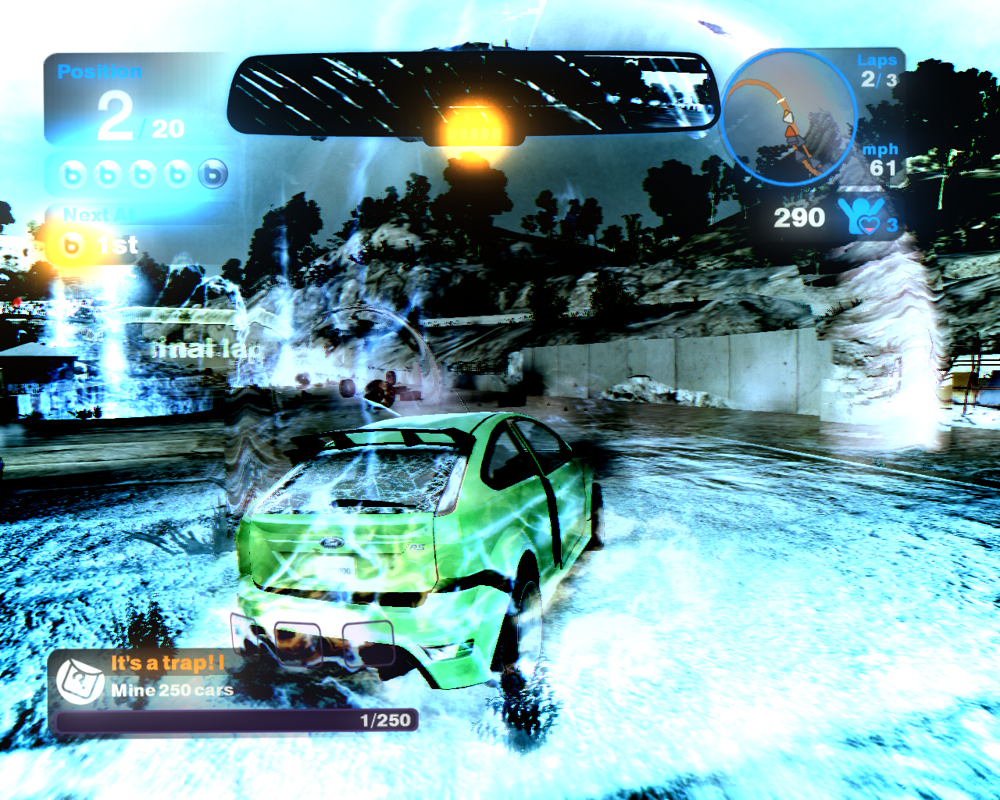
That fan system is where the game asks more of you. Fan Runs send you through glowing arcs while the race continues, and fan targets reward attacks, drifts, long jumps, and other showy driving. It is a smart way to encourage risk, although it can also frustrate you when a race win is not enough and you need another run to satisfy a secondary demand. If you enjoy replaying events to improve both your position and your style, that pressure feels motivating rather than tedious.
Graphics
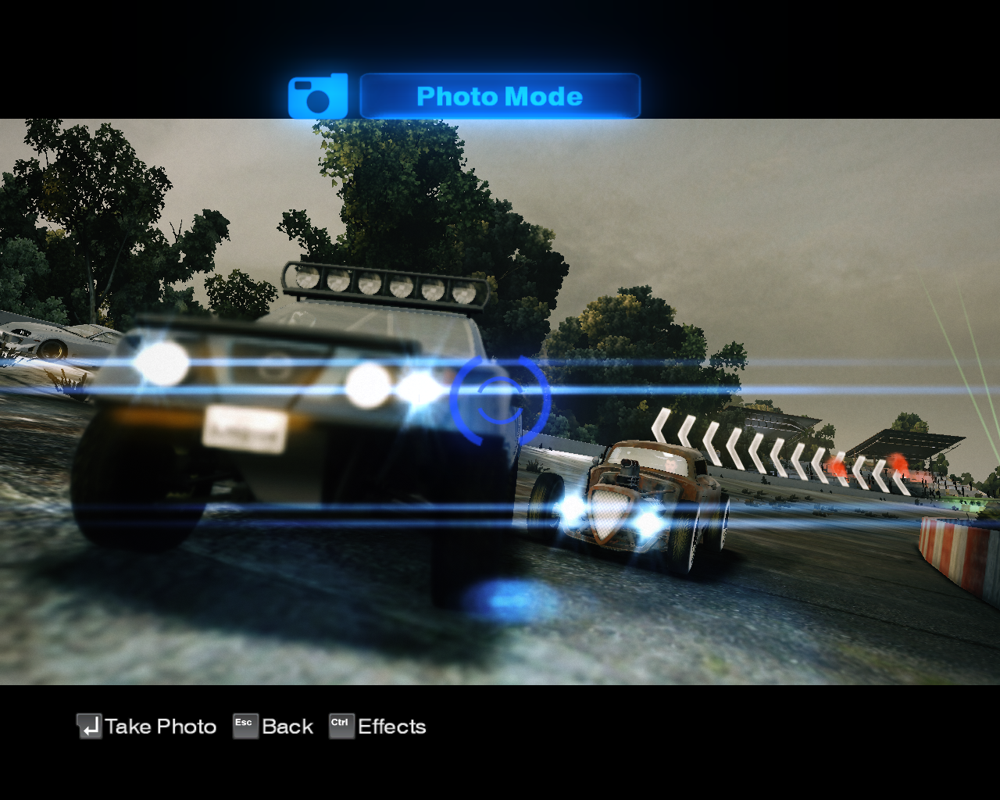
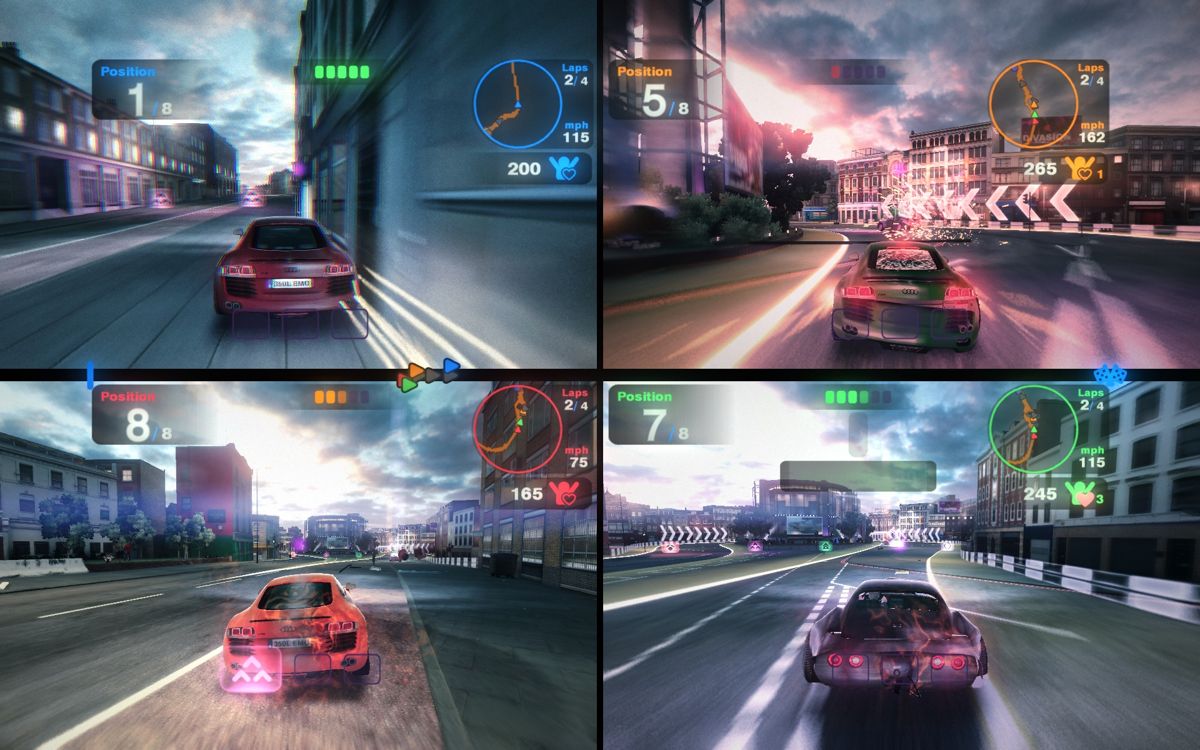
Blur makes its real cars look at home in an unreal fight. Audis, Nissans, Mustangs, and other licensed machines retain their recognizable bodywork and paint while neon power-ups float above the road like glowing hazards. Shunts streak forward in blue-white light, shields wrap a car in bright energy, and explosions throw sparks and bodywork across the racing line without making the next corner impossible to read.
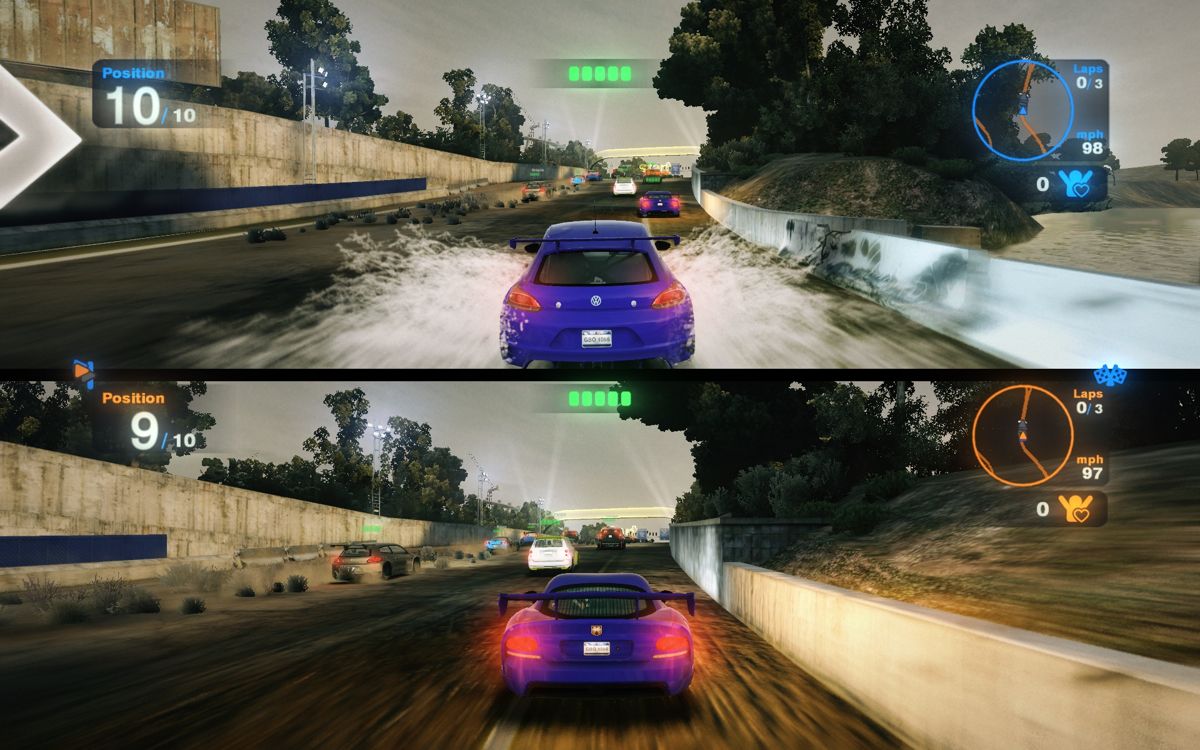
The tracks move between colorful city streets, dusty hills, broad highways, and dedicated arenas, with wet pavement, streetlights, barriers, and distant skylines giving each race a strong sense of place. Cars pick up scratches and visible damage as the pack collides, while motion blur and showers of particles sell the speed. Even in split-screen, strong taillights, colored weapon effects, and clean vehicle silhouettes help you follow the chaos.
Story
This is a campaign about rising through a racing scene rather than a story-heavy racer. You advance through groups of events, build toward boss fights, and take the bosses’ cars when you win. That is a clean, gamey framework, and it suits a racer built around repeatable events and fast rivalries.
The fan system supplies most of the personality in that climb. You are not just trying to cross the line first; you are trying to impress an audience through destruction and skillful driving. It gives the campaign a useful reason to chase drifts, jumps, attacks, and Fan Runs instead of treating them as optional flourishes.
Boss wins are the best narrative punctuation here because they lead to a concrete reward: another driver’s car, mods, and finish. The progression has momentum without asking you to sit through a sprawling plot. You should come for the escalating competition and the satisfaction of beating your way into a better garage.
Overall Experience
Blur lands because it combines recognizably real cars with gleefully unfair-looking, but strategically manageable, combat-racing pressure. The shield and repair pickups stop attacks from feeling entirely helpless, while weapons ensure a lead never feels permanently safe. It is an arcade racer that wants you engaged with every rival around you, not simply perfecting a lone racing line.
The single-player campaign is the strongest reason to stay, thanks to its event variety, Light goals, boss rewards, and the constant incentive to earn fans. The caveat is simple: completion-minded racers need to enjoy its demand for spectacle as well as victory. A player who resents being asked to drift, jump, destroy opponents, or run glowing gates after already winning may find the extra objectives grating.
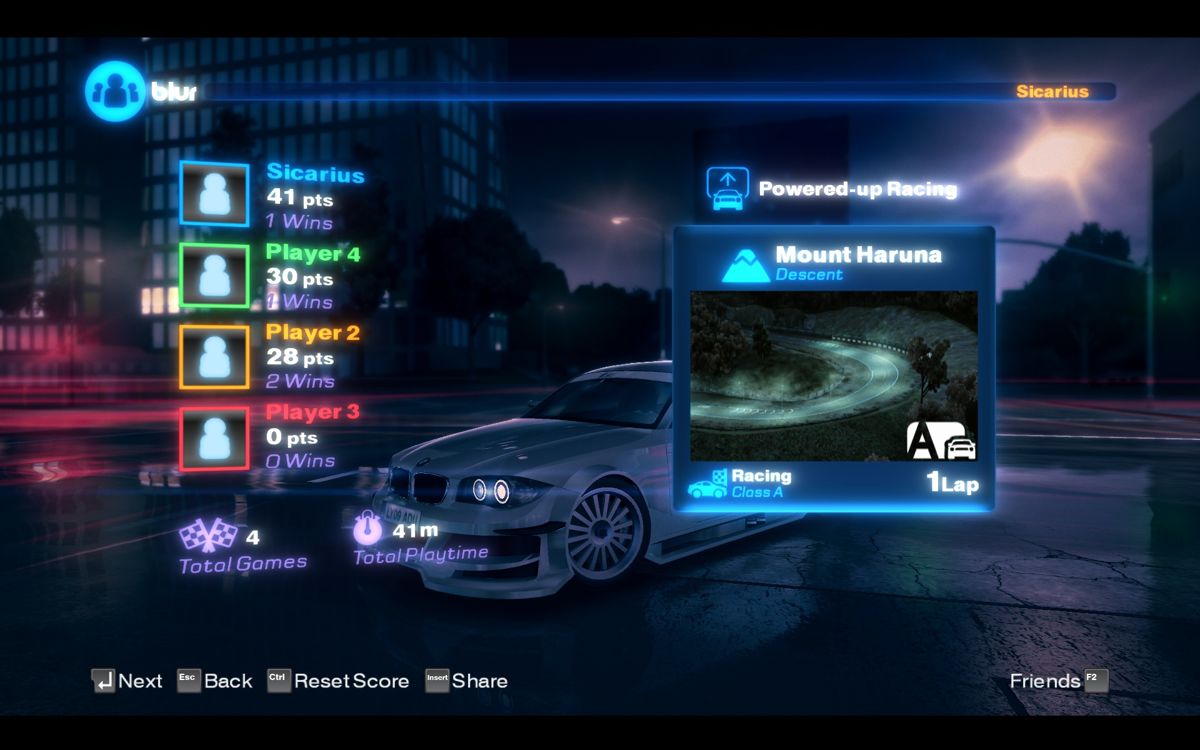
Multiplayer extends the formula in two useful directions. Local play supports up to four people, while online races support up to 20 and add ranks, unlockable upgrades and mods, and a Legendary reset path at level 50. Resetting progress for an exclusive car will appeal to devoted competitors who want another long-term target, though it is clearly aimed at people happy to start the climb again.
At its best, Blur is the kind of racer that makes a comfortable lead feel suspicious and a last-second recovery feel earned. Give it a chance if you want sports cars, weapons, and campaign progression in the same package. Skip it only if the idea of race results being shaped by pickups and fan-chasing sounds like a distraction rather than the point.
If you enjoy the item-based side of its racing, our Mario Kart Wii review covers one of Blur’s clearest inspirations. PC Gamer’s Blur review offers another contemporary verdict on its real-car combat formula.


Reviews
There are no reviews yet.