 Retro Replay Retro Gaming History, Reviews & Emulation
Retro Replay Review
Gameplay
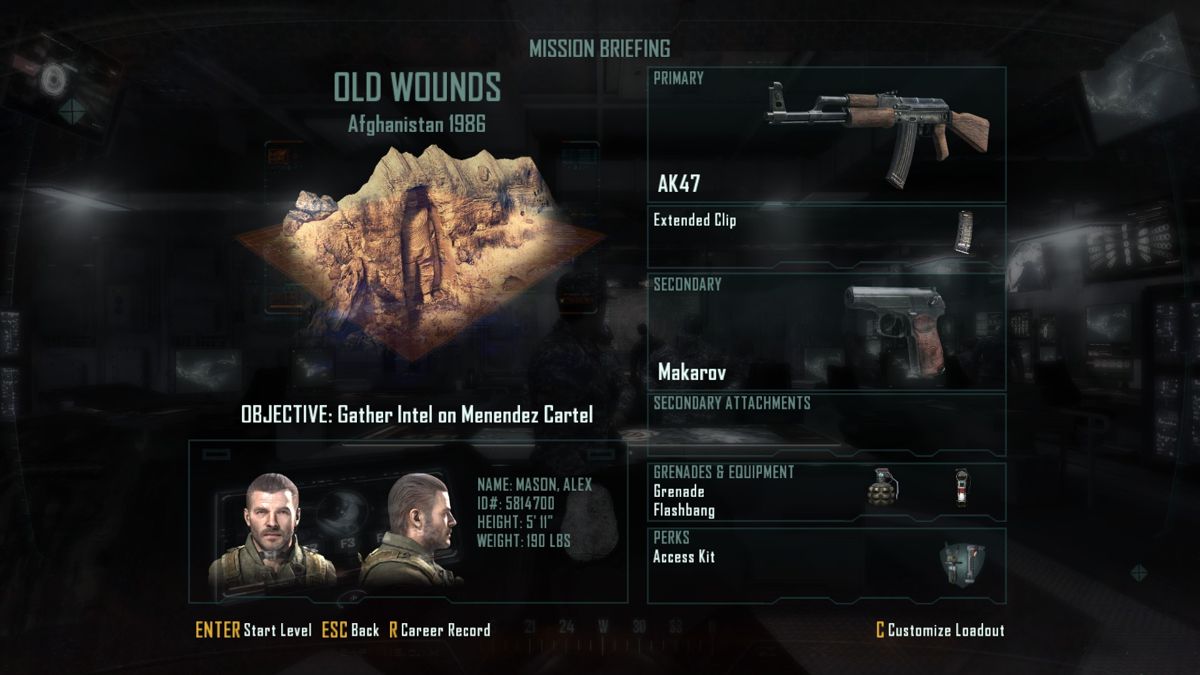
Black Ops II starts with a dependable Call of Duty hook—rapid firefights, dramatic missions, and weapons that respond with the familiar snap the series does so well—but it quickly starts asking more of you. Before missions, you can build multiplayer-style loadouts, which is a welcome way to tailor a campaign built around both older conflicts and 2025 technology. Choosing the gear you want makes repeat runs feel less like rote cleanup, especially once you realize decisions can carry consequences beyond the mission at hand.
The branching campaign is the big swing. Choices range from small changes to major decisions that alter the ending, so you are not merely following a string of set pieces toward one fixed finish. That adds tension to moments where a standard shooter would simply tell you what happened. It also gives failure and success more weight, though it can create frustration when you discover that a poor performance in a Strike Force mission has affected the larger story.
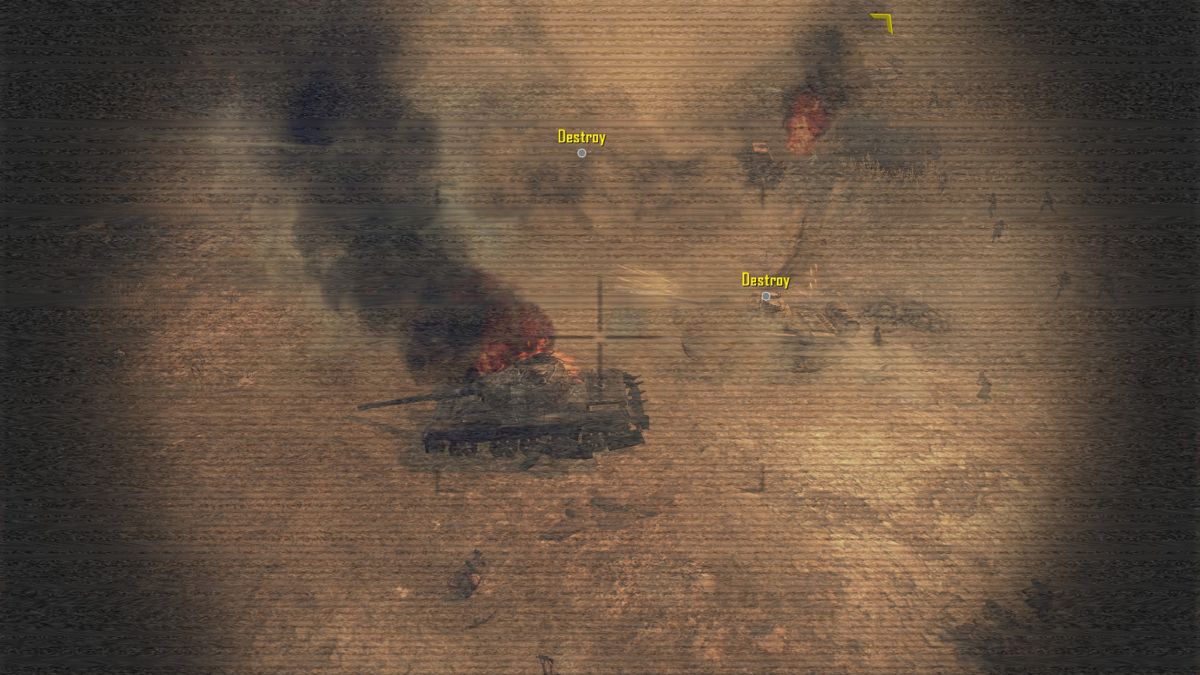
Strike Force is the uneven but worthwhile experiment. From an overhead view, you direct troops and drones in real time, then jump into any unit for standard first-person shooting. Switching perspectives gives these missions a distinct tactical rhythm, but they do not have the effortless clarity of the main campaign’s direct action. If you enjoy adapting on the fly and can tolerate a few rougher strategic encounters, they make Black Ops II feel broader than its peers. If you only want tightly scripted shooting, they may be the part you endure rather than savor.
Multiplayer remains the long-term reason to return. The ten-point create-a-class system forces useful trade-offs: every weapon, attachment, and perk consumes a point, while wildcards let you bend the rules at an added cost. It is a smart system because you can build toward your own priorities instead of automatically filling the same slots. Scorestreaks also reward objective play as well as kills, making modes such as Domination and Kill Confirmed feel less friendly to passive camping. League matches offer a more structured competitive route, while combat training gives you a lower-pressure place to get comfortable.

Graphics
Black Ops II’s campaign moves between late-1980s warfare and the drone-heavy battlefields of 2025, so the places and equipment change noticeably as the timelines shift. The Strike Force missions use an overhead camera for moving units across the field, then snap down to a first-person view when you take control yourself; that contrast makes the command side easy to distinguish from the usual gunfights.
Story
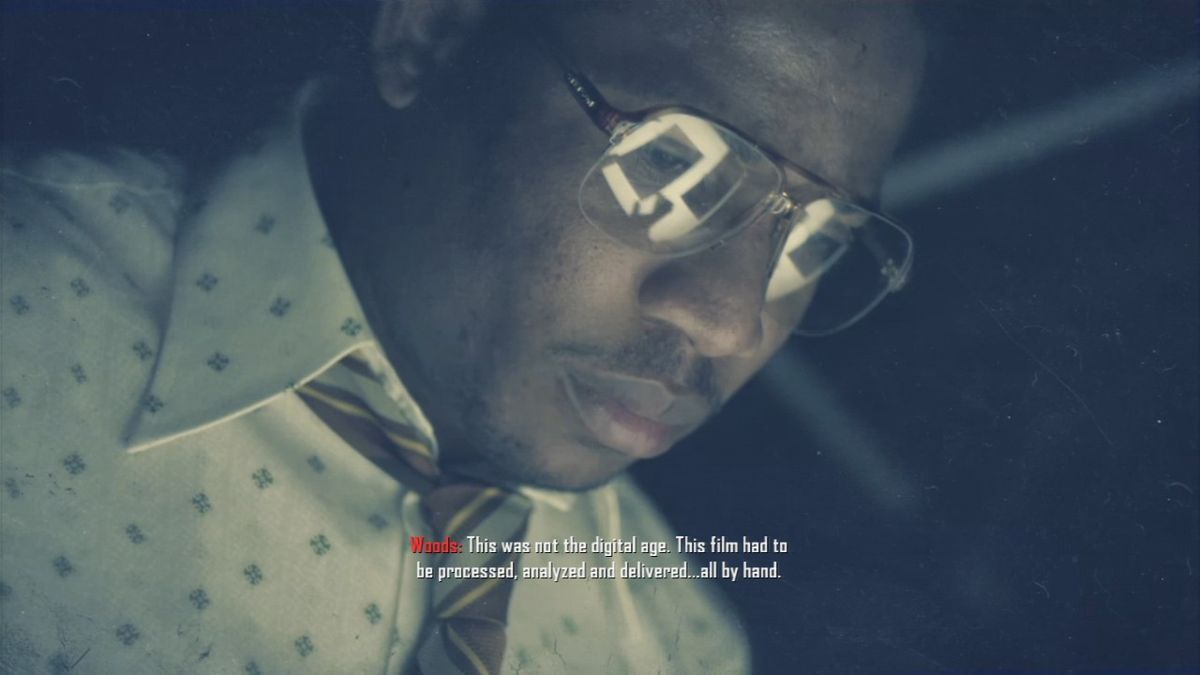
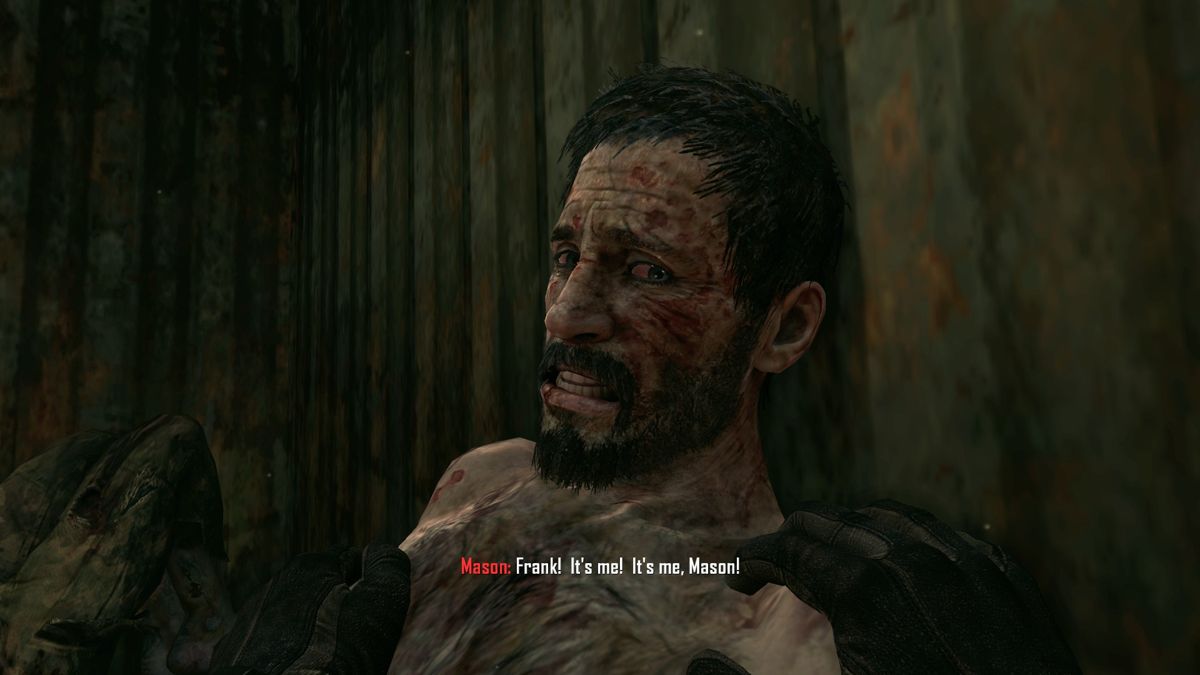
This is a sequel that benefits from knowing Call of Duty: Black Ops, but it does more than recycle its predecessor’s name. Alex Mason and Frank Woods anchor the 1980s material, while Alex’s son David carries the 2025 side. An older Woods connects the two eras, turning the past into more than background lore and gradually framing why the future conflict matters.
Raul Menendez gives the campaign a sustained enemy rather than a series of disposable targets. His vendetta spans decades, linking the personal history of the older timeline to a new cold war between China and the United States over rare earth elements. The future’s unmanned drones and robotic warfare fit that conflict well, because the story is interested in how old grievances can be amplified by newer weapons.
The choices are what make the narrative stick. Black Ops II lets you influence details as small as an NPC’s appearance and as large as the ending, which makes a second playthrough more than a hunt for missed missions. Not every decision will feel equally momentous in the instant you make it, but the campaign earns curiosity: you will want to see where another call leads and whether you can steer the conflict toward a different result. For release and historical context, the game’s Call of Duty: Black Ops II history is a useful companion.
Overall Experience
Black Ops II is at its best when its familiar shooting foundation meets its willingness to take risks. The campaign’s branches, mission loadouts, and Strike Force detours give it a sense of consequence that many linear military shooters lack. You still get the quick, forceful pacing expected from Call of Duty, but there is enough room to make the run feel partly yours.
Its ambition does leave some seams exposed. Strike Force does not always match the flow of the first-person missions, and story repercussions can make a bad result sting more than a normal checkpoint failure. Yet those frustrations come from a game attempting something larger than a pure corridor shooter, and the campaign is more memorable for it.
Give it a chance if you want a Call of Duty campaign with genuine replay incentive and multiplayer that rewards thoughtful class building as much as quick aim. Competitive regulars can spend a long time refining ten-point loadouts, chasing scorestreaks, and climbing league divisions; solo players get a story worth revisiting for different outcomes. Black Ops II does not abandon the series formula—it gives it more choices, more perspective, and more reasons to return.


Reviews
There are no reviews yet.