 Retro Replay Retro Gaming History, Reviews & Emulation

Retro Replay Review
Gameplay
Dead Space 3 grabs you with a dependable old rhythm: enemies rush in, you identify the dangerous limbs, and the plasma cutter turns panic into precision. That core is still excellent. Stasis buys breathing room, kinesis lets you turn loose objects and severed limbs into ammunition, and the best encounters reward fast target selection rather than mindless trigger holding. The new Swarm parasites add a nasty priority problem because leaving them near a corpse can put an enemy back on its feet.
What changes is the scale and the pace. Isaac now rolls into cover, trades fire with Unitologists, mans turrets, and tackles bigger action sequences alongside the series’ usual corridors and hacking interruptions. Some of that variety is welcome, especially when the game moves through drifting ships or puts you on Tau Volantis in an icy storm. Some of it dilutes the careful dread that made earlier Dead Space fights so tense. You are more often equipped to take charge, and that makes the scares land less often.
The crafting bench is either the reason you will sink into the campaign or the reason you may wish it had stayed simpler. Combining two weapons into one tool is satisfying, and scavenged parts can produce genuinely tempting options such as explosive, electric, or saw-based hardware. You can also ignore the system and lean on ready-made classics, which is sensible if collecting materials starts feeling like chores. Ammunition scarcity keeps experimentation from becoming completely carefree, while real-money purchases for parts are an unwelcome distraction even if every part can be earned normally.
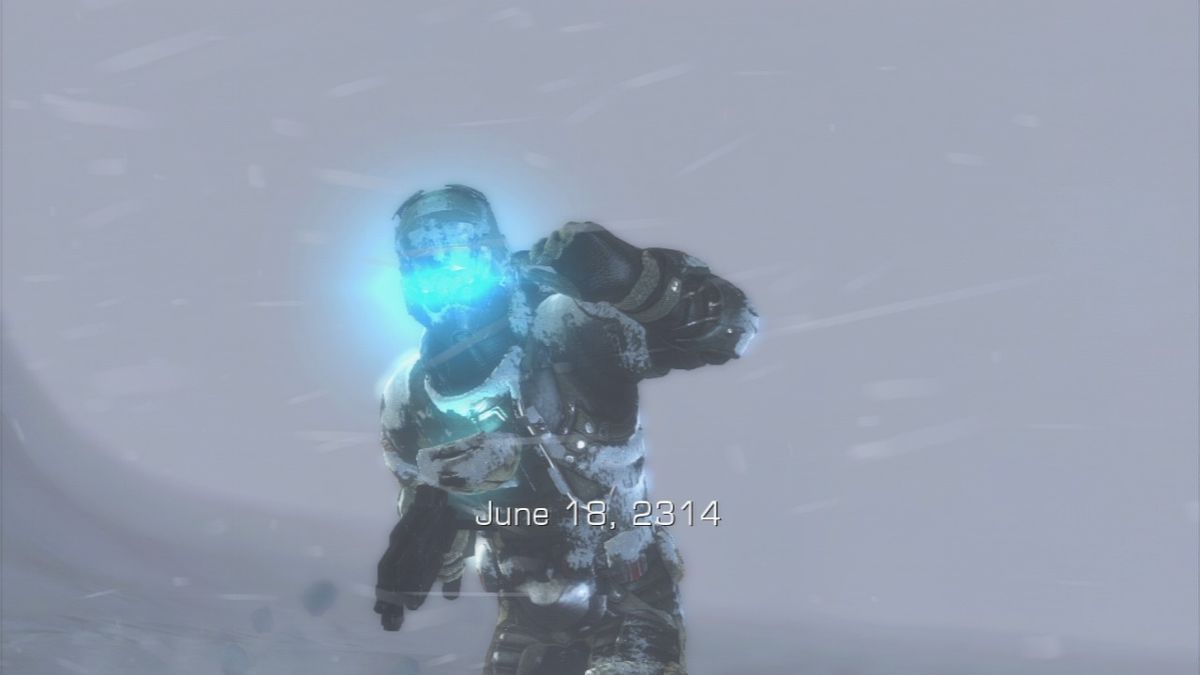
Tau Volantis gives the game its strongest new pressure. Early outdoor trips make you watch Isaac’s temperature just as vacuum sections make you watch oxygen, so a route through the storm becomes a small survival puzzle. Later equipment eases that pressure, which is a relief but also takes some bite from the planet’s cold. Optional fixed-path areas gated by crafted tungsten levers are worth checking when you want loot, though they also underline how much crafting has been pushed into the adventure.
Co-op is the version with the most novelty. A second player as John Carver can join or leave freely, share bench-made weapons, and take part in sections that require both characters. Better still, Carver’s mental episodes can show one player things the other cannot see, creating moments where coordination becomes uncertain rather than merely convenient. Solo still works, but co-op gives the story a fuller shape and makes its most distinctive ideas easier to appreciate.

Graphics
The behind-the-back camera keeps Isaac, his RIG, and incoming limbs close enough to read during busy fights. Tau Volantis brings a welcome change from enclosed sci-fi spaces: icy storms, steep drops crossed with a grappling hook, and travel with jet boots give the journey a broader, harsher look.
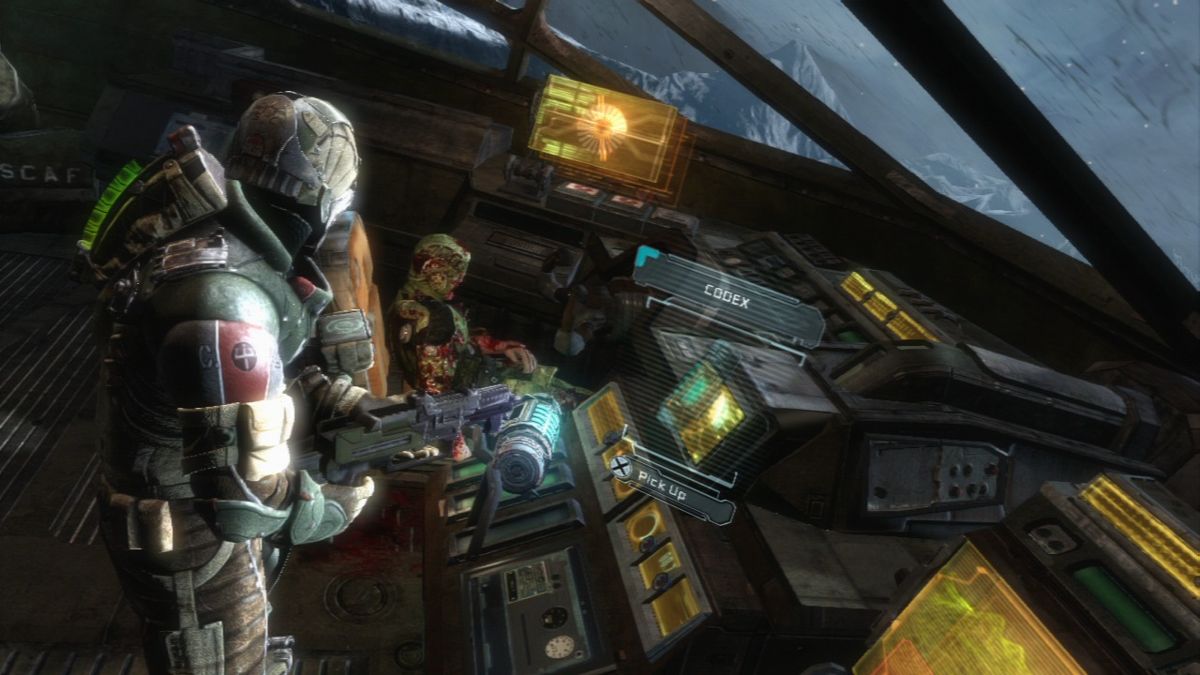
Enemy bodies remain central to the action, and the game’s combat is at its clearest when the plasma cutter slices in horizontal or vertical lines and you can immediately see which parts of a Necromorph need attention. The RIG’s shoulder display also puts temperature and oxygen information where your eyes naturally go.
Story
Isaac’s trip begins with a prologue set two centuries earlier at a Tau Volantis base, then jumps to 2314 as he investigates whether the frozen planet holds the key to ending Marker-driven outbreaks. It is a strong setup because the answer matters beyond another escape: Isaac is chasing the source of a catastrophe that has followed him through the series.
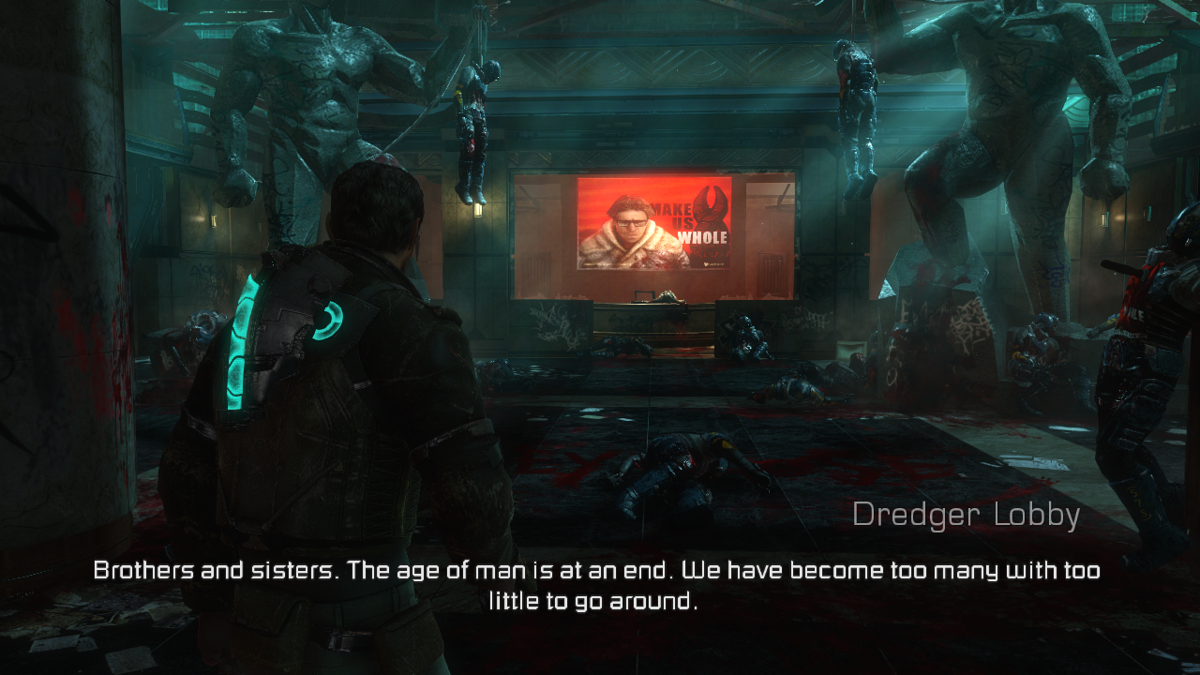
The plot has plenty to juggle. Ellie Langford is now Isaac’s ex, Robert Norton complicates that reunion, Sergeant John Carver arrives carrying the trauma of Uxor, and Jacob Danik’s Unitologists provide human enemies with their own Marker-fuelled conviction. Separating Isaac from Ellie after the crash gives the campaign an immediate personal objective, but the broader mystery of Tau Volantis is what keeps the journey moving.
Carver benefits most from cooperative play, where extra chapters expand his side of the story and his dementia creates different experiences for each partner. That is more than a gimmick: it gives co-op a story purpose and lets the game get unsettling in a way its louder action often does not. If you only play alone, you still get Isaac’s mission, but you miss a meaningful piece of the character work.
Overall Experience
This is a good action game and an uneven Dead Space game. The deliberate dismemberment combat, the satisfaction of a custom-built weapon, and the hostile trek across Tau Volantis give it plenty of reasons to keep going. Yet the shift toward cover shooting, cultist firefights, and large-scale sequences means it rarely sustains the lonely, oppressive terror that defined the series at its best.
If you are arriving fresh, starting with the original Dead Space will make Isaac’s history and the Marker threat carry more weight. If you already like the series, come in ready for a sequel that trades some fear for scale, crafting, and co-op experimentation. Bring a friend if possible; the campaign’s strangest and most memorable moments are built around that partnership.
The payoff is worth it when you treat Dead Space 3 as a finale willing to bend its own rules. It is not as focused as its predecessors, and the material grind plus microtransaction prompt leave a sour aftertaste, but its best fights and co-op ideas still have real bite. For further game information, the official Dead Space 3 page is available from EA.


Reviews
There are no reviews yet.