 Retro Replay Retro Gaming History, Reviews & Emulation
Retro Replay Review
Gameplay
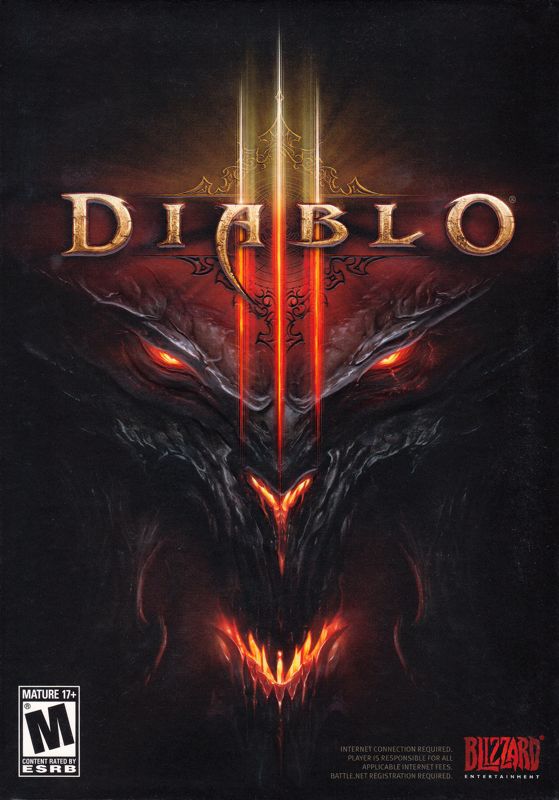
Diablo III starts with an immediately legible promise: pick a class, head out from Old Tristram, and turn dense packs of beasts, undead, and demons into a shower of gold and gear. That first hour moves quickly because there is always a short-term reward in front of you. A new skill unlocks, a weapon drops, or a dungeon asks you to clear just one more room. The basic dungeon-crawling rhythm is direct enough for a newcomer, yet it has the compulsive forward pull the series is known for.
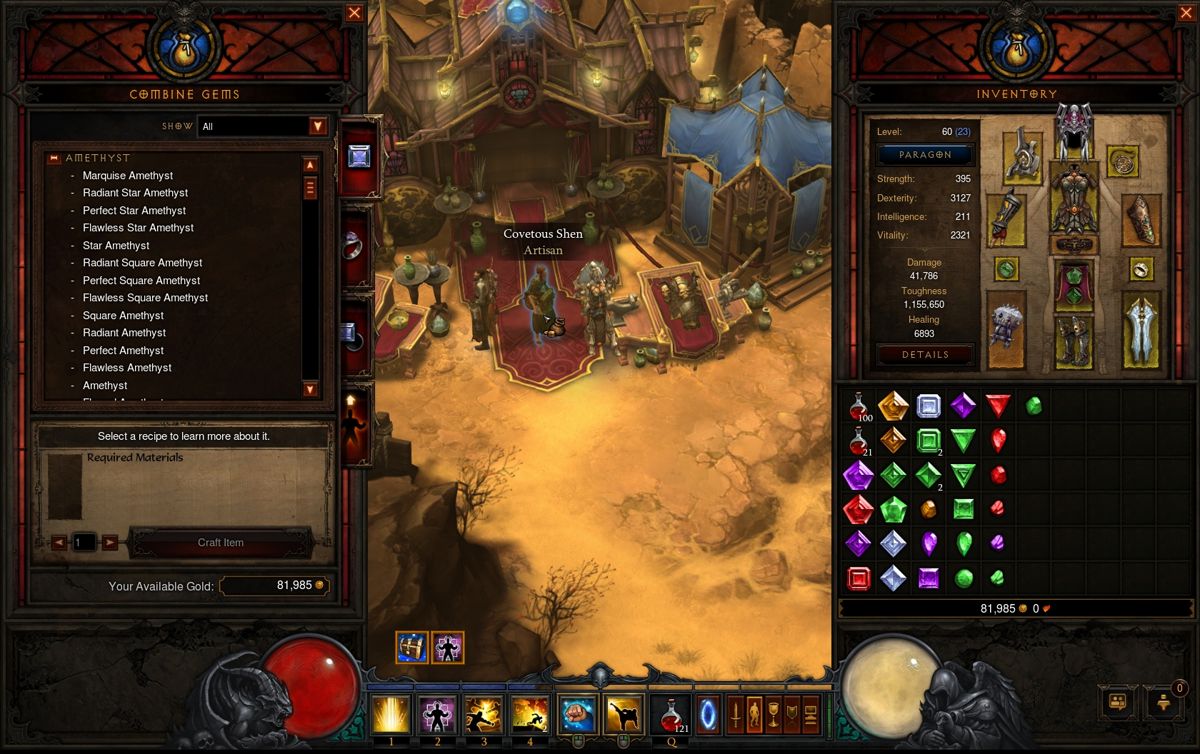
Its strongest idea is how much room it gives you to reshape a hero without making you commit to one narrow path. Each class fills its attack and ability slots from its own pool, while runes alter individual skills and passive abilities push a build further. Gear adds another layer through random magic attributes, socketed gems, and a long list of equipment slots. You will swap pieces often early on, but the more satisfying decisions arrive when you stop treating every higher number as an automatic upgrade and start matching abilities, runes, and equipment to the way you want to fight.
The randomized fields and dungeons keep repeated runs from becoming totally rote, even though towns and cities remain fixed landmarks. Four acts and several difficulty levels give the campaign a clear ladder to climb, while Hardcore raises the tension by making defeat final. The monster-power setting lets you tune that pressure further. That flexibility is valuable: you can play casually on Normal, or deliberately make loot runs and combat much harsher when the basic campaign stops testing you.
Solo play is not lonely for long, thanks to the Templar, Scoundrel, and Enchantress followers. Their skill and equipment choices give you a little extra tinkering without burying you in management. Co-op is even more frictionless: a friend can join your game, the follower steps aside, and no friendly fire means everyone can unload attacks into the same melee. Public games, four-person free-for-all duels, achievements, crafting, and item trading give committed players more reasons to circle back, though the constant chase for better equipment will either feel deliciously endless or exhausting depending on your tolerance for repetition.
Graphics
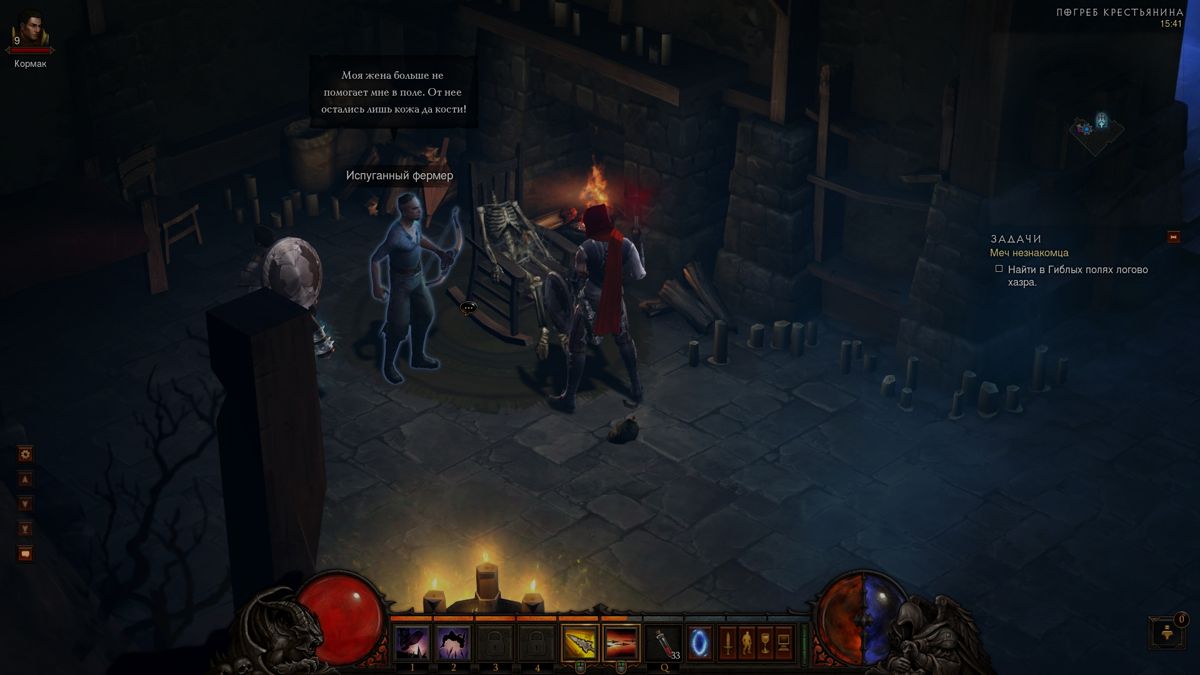
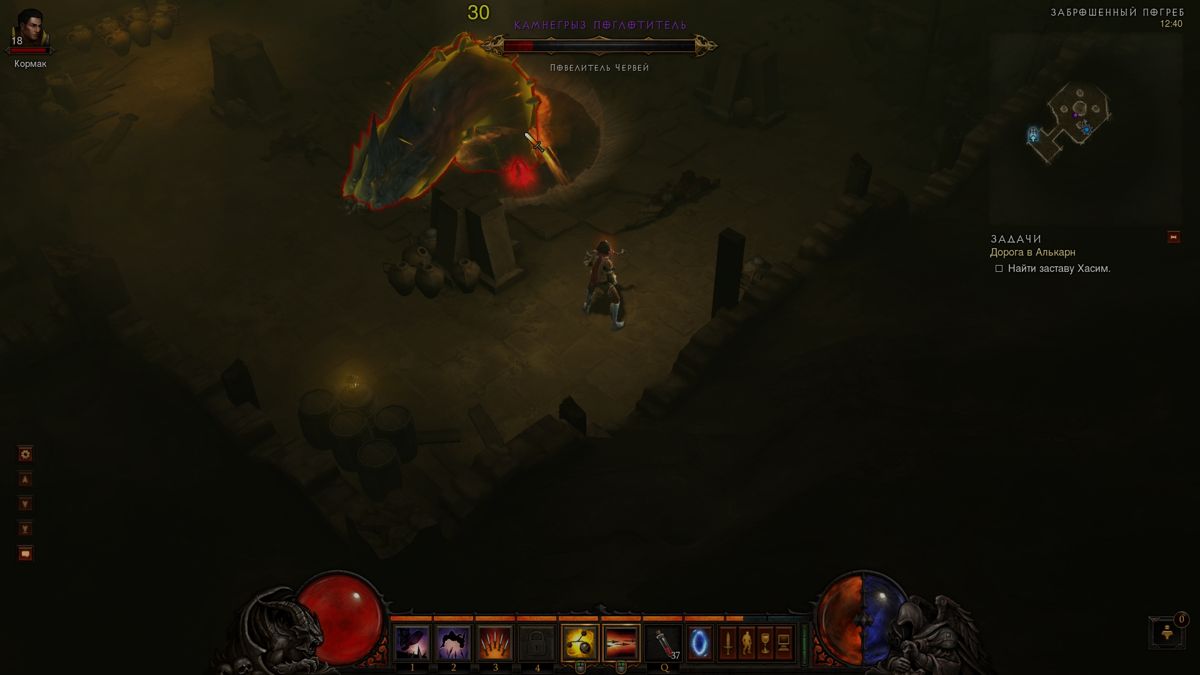
The diagonal-down view keeps crowded battles easy to parse: your hero, allies, and swarming enemies remain visible as you move through towns, fields, and enclosed dungeons. The contrast between Old Tristram’s cathedral-led opening and the broader spread of fantasy locations helps each leg of the journey feel distinct, while the mix of beasts, undead, and demons gives combat a varied bestiary to cut through.
Story
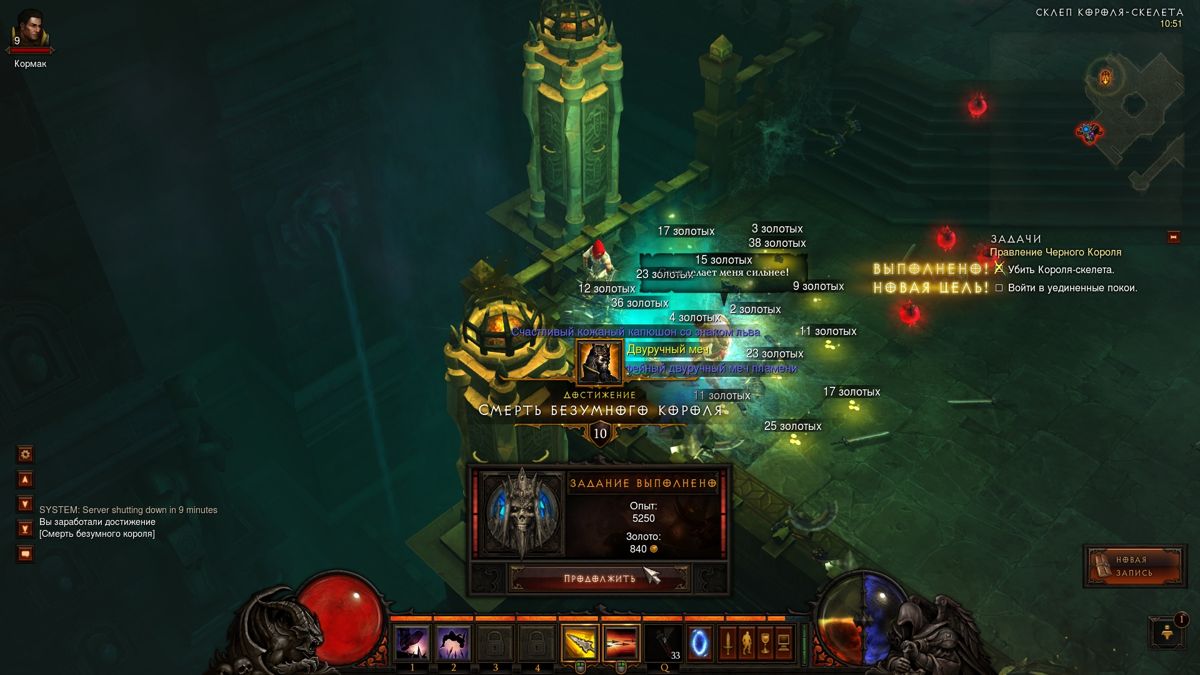
The plot begins twenty years after Diablo II, when a star crashes into the cathedral at Old Tristram. That is a strong, simple invitation for fans of the earlier games: return to a loaded location, investigate the impact, and see how far the trouble spreads. If you want a useful point of comparison for the series’ roots, the original Diablo makes Old Tristram’s return especially resonant.
Diablo III does not ask you to untangle an elaborate role-playing plot before it lets you fight. You choose a male or female Barbarian, Monk, Demon Hunter, Witch-doctor, or Wizard, then push onward through four acts as the mystery surrounding the fallen star opens into a demon-heavy fantasy conflict. It is a clean structure for an action game: a familiar threat, dangerous places to investigate, and regular reasons to move to the next map.
There is more to find than the main route alone. Randomized areas, sub-quests, and character back-story encourage multiple playthroughs if you want to see every strand. Still, story completion is not the main reward here. The narrative works best as a dark fantasy frame around the action and the return to repeated dungeon runs, rather than as the reason you will keep adjusting your equipment at the end of a session.
Overall Experience
Diablo III earns its reputation through rhythm. Combat, loot, leveling, and build adjustment feed one another so smoothly that “one more dungeon” can become an entire evening. It is especially easy to recommend if you want an action RPG that welcomes experimentation: changing skills and runes lets you react to what you find instead of making every early choice feel permanent.
Its limitations are tied to the same loop. Random maps and a huge pool of gear can refresh a replay, but they do not change the fact that you will be fighting hordes, comparing equipment, and doing it again at higher difficulty. If repeated combat runs and incremental upgrades leave you cold, the four-act story may not be enough to carry the whole trip. Hardcore mode is the clearest answer for anyone who wants every encounter to matter, but its permanent-loss rule is a serious commitment rather than a casual side mode.
For solo adventuring, the followers make the road feel supported; for friends, drop-in co-op is the more natural fit and removes the worry of hurting each other in a crowded fight. The original release’s auction-house economy is also part of its historical package, alongside crafting and merchant purchases, so gear hunting has several outlets beyond enemy drops. For current official material about the game, visit the official Diablo III page.
Ultimately, Diablo III is worth your time when you want a polished, repeatable fantasy loot hunt rather than a slow, choice-heavy RPG. Pick the class whose attacks sound fun, resist overthinking early gear, and let the skills open up before judging it. Once your abilities, runes, and equipment begin pulling in the same direction, it becomes very easy to understand why a straightforward trip into Old Tristram can turn into dozens of runs.


Reviews
There are no reviews yet.