 Retro Replay Retro Gaming History, Reviews & Emulation

Retro Replay Review
Gameplay
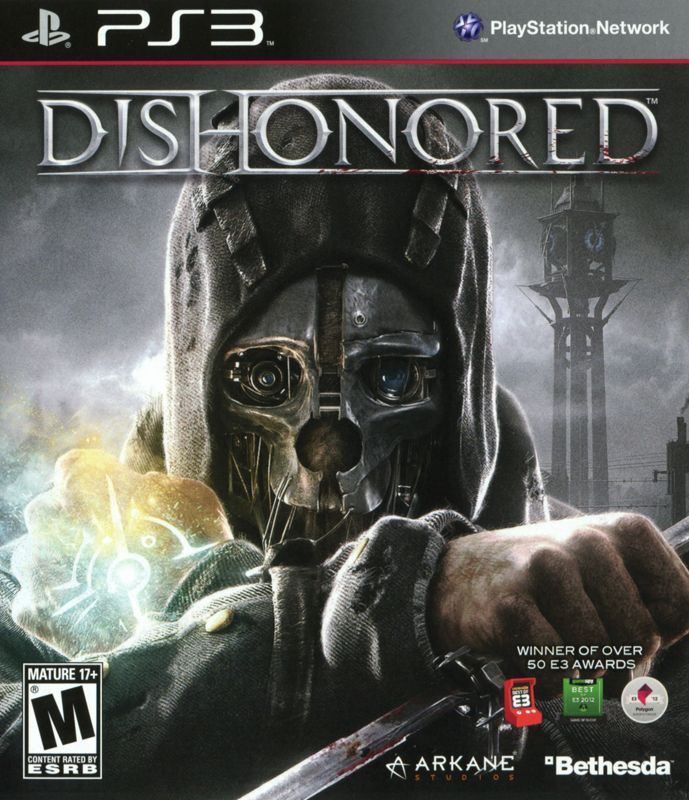
Dishonored is at its strongest when you stand above a guarded street, spot a balcony, a doorway, a patrol route, and a piece of lethal city hardware, then decide none of them have to be approached the obvious way. Corvo can sneak, lean, mantle, swim, slide, sprint, and climb through spaces built for detours. That first hour quickly establishes the hook: you are not merely trying to reach a target, but trying to make a plan feel like your own.
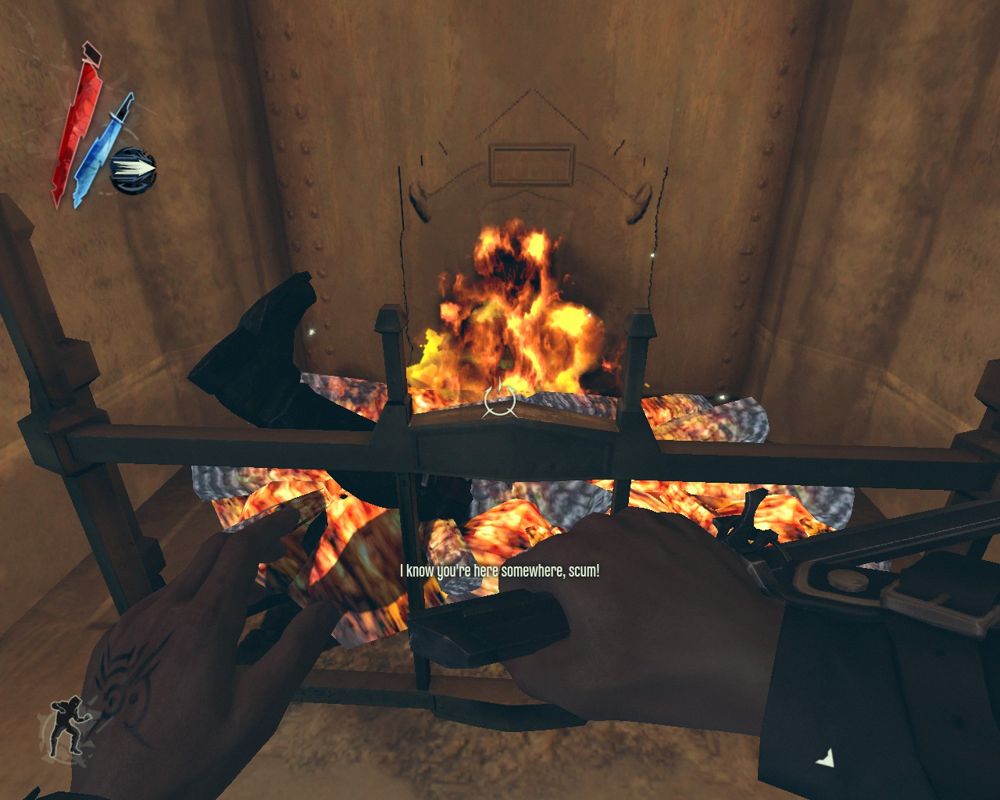
The assassination missions reward experimentation without forcing one moral lane. You can stay unseen and use sleeper holds, tranquilizer darts, aerial takedowns, sound distractions, and careful body hiding. Or you can draw steel, parry, fire pistols and crossbows, toss grenades, and use gadgets such as smoke bombs and razor mines. Combat has enough tools to be satisfying when a stealth plan collapses, though a full-on assault naturally loses some of the careful tension that makes Dunwall memorable.
Magic is the real ingredient that turns good stealth levels into wonderfully flexible ones. Blink changes how you read vertical spaces, while powers such as possession, dark vision, time bend, windblast, healing, and summoned rats open routes or create chaos in a hurry. Mana limits how freely you can lean on them, and finding runes to improve powers gives exploration a tangible payoff. Bone charms and weapon upgrades add further reasons to poke around side rooms rather than beeline for the objective.
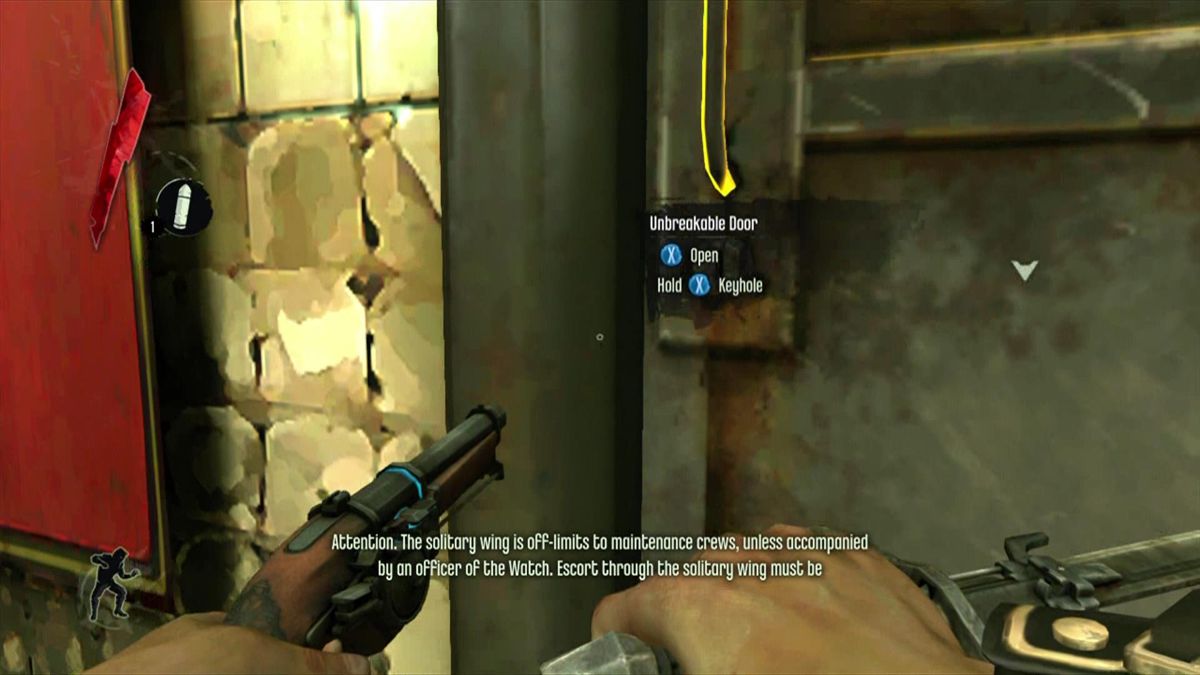
Be warned: this is not a game where indiscriminate killing is treated as a harmless style preference. The chaos system makes a brutal campaign rougher through more patrols, rats, and altered character behavior, while alarms and exposed bodies can undermine a clean operation. That can frustrate you if you want to improvise violently with no fallout, but it gives restraint real weight. The stealth rules are mostly intuitive—stay out of sight, use cover, manage sound, watch guard awareness—and eavesdropping often helps you understand both people and possible routes before committing.

Graphics
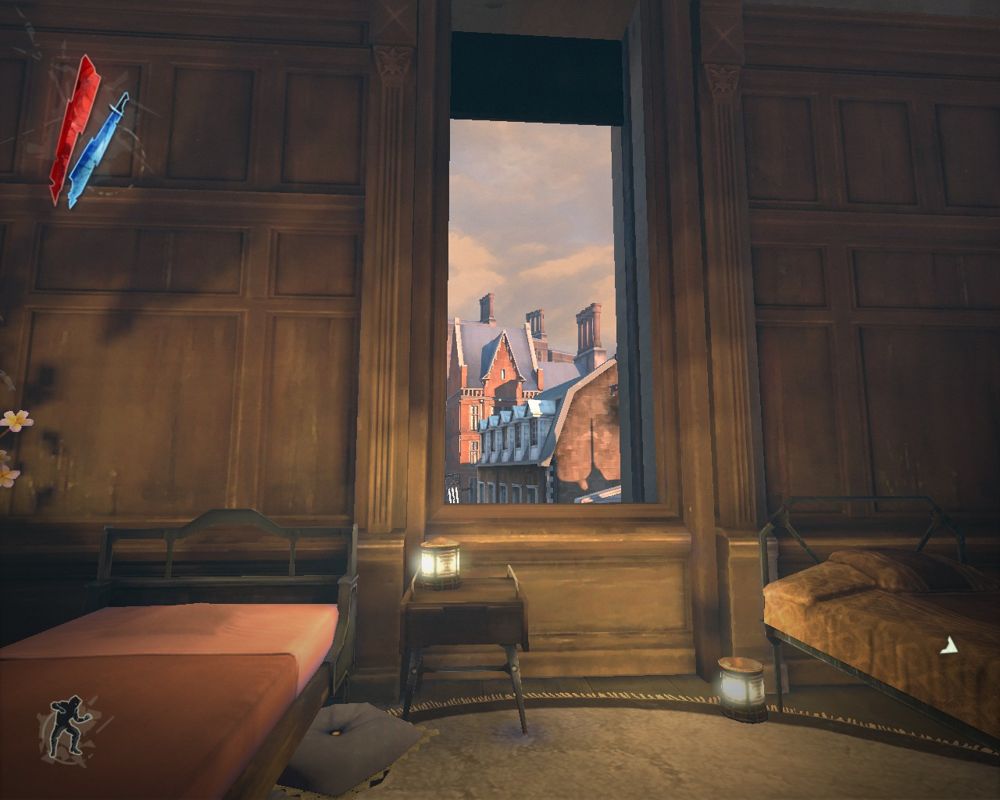
Dunwall is a grim industrial city of whale-oil power, plague districts, water, and fortified barriers. The first-person view makes its vertical routes feel immediate: you peer over ledges, slip through interiors, and look for a safe landing spot before using Blink. Walls of Light, arc pylons, and towering mechanized Tallboys give the streets a threatening, distinctly steampunk-fantasy look.
The plague imagery is especially nasty. Rats swarm through the city, while Weepers cry blood and turn violent, making even ordinary streets feel diseased and unsafe. It is a world with memorable enemy silhouettes and hazards you can recognize at a glance.
Story
Corvo Attano begins as the Royal Protector to Empress Jessamine Kaldwin, then becomes the man blamed for her murder and the abduction of her daughter, Emily. It is a direct revenge setup, but the journey has more texture than a simple hit list because Dunwall’s political takeover unfolds alongside its plague crisis. The Loyalists offer Corvo a way out and a base at the Hound Pits, yet the city never feels cleanly divided into safe allies and obvious targets.
The Outsider’s gifts place strange magic beside pistols, whale oil, and oppressive city technology. That mixture gives the world a compelling edge: Dunwall is Victorian London by way of nightmare fantasy, where a short-range teleport and a city watch patrol belong in the same alley. Conversations and overheard details are worth your time, especially before a major mission, because they can clarify motives and point toward opportunities.
Your conduct matters to the tone and conclusion. Killing freely raises chaos and changes conversations and quests, while a low-chaos, non-lethal approach produces a different path through the aftermath. The story does not merely scold you for violence; it asks you to live with the kind of city your revenge helps create. For more background on the game’s history and release, see Dishonored’s reference page.
Overall Experience
Dishonored remains a standout because it trusts you to look at a mission and invent an answer. The obvious route is rarely the only route, and the best moments come from adapting when a guard notices something, a body is discovered, or a magical shortcut suddenly makes a locked-off area reachable. Few games make exploratory curiosity feel so closely tied to both power and danger.
It is particularly rewarding if you enjoy stealth games where patience pays off, but it does not demand a flawless ghost run to be fun. Start cautiously, learn how guards react, and do not ignore vertical paths or eavesdropped information. If you prefer direct action, Corvo has the weapons and powers to fight, though the chaos consequences mean the game pushes back in an interesting way rather than simply cheering you on.
The payoff is absolutely worth the occasional tension of reloading a messy encounter or slowing down to search for an alternate entrance. Its combination of assassination freedom, supernatural tools, grimy city exploration, and consequences still makes every mission feel personal. You leave remembering not just what happened, but the route you chose and the damage you caused getting there.


Reviews
There are no reviews yet.