 Retro Replay Retro Gaming History, Reviews & Emulation
Retro Replay Review
Gameplay
Bloody Palace gets straight to the part of DmC that either hooked you or did not: fighting demons well, repeatedly, under pressure. You enter a run of 101 arena stages, with the clock always draining away. Kills add time back, so there is no comfortable rhythm of cautiously picking enemies apart. The mode wants momentum, and it makes every stalled fight feel expensive.
That timer is what gives the format its teeth. A normal combat encounter can let you experiment, recover your bearings, or take the slower route through a difficult wave. Here, efficiency matters as much as survival. You need to keep the room moving, dispatch demons fast enough to sustain the run, and avoid letting one stubborn encounter eat the time you earned in the last. It is a simple rule, but it turns a string of arenas into an endurance challenge.
Six boss stages break up the climb and give the run recognizable pressure points. They also make the 101-level structure feel like more than a loose practice mode: you are working toward checkpoints in a demanding combat gauntlet, even if the central activity remains arena fighting from beginning to end. The DLC does not try to reinvent DmC. It strips the experience down to the action system and asks whether you can stay sharp for the long haul.
You do need to complete the main game once before Bloody Palace unlocks. That restriction makes sense because this is not a friendly introduction; it is a post-game challenge built for someone who already understands the fundamentals and wants a reason to push harder. If you finished DmC satisfied with the story and ready to move on, 101 combat rounds may sound like homework. If you finished wishing the game would keep testing you, this is the mode that answers that wish.
Graphics
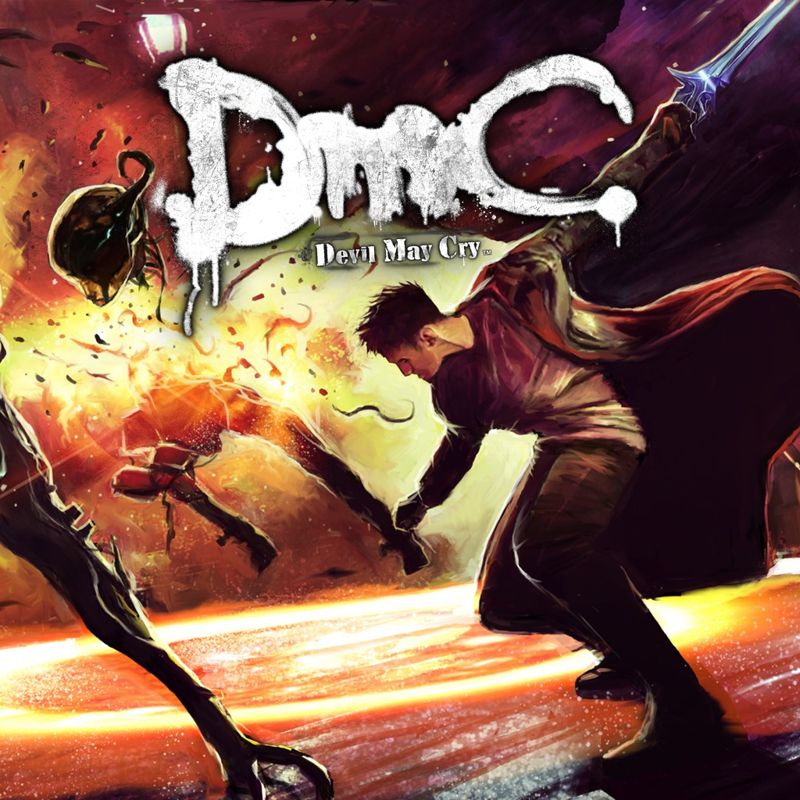
Bloody Palace centers its action on arena battles, so the emphasis is on watching demon fights unfold clearly enough to make fast decisions while the timer bears down. Boss rounds provide the biggest visual change of pace within the 101-stage climb.
Story
There is no new narrative thread to chase here. Bloody Palace is a combat-focused DLC mode, and that is an important distinction before you buy in: the reward is challenge, not another chapter in DmC’s story.
That lack of story works in its favor when you treat the mode as a place to return to after the campaign. You are not stopping to absorb fresh plot beats or meet new characters; you are measuring whether your command of the action holds up when the game stops giving you room to coast.
Anyone hoping for added context, scenes, or a continuation of the campaign should look elsewhere. This is an epilogue only in the mechanical sense: a final exam for the combat you learned during the main game.
Overall Experience
Bloody Palace is focused DLC with a very specific promise. It gives you a long sequence of combat arenas, a relentless countdown, and six boss battles, then lets the quality of DmC’s action carry the rest. There is value in that directness. You know almost immediately whether the mode has its hooks in you, because the first few stages establish the same urgent loop that drives the entire ascent.
Its limitation is equally clear: repetition is part of the deal. The mode asks you to enjoy combat for combat’s sake, not to expect new environments, plot turns, or a broader campaign-style journey. Frustration can set in when time slips away during a difficult fight, especially after you have already invested in a run, but that pressure is also what makes a successful clear feel earned.
For a DmC fan who wants to sharpen execution and see how far their consistency goes, Bloody Palace is an easy recommendation. The 101-stage marathon gives the combat system a proper proving ground, and the ticking clock prevents it from becoming a leisurely victory lap. Skip it only if you need story content or constant variety to stay engaged; otherwise, it is a hard, concentrated second serving of the game’s strongest ingredient.



Reviews
There are no reviews yet.