 Retro Replay Retro Gaming History, Reviews & Emulation

Retro Replay Review
Gameplay
Dungeon Siege III begins like an action game wearing RPG armor. You directly move your chosen hero, aim attacks yourself, and trigger special moves with buttons, a sharp break from the more indirect controls associated with earlier Dungeon Siege games. That change is immediate: Lucas, Anjali, Katarina, and Reinhart are not blank adventurers but distinct combat starting points, so the first decision already shapes how the game feels in your hands. If you want a fantasy RPG that settles quickly into active fighting instead of asking you to micromanage every step, this is an easy game to get moving in.
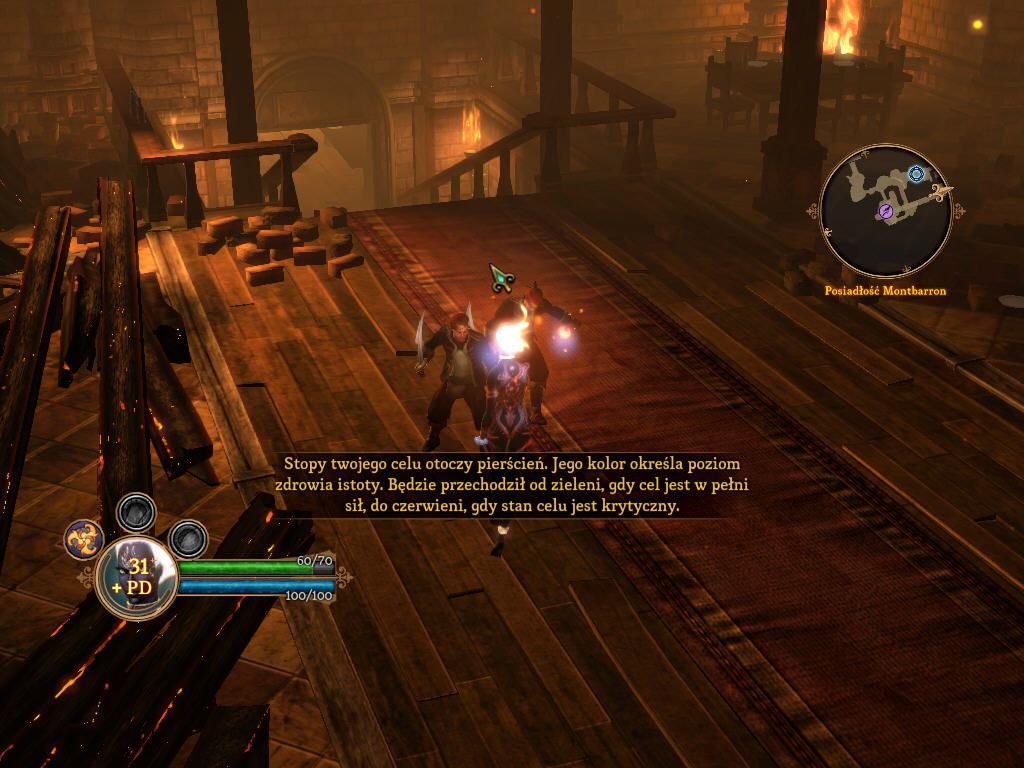
The combat has more structure than simple button mashing once the enemies begin dropping their colored recovery orbs. There are no health, mana, or focus potions to stockpile and use at leisure. Staying alive and keeping special attacks available instead depends on collecting what defeated enemies leave behind, which puts pressure on your positioning and timing during a fight. Focus fuels your special attacks, so spending it carelessly can leave you with fewer options when a tougher encounter drags on.
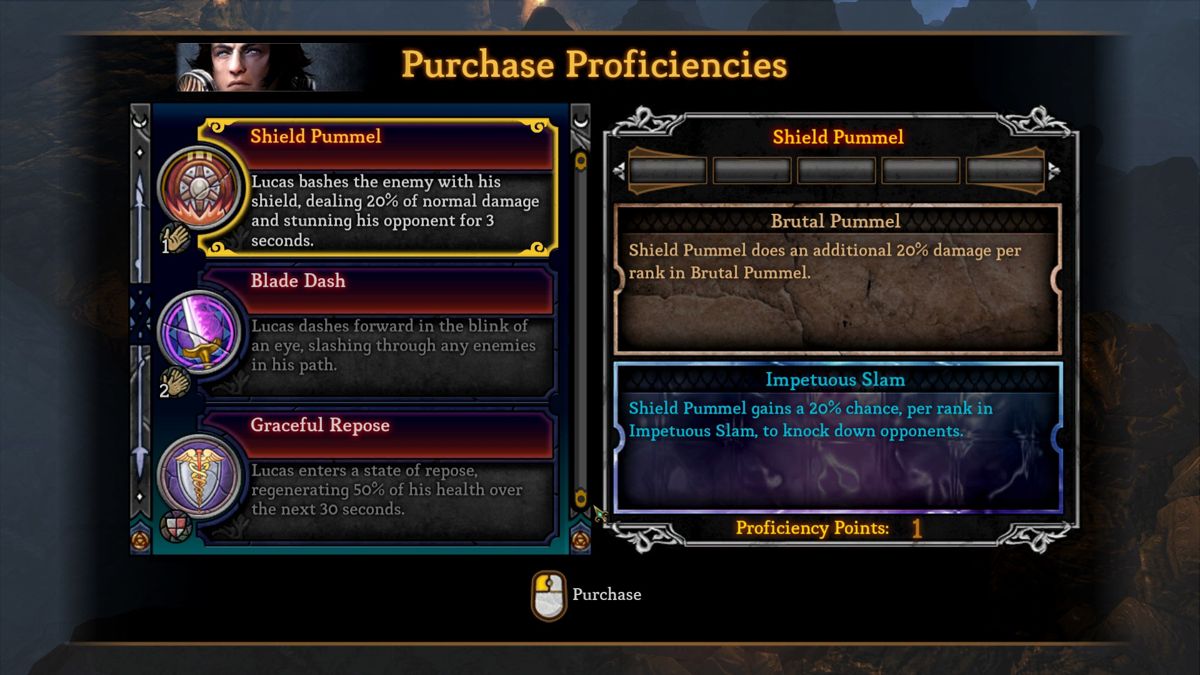
Character growth gives that action a worthwhile layer of planning. Each hero has passive talents and active attacks to improve, with abilities split among one-handed, two-handed, and defensive stances. Upgrades can be pushed through five ranks, while active abilities offer specializations such as favoring damage or speed. That is enough room to make choices meaningful without turning every level-up into homework. Your AI companion also shares in that progression: you choose their gear and level-up decisions, even though they fight on their own.
Bringing one of the other heroes along is a smart way to keep a party-RPG flavor in a game built around controlling a single character. Still, the direct, gamepad-first approach is the defining change here. It makes Dungeon Siege III a better fit for someone who wants to stay in the middle of the fight than for someone hoping for the older games’ mouse-led flow. Meet it on those terms and its combat system has a clear, energetic pull.

Graphics
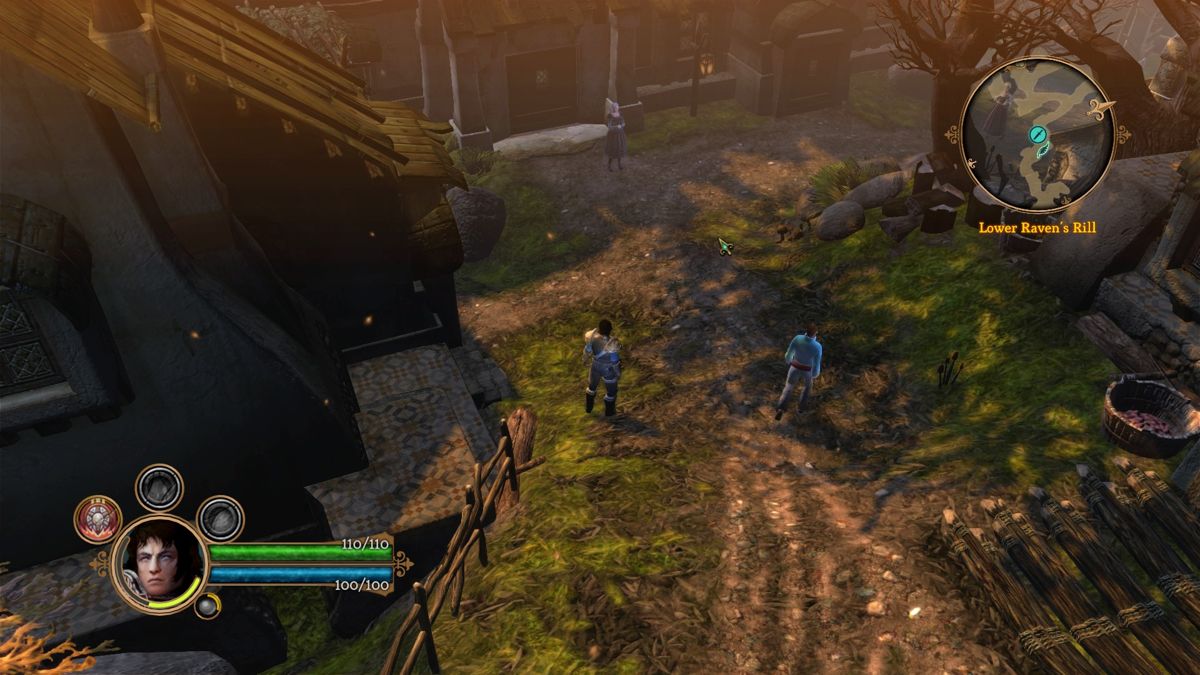
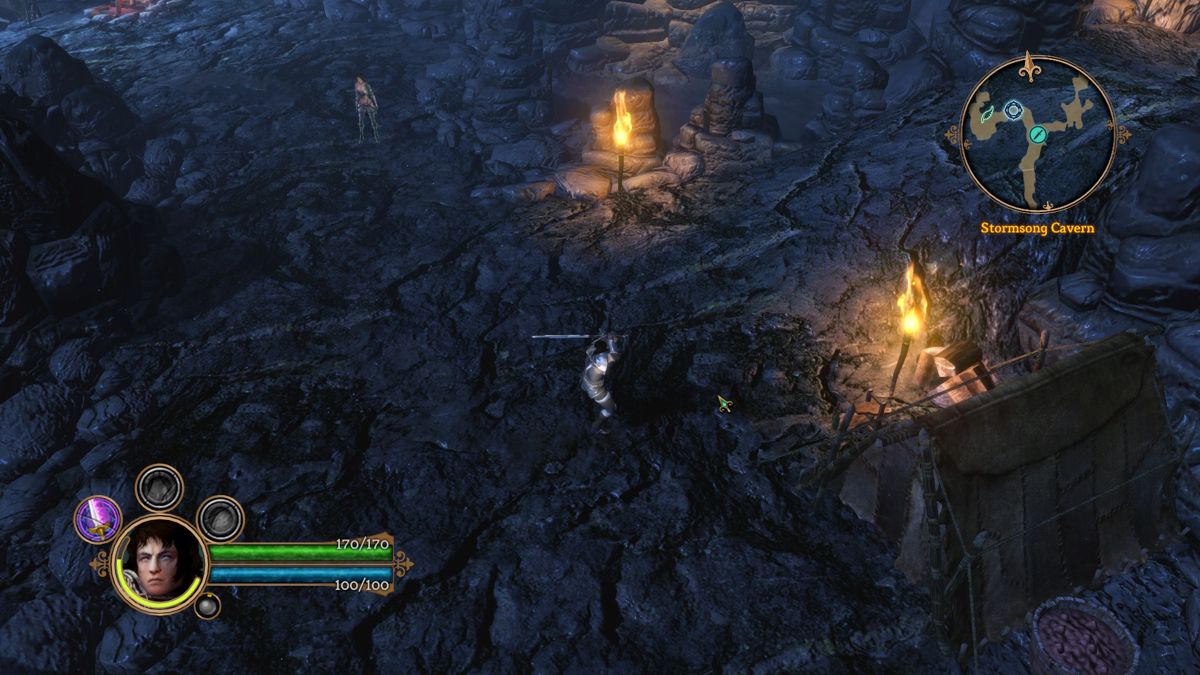
Dungeon Siege III uses a diagonal-down, 2D-scrolling view that keeps the battlefield in sight while you guide a hero and an AI partner through Ehb. The isometric battle screens make enemy clusters, dropped recovery orbs, and troop movement easier to follow than a closer camera would.
Story
Ehb is in bad shape from the outset. Jeyne Kassynder has defeated the land and is now targeting everyone tied to the Montbarron family, the elite guards at the center of the conflict. You play one of four people connected to that family, with the broad goal of surviving Kassynder’s purge and uncovering what drives it. It is a clean revenge-and-conspiracy setup, but the four selectable leads give the central struggle a more personal angle than a generic chosen-hero quest.
The stronger hook is that conversations and quest decisions do more than fill space between fights. You regularly choose how to resolve situations, including whether to pursue combat or a peaceful answer. Those choices can change a quest’s ending, and their consequences carry through the game rather than vanishing after a dialogue screen. That makes it worth slowing down when the game asks for an answer instead of automatically picking the most convenient route.
Even the main quest shifts slightly according to those decisions; a faction may support the heroes in a major battle depending on what you have done. Do not expect every branch to become a wholly separate campaign, but this kind of follow-through gives the adventure welcome weight. If you enjoy action RPGs most when a quest outcome feels like something you actually chose, Dungeon Siege III has a meaningful advantage.
Overall Experience
Dungeon Siege III is a solid 7.2-level action RPG because it commits to a particular blend rather than trying to be everything at once. The direct controls and stance-based combat make it approachable, while talents, specializations, equipment decisions, and companion development provide enough RPG texture to reward attention. The first hour is likely to win over anyone who wants to hit the ground fighting, and the upgrade choices become more satisfying as you learn what your chosen hero needs.
Frustration can set in if you arrive wanting Dungeon Siege to play like its predecessors. This entry is built around gamepad-style direct control, and its resource system makes recovery part of the combat loop instead of an inventory-management exercise. That is a real design preference, not a minor adjustment. You either enjoy staying mobile and feeding off enemy drops, or you may miss the security of potions and a more traditional control scheme.
For you, the payoff comes from the combination of active battles and decisions that echo beyond a single mission. Play it for a character-led run through a threatened fantasy land, experiment with a hero whose combat style fits you, and treat dialogue choices as part of the game rather than interruptions. It does not replace the earlier Dungeon Siege formula, but it offers a worthwhile, more immediate take on it—especially if you value an action RPG that lets your quest decisions leave a mark.

Reviews
There are no reviews yet.