 Retro Replay Retro Gaming History, Reviews & Emulation

Retro Replay Review
Gameplay
The first few minutes of Proteus can feel almost confrontational if you arrive expecting a conventional adventure. You begin near an island, move in first person, and receive no checklist, quest marker, or clear assignment. Then a creature catches your eye, a sound draws you over a hill, or the landscape changes around you, and wandering stops feeling like aimlessness. Curiosity becomes the whole control scheme.
Movement is your only direct form of interaction, which makes proximity matter. You chase animals, linger near strange elements, and let the island react through its changing soundscape. That narrow input can be wonderfully calming because it removes friction between you and the place, but it also means there is little to fall back on when the mood does not take hold. Proteus asks you to meet it halfway.
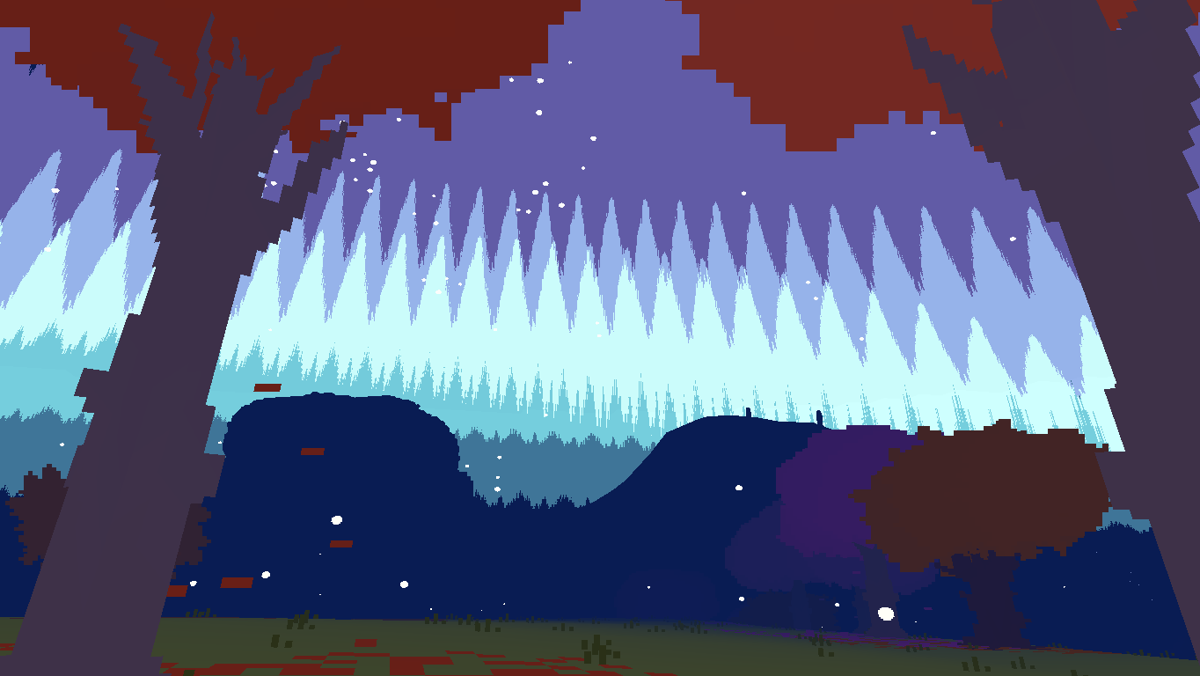
The seasonal cycle gives exploration a reason to continue beyond a single stroll. As seasons change, so does the environment, along with the animals and events you may encounter. Because the island is largely generated anew each session, you are not memorizing a route so much as learning how to pay attention. It is more satisfying as a place to revisit in short, open-minded sessions than as a game to mechanically conquer.
Graphics
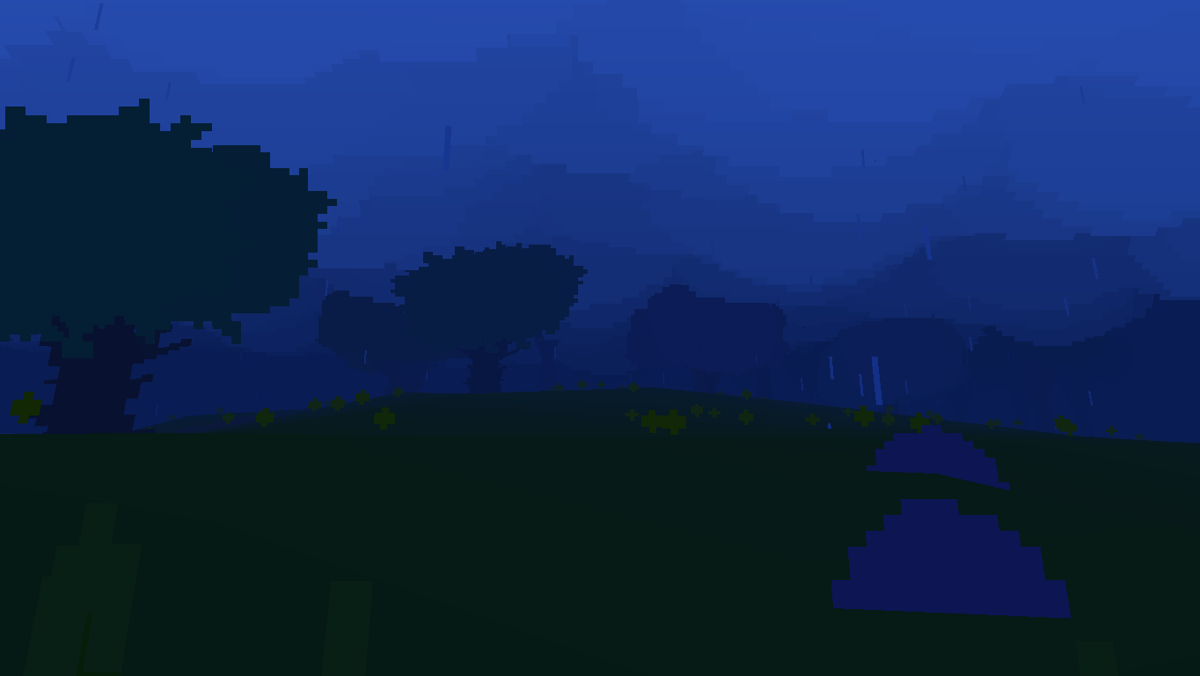
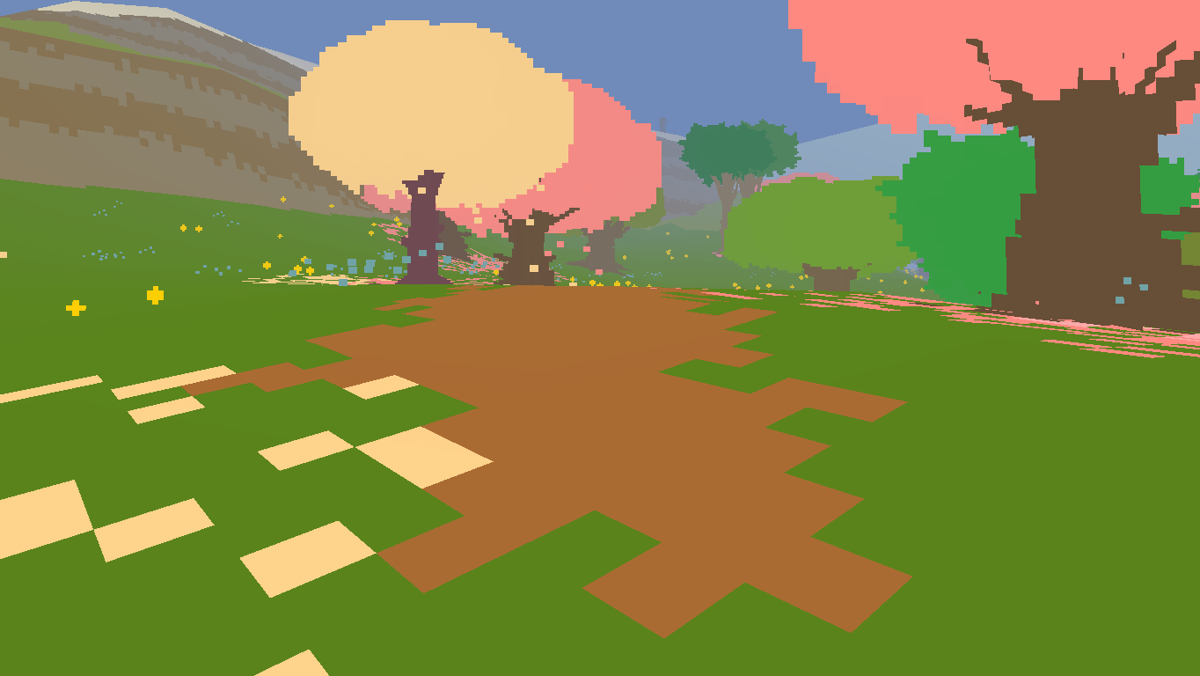
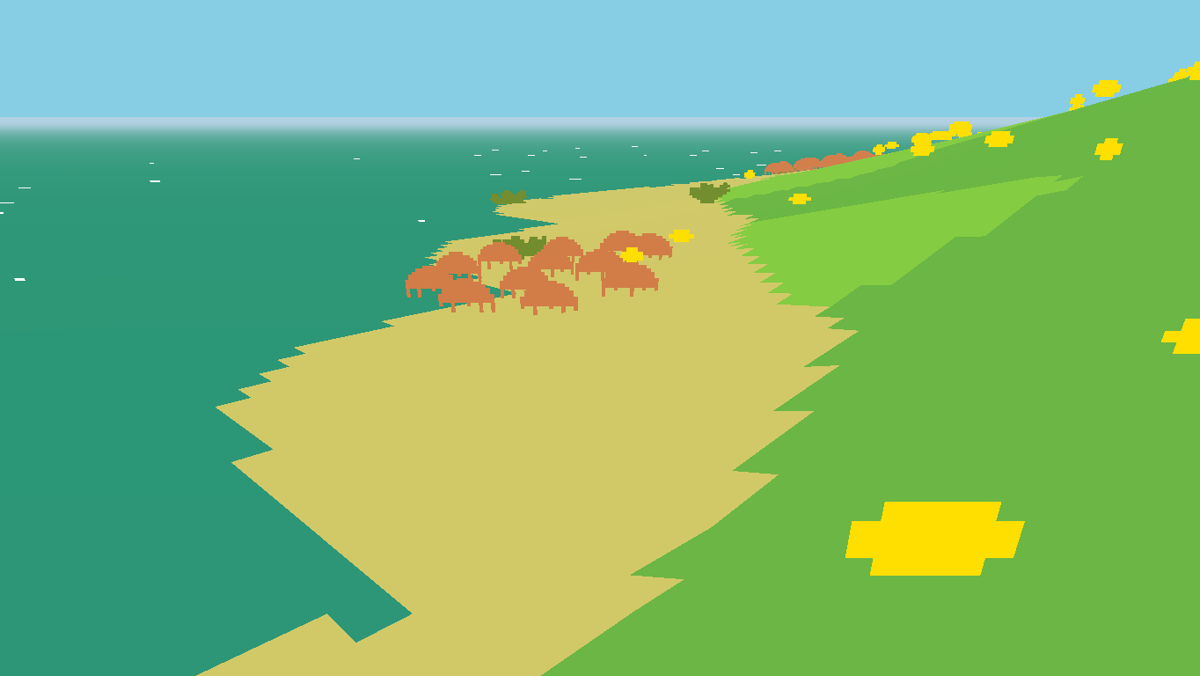
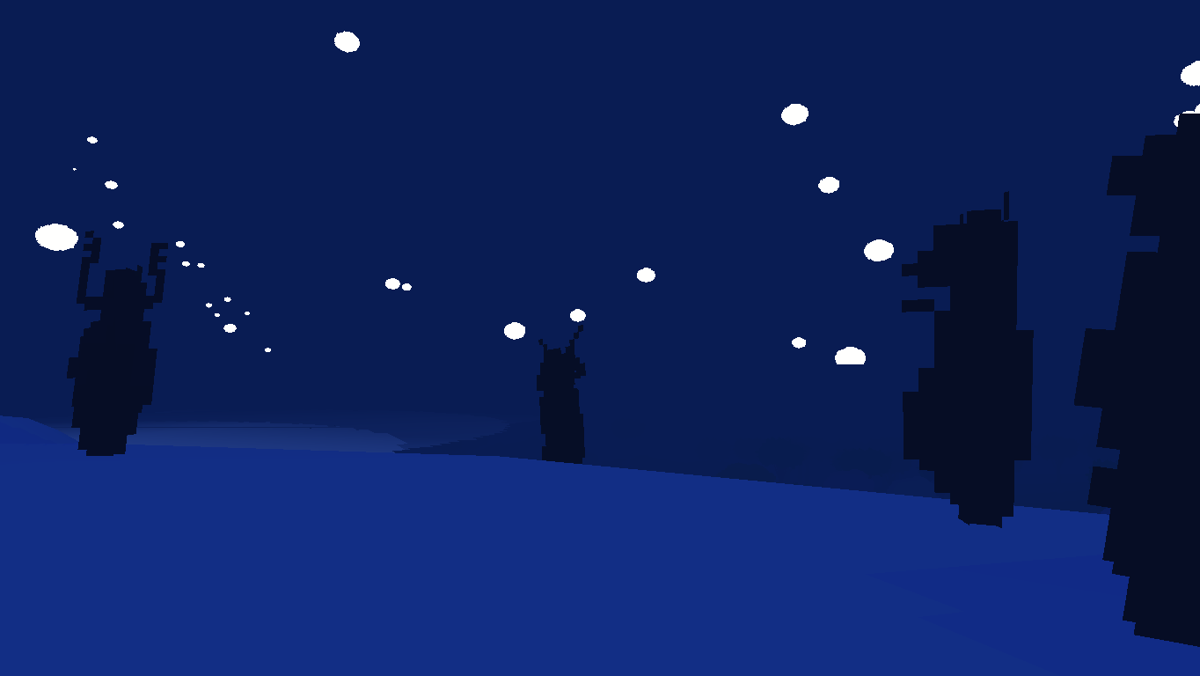
The island is rendered in a minimalist style from a first-person view, with water, land, creatures, and changing weather forming simple, uncluttered scenes. Its look fits the relaxed pace: you are usually scanning the horizon, walking toward a point of interest, and watching the world shift from day to night rather than parsing busy detail.
Story
There is no conventional plot pushing you from one event to the next. Proteus tells its “story” through the route you choose, the places you happen upon, and the changes you witness as the island moves through its cycles.
That makes the experience personal but also deliberately elusive. One person may come away with a vivid memory of a particular wander; another may feel they spent time in a beautiful space without being given much to hold onto. Neither reaction is wrong, and the game is honest about its priorities.
The real narrative thread is discovery: arriving somewhere unfamiliar, noticing how it changes, and deciding when you have seen enough. If you want characters, dialogue, or a dramatic payoff, this will not satisfy. If you can enjoy making your own meaning from a quiet journey, the lack of explanation is part of the charm.
Overall Experience
Proteus is at its best when you stop asking what you are supposed to do and start following whatever seems interesting. The changing ambient audio is crucial here: locations, events, and nearby animals alter the music and environmental sound, so exploration feels less like crossing empty ground and more like composing a route through the island.
Its limits are inseparable from its strengths. The absence of goals, direct interaction, and a fixed path creates a peaceful sense of freedom, yet it can also leave you cold if you need tension, challenge, or clear rewards. This is not a game for filling a long evening with constant momentum.
At 6.7, Proteus lands as a distinctive but specialized recommendation. Give it a chance if you enjoy meditative exploration and are willing to let atmosphere do most of the work. Skip it if “nothing but walking” sounds like a complaint rather than an invitation; the payoff is subtle, and it only arrives when you are willing to slow down.



Reviews
There are no reviews yet.