 Retro Replay Retro Gaming History, Reviews & Emulation
Retro Replay Review
Gameplay
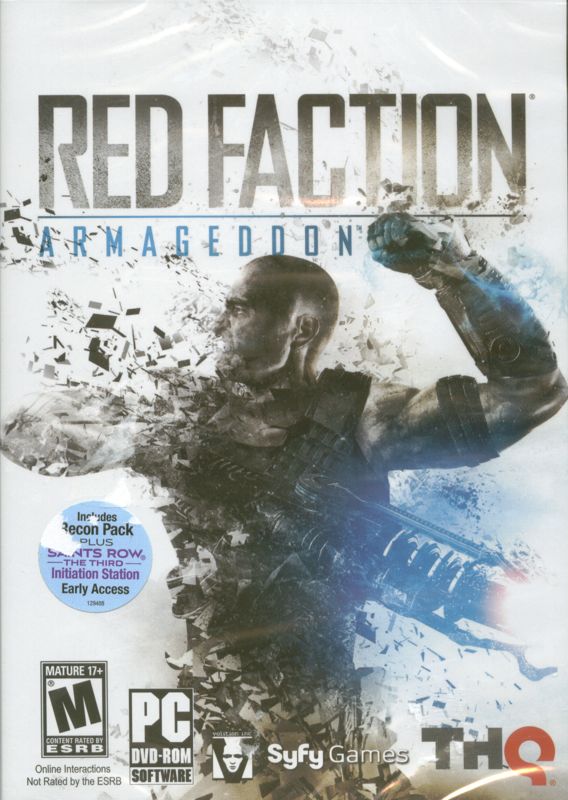
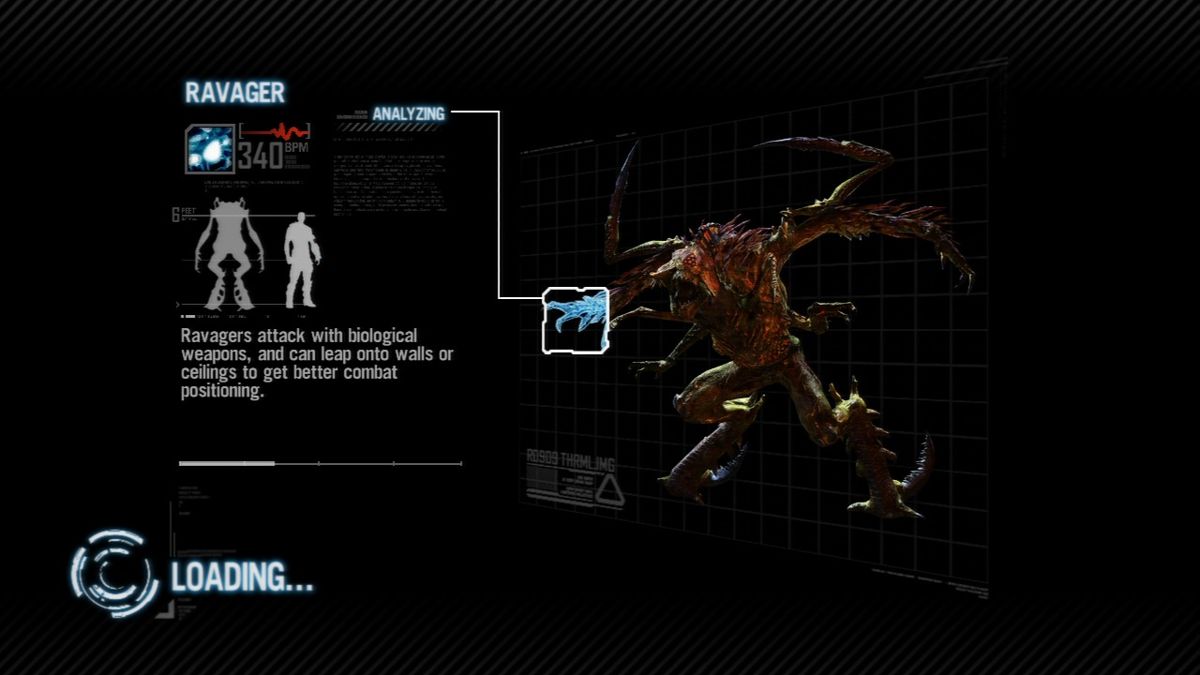
Red Faction: Armageddon starts with a pleasingly blunt rhythm: push deeper into Mars, meet a crowd of enemies, and turn the room into debris before they turn you into one. Darius Mason has conventional and science-fiction weaponry at hand, while hostile aliens and human cultists keep the pressure on. It is a linear third-person shooter from beginning to end, and that is the adjustment you need to make if you came from Guerrilla expecting another wide-open Martian sandbox.
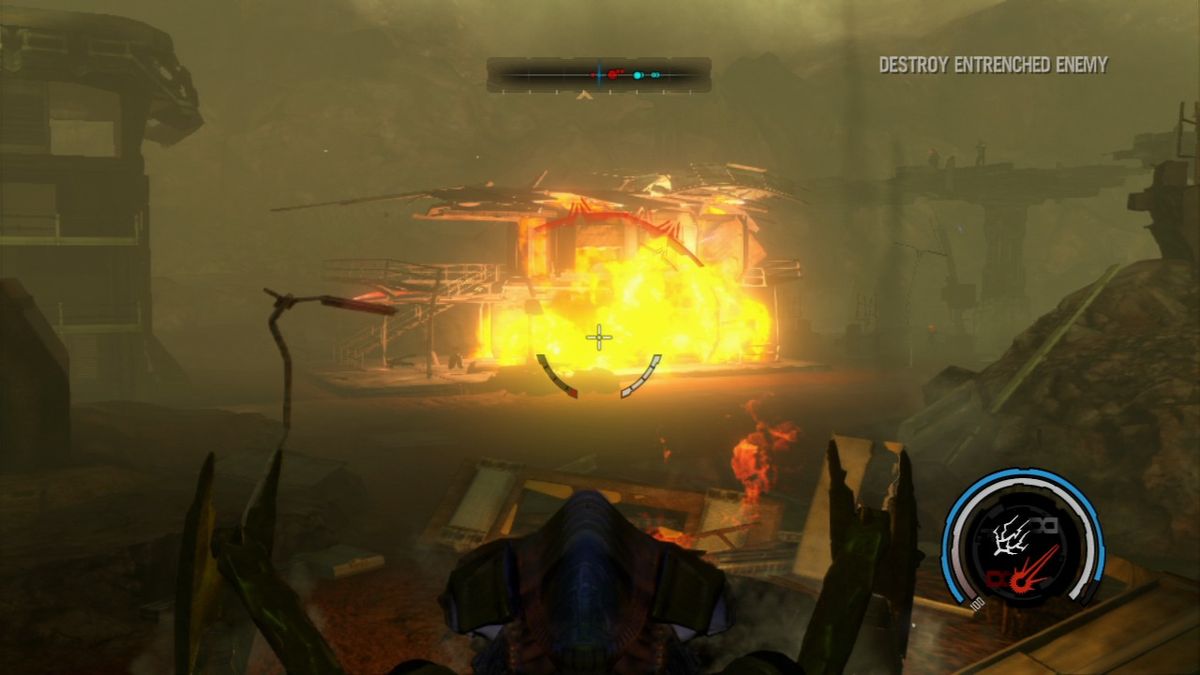
The destructible terrain remains the reason to play. Breaking apart the environment is not merely decorative when falling wreckage and damaged surroundings can help dispose of enemies. Better still, Armageddon avoids making destruction a self-inflicted dead end: Darius can repair his surroundings, so reckless demolition becomes part of the loop instead of a constant penalty. That push-and-pull—smash a route or an enemy position apart, then rebuild what you need—gives familiar corridor shooting more personality than it would otherwise have.
Scrap scattered through the levels adds a small but worthwhile reason to look around. You can exchange it for character and weapon upgrades, which makes a brief detour feel useful rather than like busywork. Boss encounters and vehicle sequences, including mech sections, also break up the routine at sensible moments. None of that changes the fact that most of the campaign is forward movement and combat, but it prevents the underground trek from becoming completely one-note.
The biggest frustration is simply the loss of freedom. Armageddon channels the series’ destruction into authored levels instead of letting you roam across Mars, and the campaign’s tunnels naturally feel more restricted as a result. If what you loved was making your own chaos in the earlier Red Faction lineage, this is a narrower follow-up. If you can accept that change, the focused pace has its own no-nonsense charm.
Graphics
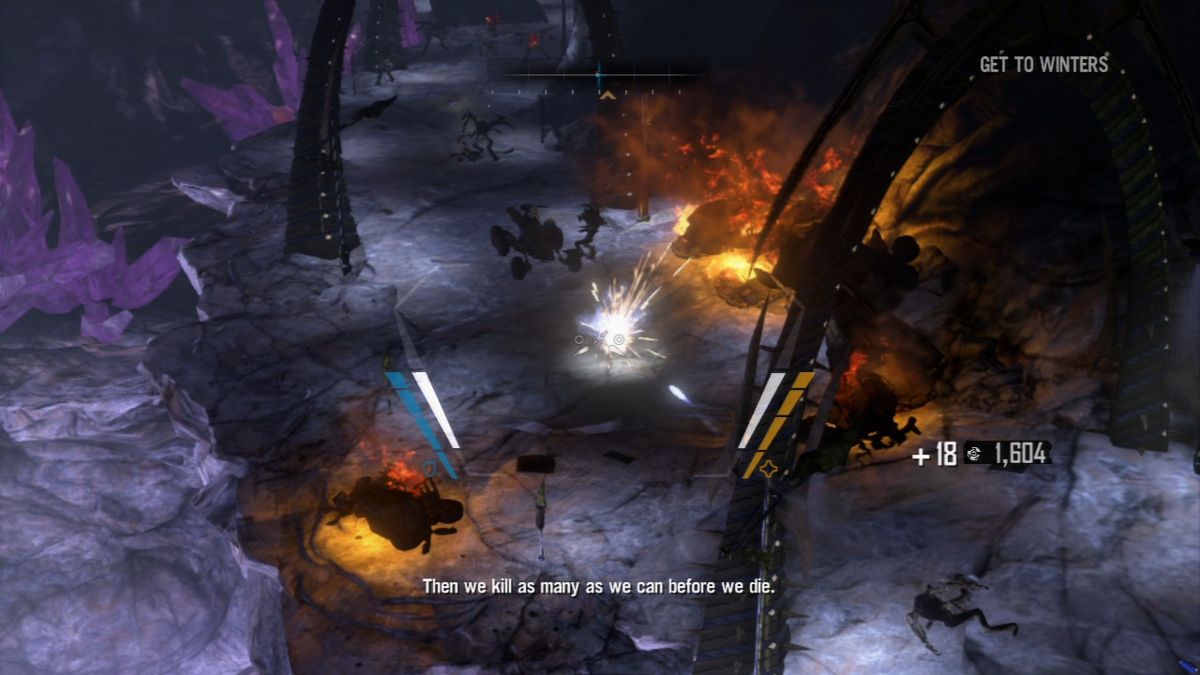
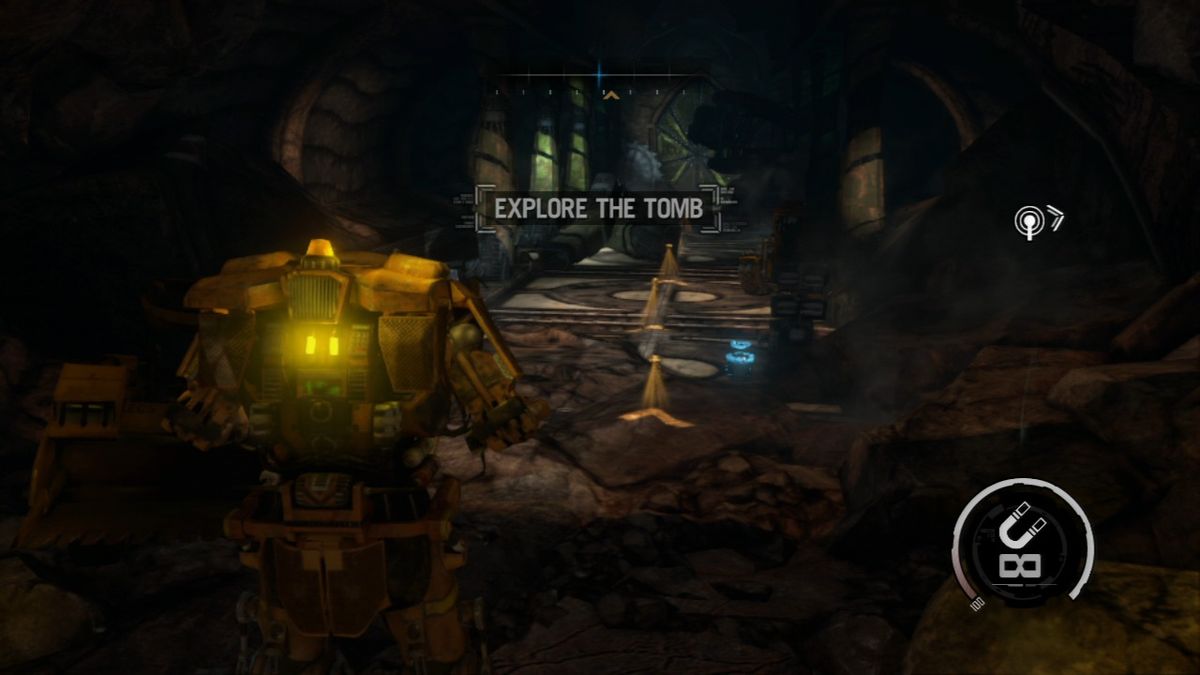
Mars has moved underground here, so you spend much of the game in tunnels and enclosed combat spaces rather than an open planetary landscape. The behind-the-back camera suits the firefights, and the important visual payoff comes when walls and other terrain break apart under your attacks. It is easy to see why the repair device matters after you have torn up the space around you.
Story
The setup gives Darius Mason a suitably rough starting point. Fifty years after the events of Guerrilla, Mars loses the machine that maintained a human-friendly atmosphere, forcing humanity below ground. Darius shares blame for that catastrophe, and he then accidentally releases a hostile alien race. It is the kind of disastrous résumé that makes his mission to fix things feel less like heroics and more like overdue cleanup.
There is also a nice bit of tension in the fact that the survivors have little reason to trust him. Darius wants the best for his people, but good intentions do not erase the damage already done. That gives his trip through the tunnels a personal burden beyond simply clearing monsters from the next room.
Still, the story mainly exists to propel the action. The campaign is about getting out there and setting things right through firefights, not lingering on the wider consequences of Mars’ collapse. That directness works for a shooter this focused, though anyone hoping for the social and political side of the crisis to become the main attraction may find the narrative lighter than the premise suggests. For broader background, this Red Faction: Armageddon history is useful after the credits.
Overall Experience
Armageddon is an enjoyable action game that makes a controversial trade: it gives up open-world freedom for a more controlled campaign, then relies on destruction to keep that campaign lively. Sometimes that works extremely well. When a fight lets you use the environment against alien masses and repair the fallout afterward, it captures a hands-on kind of chaos few shooters offer.
Outside the campaign, the destruction mode cuts straight to the guilty pleasure of smashing as much scenery as possible before time runs out. The cooperative mode, built around fighting enemy waves with up to four people, is the better fit if you have a group that wants extra combat after the story. These modes reinforce what Armageddon does best: immediate action and breakable surroundings.
The payoff is worth it for you if a brisk, linear sci-fi shooter sounds good and you can enjoy destruction as a combat tool rather than demanding Guerrilla’s open-ended structure. It does not replace that earlier style, but it has enough destructive fun, upgrade-driven exploration, and combat variety to stand on its own as a solid Mars clean-up job.


Reviews
There are no reviews yet.