 Retro Replay Retro Gaming History, Reviews & Emulation
Retro Replay Review
Gameplay
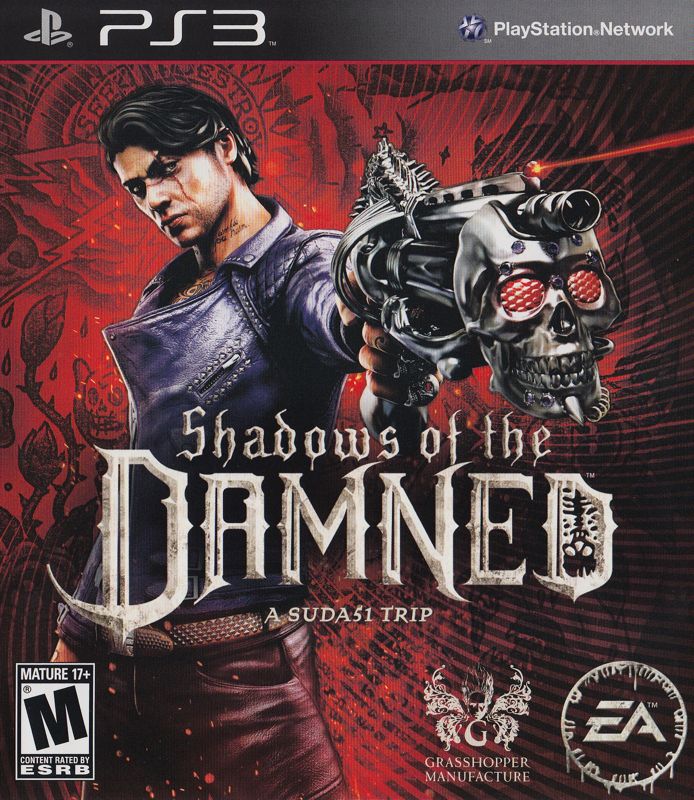
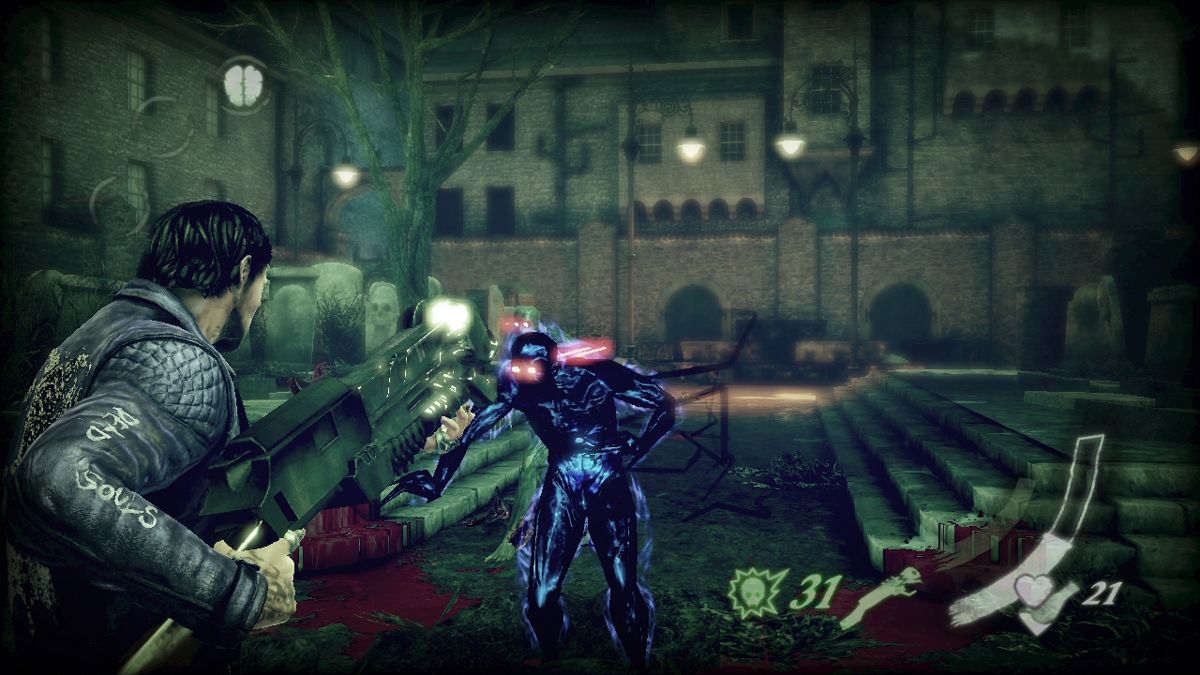
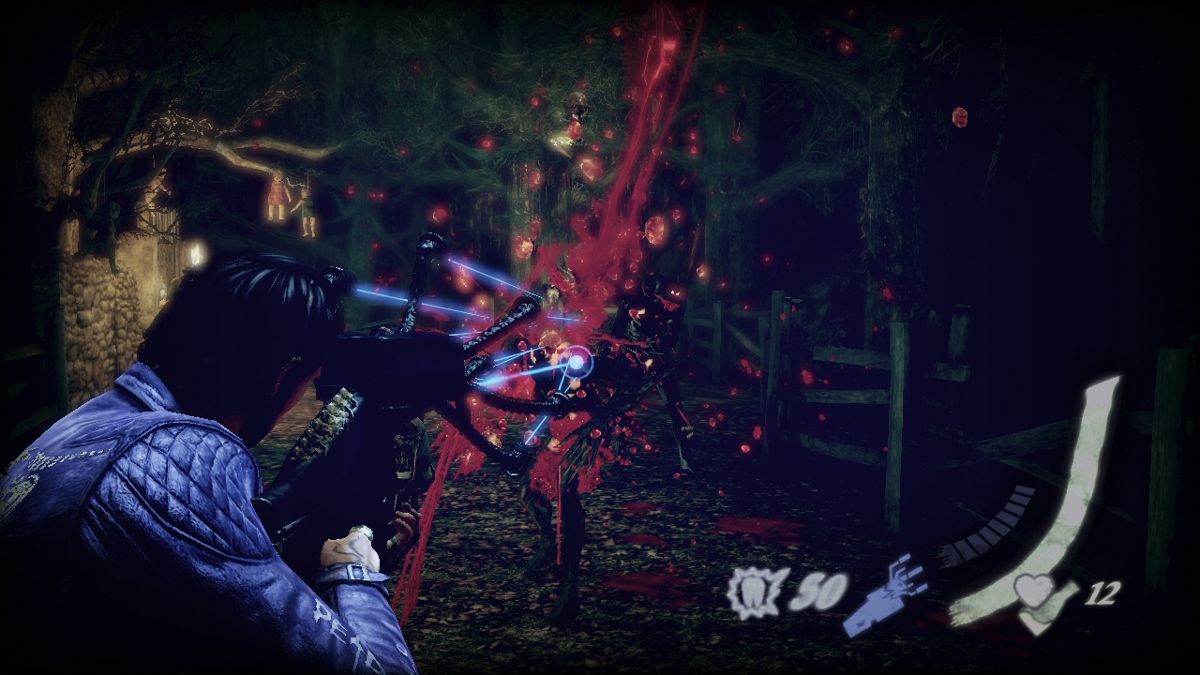
The first hour makes its intentions plain: you are marching Garcia Hotspur through hell to rescue Paula, shooting demons with weapons formed by his skull sidekick Johnson, and listening to a steady stream of deliberately crude humor. It is a third-person shooter with a wonderfully silly core image, but it does not coast on that image. Johnson shifts between a torch for close-range attacks and three firearm forms—the pistol, shotgun, and automatic rifle—so encounters keep asking you to pick the tool that suits the range and pressure in front of you.
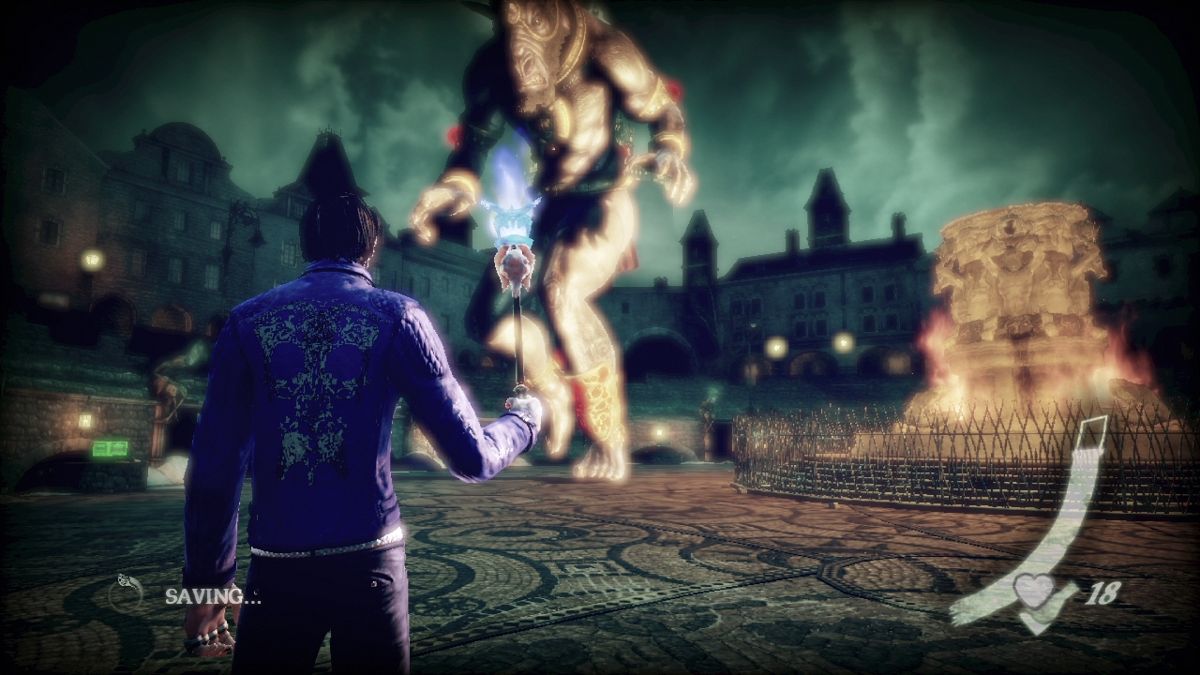
What makes the combat more than straightforward target shooting is the darkness. Garcia cannot linger in dark zones indefinitely without bleeding health, turning light into a survival resource rather than set dressing. You use special light bullets to shoot goat heads, trigger fireworks, or remove the demons spreading the darkness. At its best, this creates urgent little combat-puzzle loops: clear enough space to breathe, then deal with the enemies before the darkness takes that safety away.
That pressure can also be the source of frustration. When you are trying to identify the thing that will relight an area while health is ticking down, the game can feel more demanding than clever. Still, the rules are clear enough that the tension usually turns into satisfaction once you spot the answer. Treat light ammunition as a problem-solving tool, not just another shot type, and these sections become much less punishing.
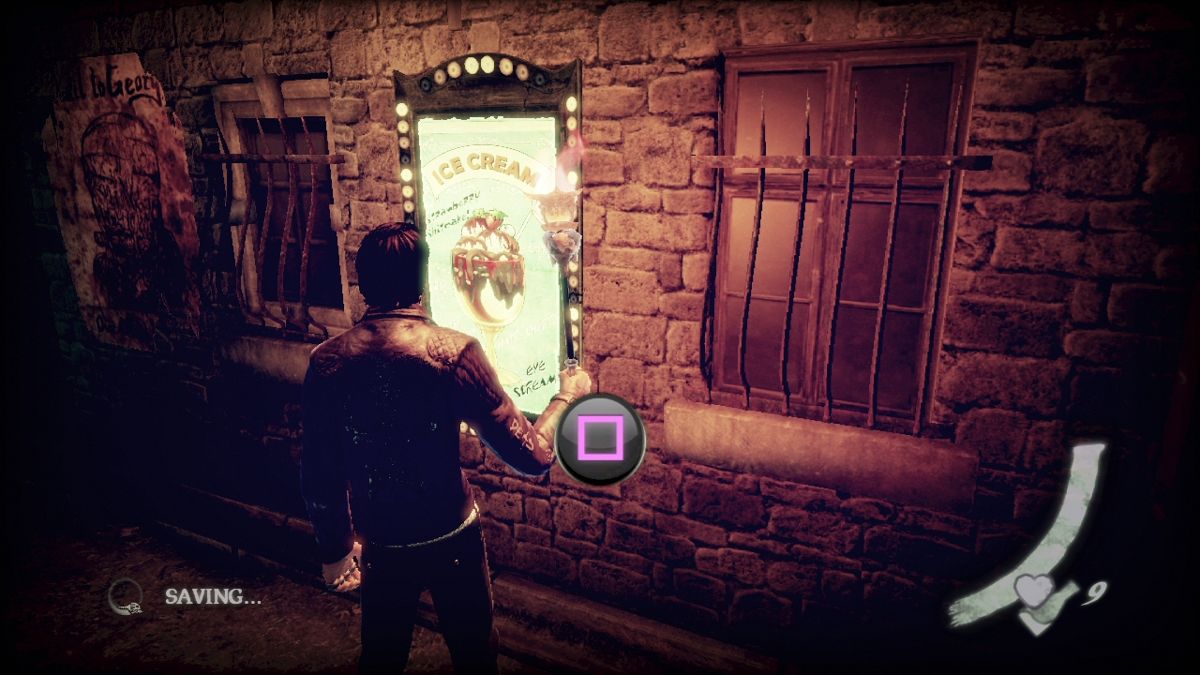
Progression has a pleasantly old-fashioned directness. Bosses leave blue gems for improving the gun forms, while red gems improve other abilities and health; alcohol restores health as you go. Christopher, a half-human, half-demon salesman, gives the trip an excuse to pause and spend what you have collected. The occasional hard detour into minigame territory, including a 2D side-scrolling shooter with a different art style, keeps the campaign from settling into one rhythm. Not every change is equally necessary, but the willingness to be strange is a major part of why the game sticks in your memory.
Graphics
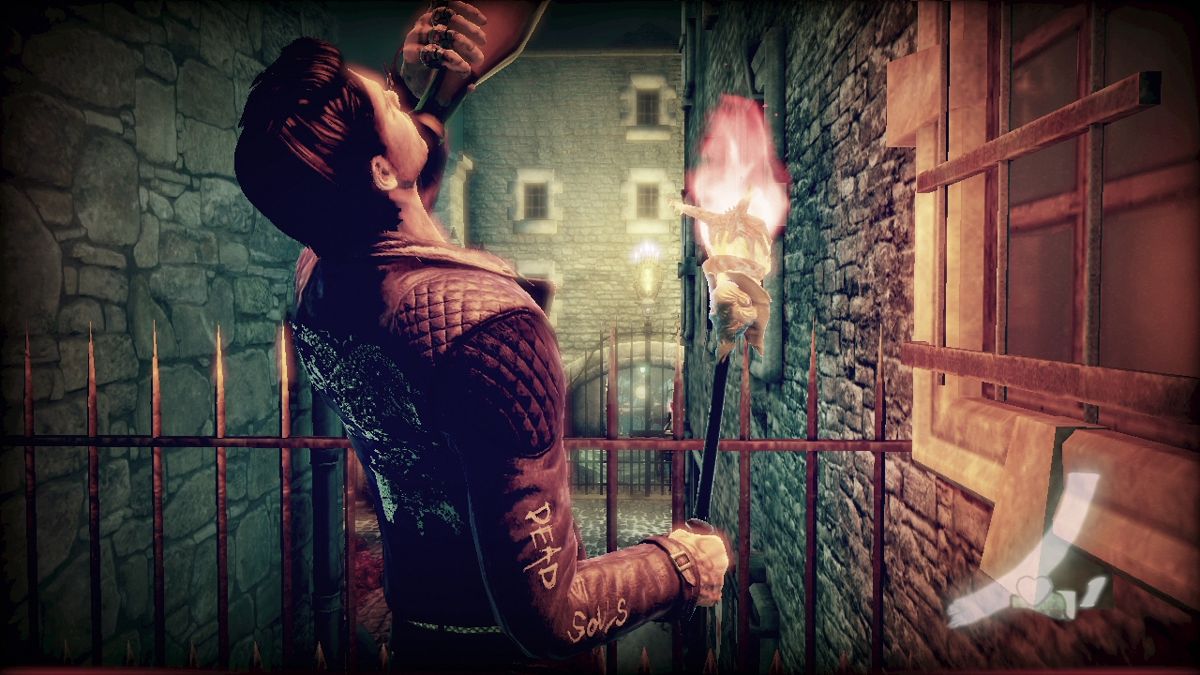
The game is built around third-person views of Garcia moving through the underworld, with demons, darkness, and bursts of light doing much of the visual work. Johnson’s shifting forms give Garcia’s equipment a tangible on-screen personality, especially when the skull becomes a torch or one of the guns.
The 2D side-scrolling shooter segment stands apart with very different art design, a sharp break from the usual behind-the-back shooting. That contrast fits a game that prefers unruly surprises to a single consistent look.
Story
This is a rescue story stripped to its bluntest, most useful motivation: Fleming, Lord of the Demons, takes Paula, Garcia fails to stop him, and then follows him into the underworld. You always know why you are heading forward. The plot is not trying to become a delicate drama; it is fuel for a demon-hunting road trip.
Garcia and Johnson carry much of the tone. Their conversations lean humorous and over the top, so the trip through hell is less solemn than its premise suggests. That choice will either be the hook or the deal-breaker. If you enjoy tasteless banter and action games willing to be loudly ridiculous, the dialogue helps make even routine movement feel like part of a specific, oddball journey.
Supporting encounters with figures such as Colonel and Christopher add texture without distracting from Garcia’s objective. Fleming’s role as the demon lord at the center of the kidnapping gives the whole adventure a clean target. For more game-specific release and history details, see the Shadows of the Damned overview.
Overall Experience
Shadows of the Damned is worth your time if you can meet its adolescent, maximalist sense of humor on its own terms. It has the feel of a shooter that wants every stretch to have a gimmick, a grotesque joke, or a new reason to turn darkness into trouble. The result is uneven, but rarely anonymous.
The strongest moments come when combat, light management, and Johnson’s transformations overlap. You are not merely clearing a room; you are trying to survive its darkness, find the means to change the conditions, and choose the weapon form that ends the fight. That is a more involving loop than the game’s intentionally silly surface initially suggests.
Its weak spots are tied to the same ambition. Darkness sections can nag, and the broad comedy will not land for everyone. But a 7.6 feels fair: this is a flawed, aggressively weird shooter with enough mechanical ideas and personality to earn a recommendation for anyone tired of polished action games that never take a strange turn.


Reviews
There are no reviews yet.