 Retro Replay Retro Gaming History, Reviews & Emulation
Retro Replay Review
Gameplay
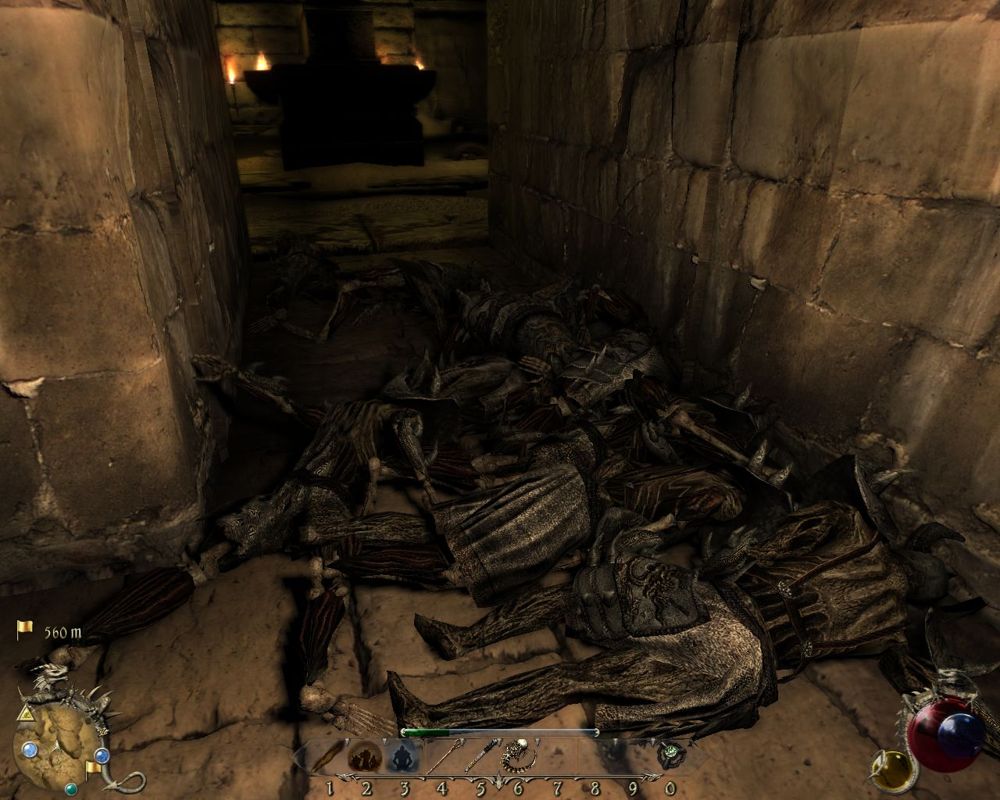
The first hour has a useful shape: Two Worlds II starts with an escape from Gandohar’s prison, uses that confinement to teach you the basics, then opens into Antaloor. That transition matters. You are not just handed a big map and told to make your own fun; you get a clear immediate reason to move forward, followed by enough room to start wandering.
Its best ideas are the ones that let you build toward the kind of fighter you want to be. You can shift between warrior, ranger, and mage setups by changing equipment, but your skill-point choices still determine whether that new loadout actually works. Combat growth also comes through feats and skills, while spells can be combined through card modifiers to alter or strengthen their effects. If you like testing combinations rather than locking into one class early, this flexibility is a genuine draw.
Crafting has more bite than a simple loot-cleanup system. Weapons and armor can be improved in different ways, and unwanted inventory can be broken into basic materials such as cloth, wood, and iron. Alongside forging and alchemy, it gives you a reason to pay attention to what you carry. Horseback travel and limited sailing add variety to getting around, though the real point is still the long trek through quests, caves, dungeons, and hostile territory.
The catch is that Antaloor does not politely scale every fight around you. Enemy levels are fixed, so you will sometimes hit a monster or group that is plainly beyond your current abilities. That can be frustrating when you arrive expecting every visible objective to be immediately conquerable, but it also makes retreat, preparation, and returning later feel like sensible RPG behavior rather than failure. Go in ready to roam and reassess, not to clear the map in a neat order.
Graphics
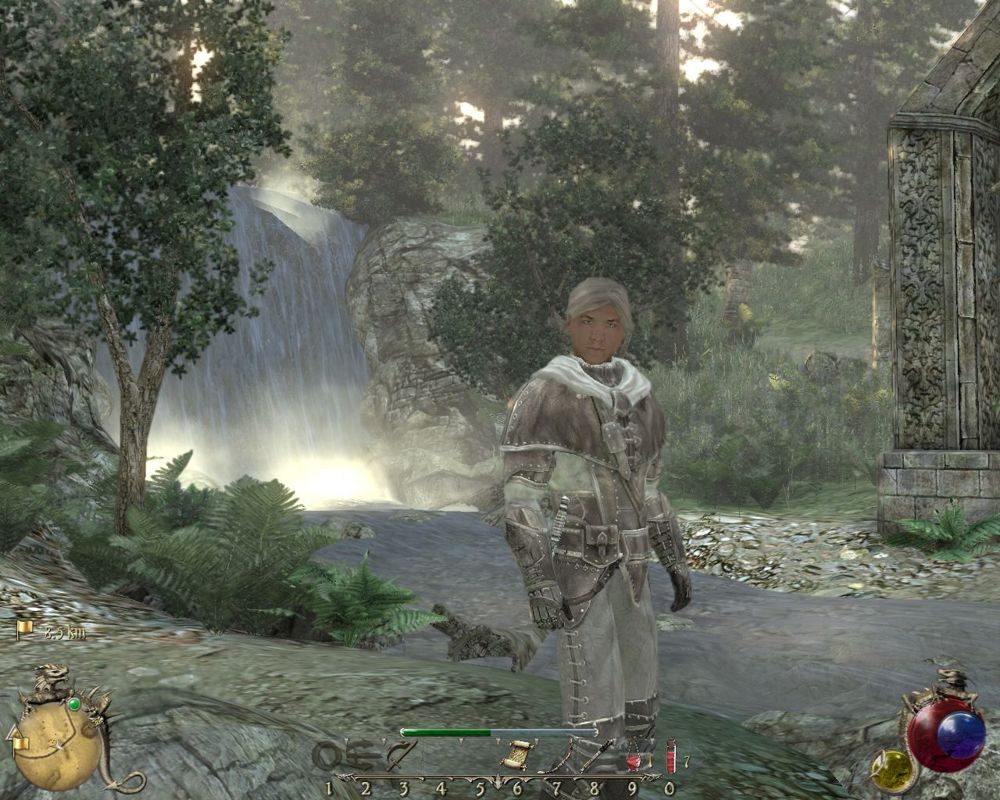
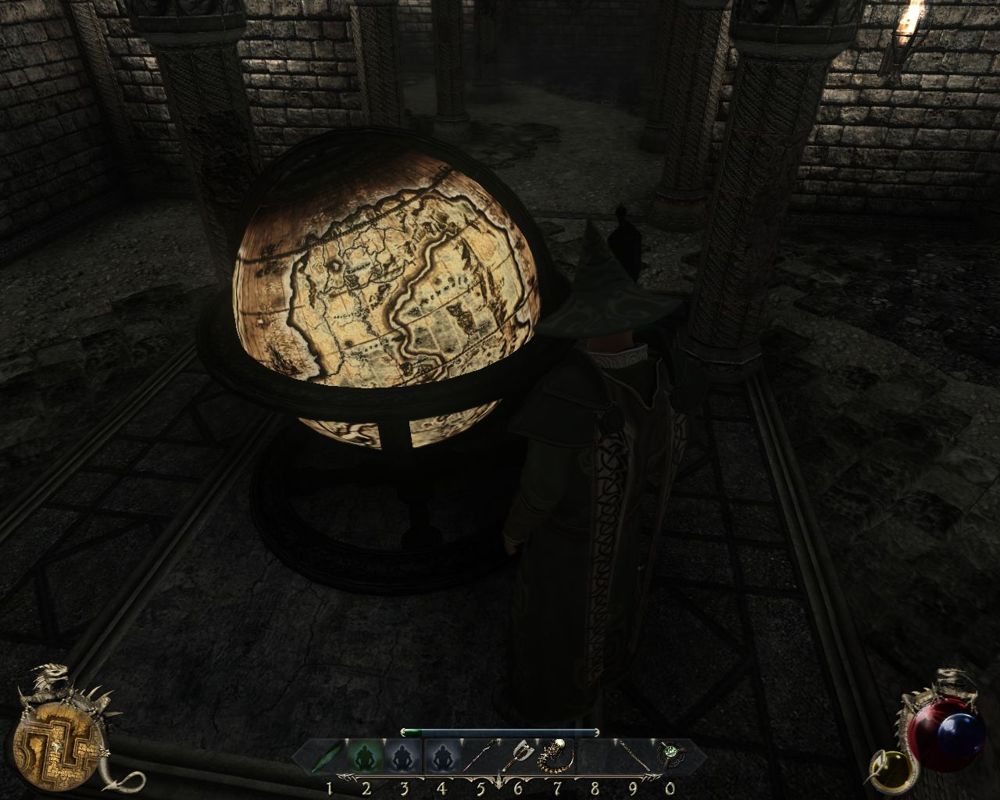
Antaloor gives you a broad fantasy travelogue: deserts, forests, swamps, seashores, cities, rural ground, hidden caves, and dungeons. The first-person and behind-view options let you take in those spaces from close range or keep a wider view of your character as you ride, fight, and explore.
Story
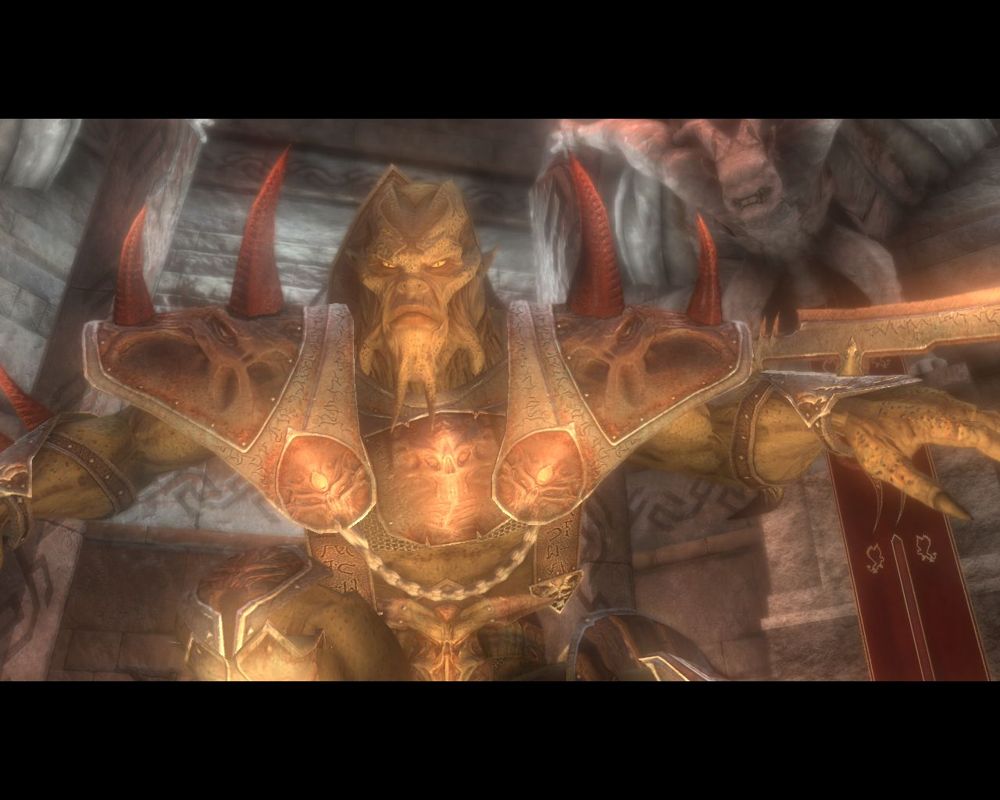
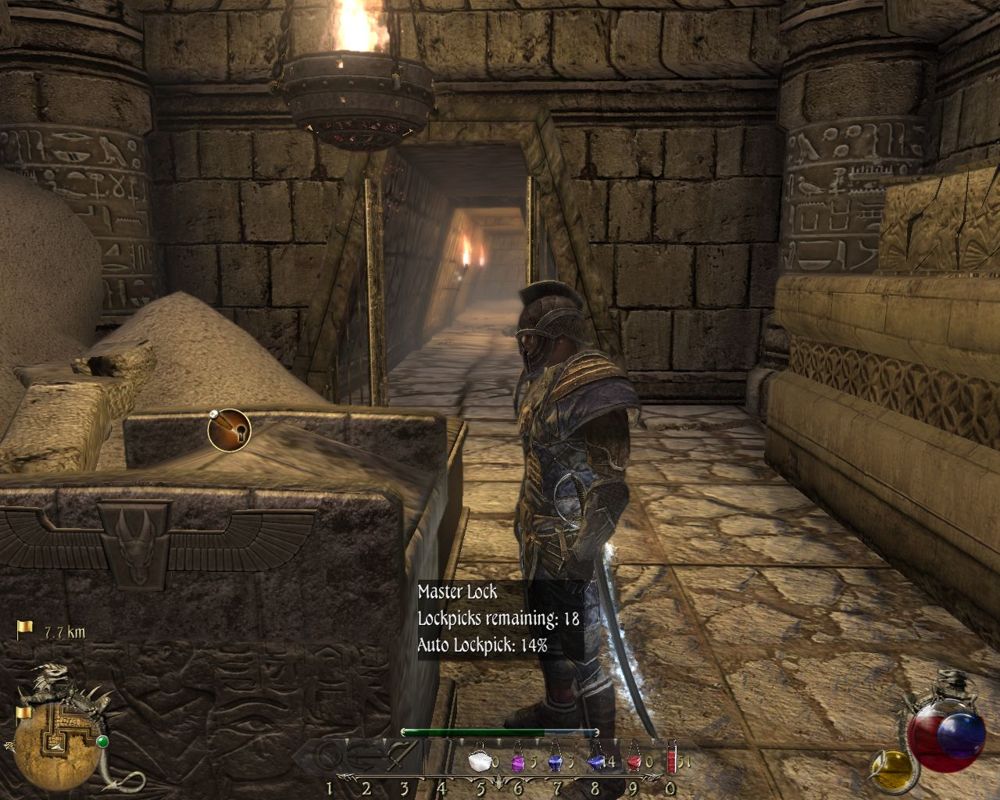
This sequel picks up after the opening of Aziraal’s tomb, when the ancient Orc god’s power transfers to the hero’s sister. Gandohar wants that power for himself, captures both siblings, and drains it from her. It is direct, high-stakes fantasy motivation, and it gives the opening escape more urgency than a routine tutorial would have.
You play a male hero in the single-player campaign, with the rescue of his sister and the threat of Gandohar driving the main thread. The plot does not ask you to decipher an especially tangled premise: an imprisoned hero needs to get free, cross a dangerous land, and confront the force exploiting his sister. That clarity suits a game where exploration and character-building can easily steal your attention.
Coming from the first Two Worlds, the setup has more weight because it continues its central conflict rather than starting from scratch. Newcomers can still grasp the immediate danger, though: Aziraal’s stolen power is dangerous, Gandohar is abusing it, and the journey out of prison is only the beginning. The story works best as a firm excuse to keep pushing into the next region and quest line.
Overall Experience
Two Worlds II is for the RPG gamer who enjoys a messy, generous adventure more than a tightly controlled one. There is a lot to do—enough quests to potentially occupy around 100 hours—and the range of environments keeps the road from feeling confined to one flavor of fantasy. The game is strongest when you pick a direction, run into trouble, adjust your build or gear, and head back out smarter.
Patience is part of the deal. Fixed-level enemies can punish curiosity, and the freedom to swap combat styles only pays off if you have spent skill points with some thought. Yet that friction helps the world retain teeth. You are not merely changing hats between warrior, ranger, and mage; you are living with the consequences of how you developed the character underneath the equipment.
There is also multiplayer for up to eight people across Crystal Capture, PvP, Dual, a seven-chapter Adventure mode, and Village mode, with newly created male or female characters from several races. That is a substantial extra path for a group, but the single-player campaign remains the reason to play. Give it a chance if experimenting with magic, crafting, and builds sounds as satisfying as chasing the next story objective; skip it if you need every encounter to meet you at your current power level.


Reviews
There are no reviews yet.