 Retro Replay Retro Gaming History, Reviews & Emulation
Retro Replay Review
Gameplay
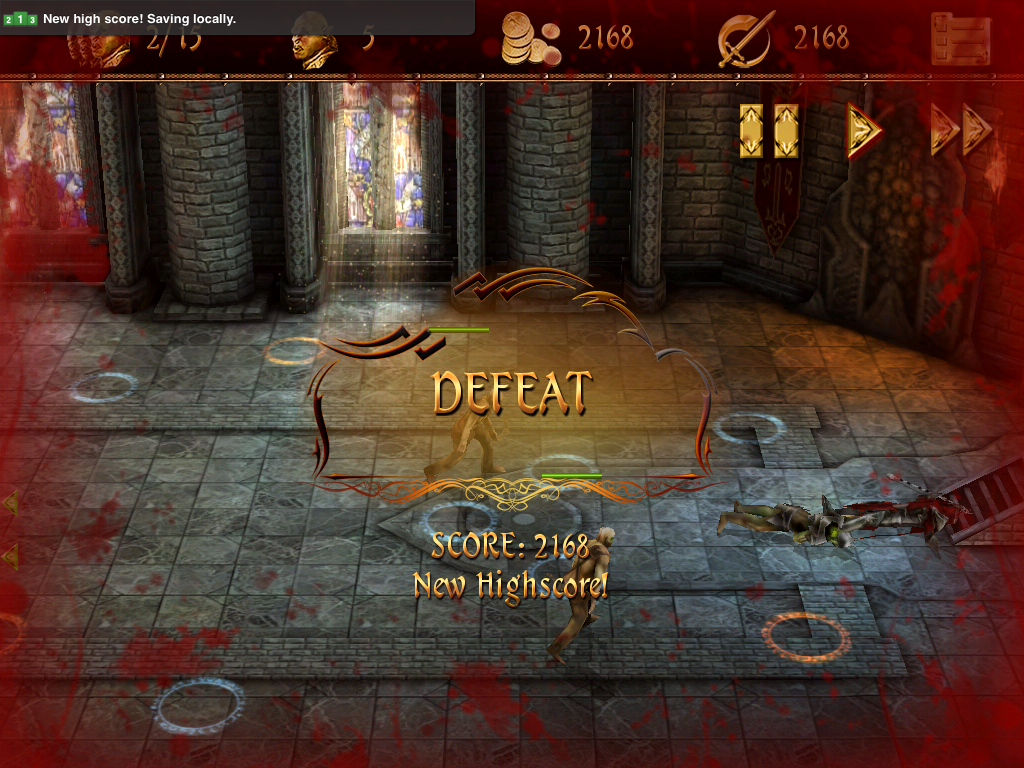
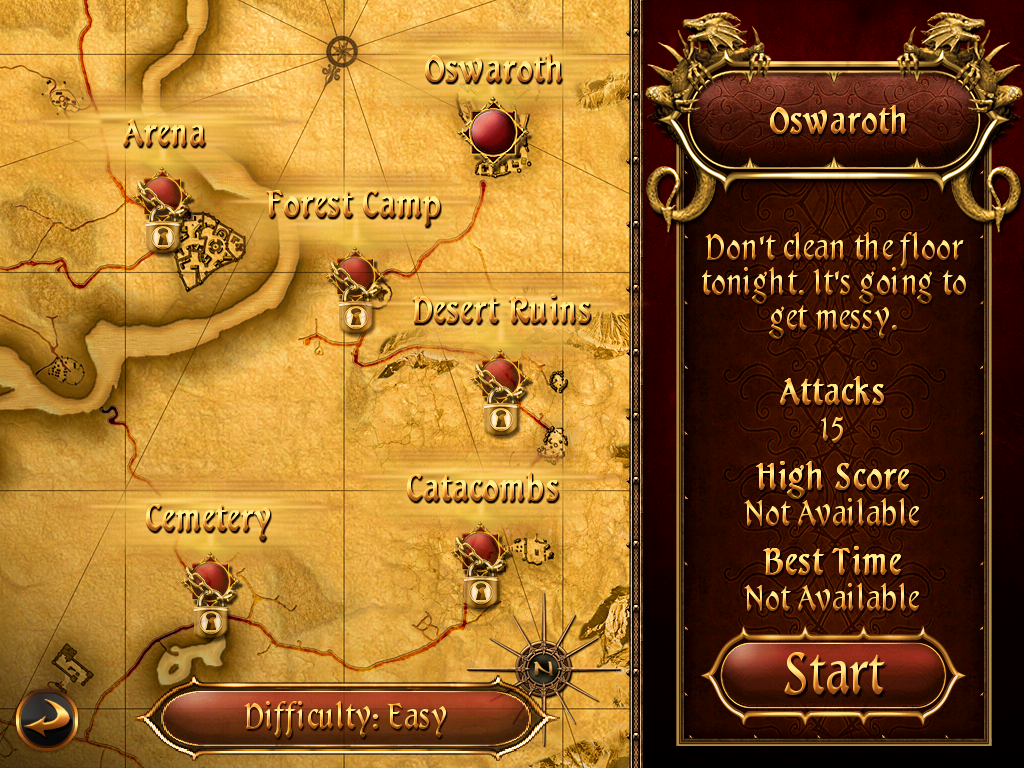
The first wave tells you exactly what sort of tower defense this is: your job begins with placement, but it does not end there. Troops occupy predefined positions and automatically engage enemies that stray close enough, so the basic structure is familiar. The difference is that you remain involved once the fighting starts. Offensive spells let you hit foes yourself, while support magic can move units around when an early decision stops looking so clever.
That hands-on layer is the strongest reason to play Castle Defense. A wave can turn from routine to tense when enemies bunch up at the wrong section of the defense, and being able to pause at any time gives you room to assess the mess rather than merely watch it happen. It is a welcome middle ground: you still need to plan a formation, but you are not locked into it after pressing start.
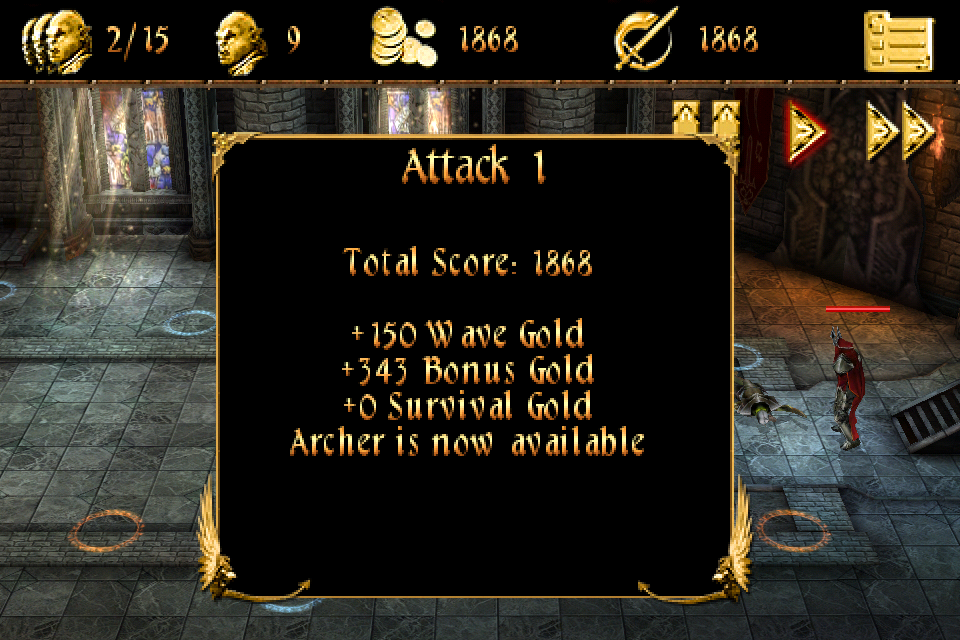
Money earned between waves creates the other important decision. You can add units, improve an existing unit’s offense or defense up to five times, or upgrade the player character’s abilities. Because rewards reflect defeated enemies, overall performance, and surviving troops, clean defense matters. The catch is that fallen troops eventually return after a few minutes or when a wave ends, which softens the consequences of losses. That makes the game more forgiving, though it can also reduce the pressure that makes the best tower-defense games so compulsive.
With only five levels, this is a concise strategy diversion rather than something built to occupy you for weeks. Still, the mix of automatic combat, spell use, pausing, and post-wave spending gives each level a decent tactical pulse. If you enjoy adjusting a defense while it is under strain instead of treating each wave as a spectator event, this approach has real charm.
Graphics
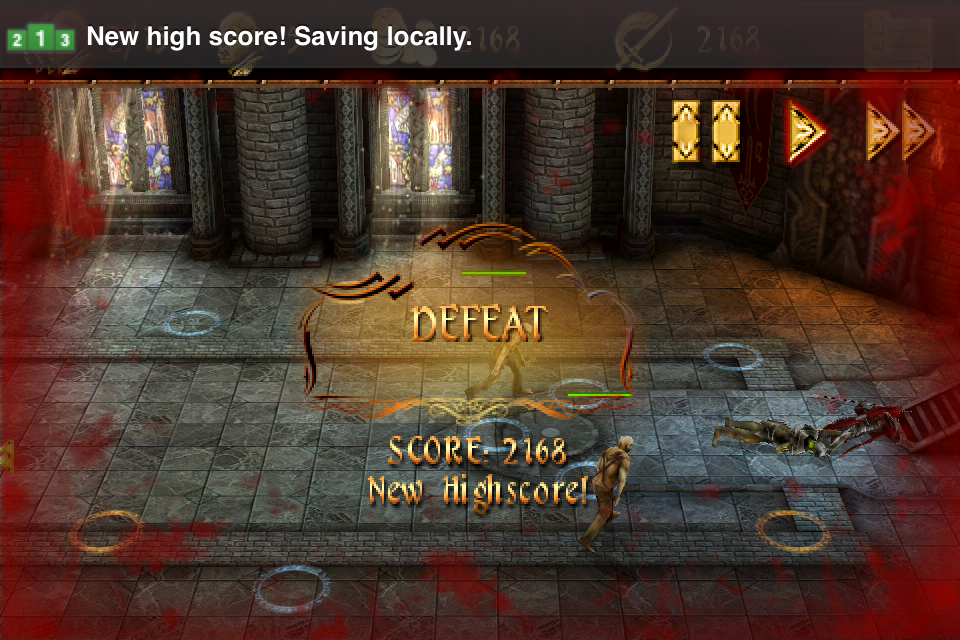
The diagonal-down battle view is a sensible fit for following units as they hold their assigned points and enemies roll toward them. It keeps the important tactical question—where the line is breaking—easy to read during a busy wave.
Story
This is an unusual chance to spend time on the opposing side of the wider Two Worlds conflict. You control emperor Gandohar or his right-hand man Sordahon, figures known as antagonists in Two Worlds II, as they fight against the orcs.
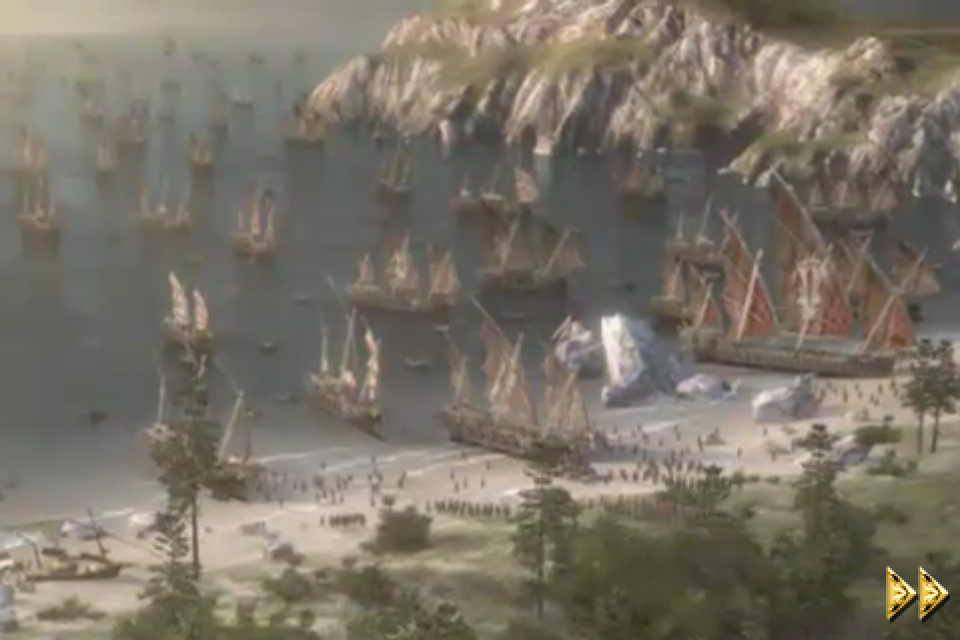
The story sits between the first two Two Worlds games, so its main value is as extra context for fans who want another angle on the setting. Casting Gandohar and Sordahon as the defenders gives the battles a different framing from a standard heroic fantasy stand.
Do not expect the narrative premise to carry the package by itself. The plot is chiefly a reason to move through the five defenses, while the real satisfaction comes from making a formation hold and rescuing it when a wave starts to overwhelm it. Familiarity with the role-playing games will add flavor, but the strategy loop does the heavier lifting.
Overall Experience
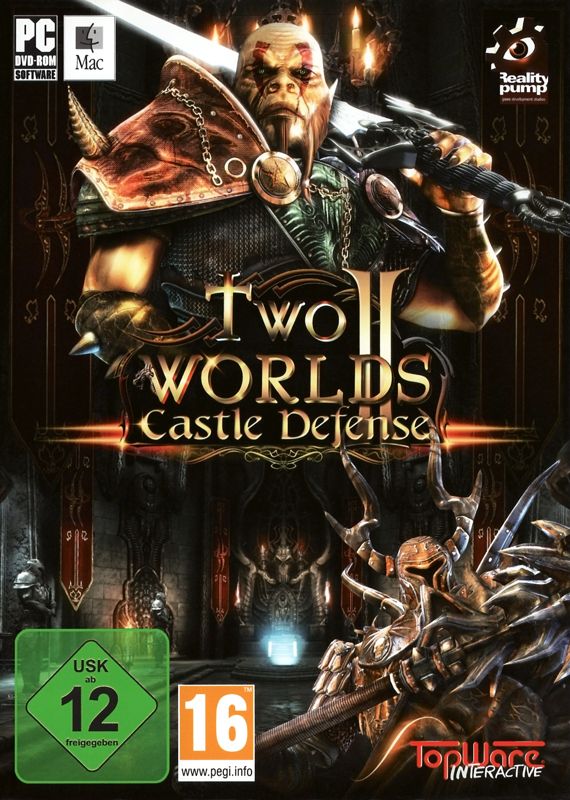
Two Worlds II: Castle Defense earns its place as a compact spin-off because it does not simply copy the tower-defense formula. Direct spells, troop-shifting support, and generous pausing make you feel responsible for the outcome after deployment, not just before it. When that interplay clicks, a wavering defense becomes a small tactical problem you can actually solve.
Its limitations are equally clear. Five levels leave little room for a long campaign arc, and the recovery of defeated troops tempers the sting of bad decisions. That can make it approachable if you dislike punishing defense games, but veterans looking for relentless attrition may find the challenge lacks teeth.
At 6.5, it lands as a decent, focused experiment rather than an essential strategy game. Give it a chance if you want a short fantasy defense game where you can pause, react, and actively influence each wave. Skip it if you need a large-scale campaign or a tower-defense game that demands ruthless precision from every placement.


Reviews
There are no reviews yet.