 Retro Replay Retro Replay gaming reviews, news, emulation, geek stuff and more!
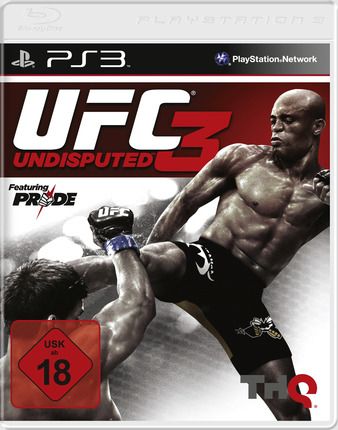
Retro Replay Review
Gameplay
The first few fights make it clear that UFC Undisputed 3 is not interested in being a button-mashing brawler. You are constantly judging distance, stamina, and risk. A strike can create an opening, but it can also invite a clinch or a takedown, and the momentum of a fight can turn sharply once bodies hit the mat. That push and pull is the game’s greatest strength: winning feels like you earned it by making better decisions, not simply by landing more hits.
The standup, clinch, and ground positions each have their own moves and priorities, which gives bouts a welcome sense of escalation. Standup exchanges reward timing and composure; clinch work becomes a battle for control; ground fighting asks you to defend, improve position, or chase a finish before your opponent can recover. The revised stamina and submission systems add further pressure, and damage recovery between rounds means a rough stretch does not always doom the whole fight.
Grappling is also where the game can test your patience. There is a real learning curve to transitions and submissions, especially if you arrive expecting the immediate clarity of a traditional one-on-one fighter. The Amateur grappling option is a smart inclusion because it makes ground transitions less intimidating without removing the sport’s tactical heart. Start there if you are new, then move to Pro controls once the flow begins to make sense.
Career mode gives that learning process a useful frame. Building a created fighter through sessions, camps, matches, rankings, and game plans makes improvement feel connected to a larger climb. Choosing a weight class, martial arts background, and attributes such as strength, speed, cardio, and footwork encourages you to shape a fighter rather than merely pick one. Fight purse cred feeding into camps and new moves is a satisfying loop, though it asks you to invest time before your fighter feels fully formed.
Outside Career, there is a sturdy set of ways to fight: scheduled matches, title pursuits, title defenses, Ultimate Fights, and local or online multiplayer. Pride mode is the real draw for fans of the sport’s other major legacy. Its long first round, permissive rules including kicks to a grounded opponent and head stomps, plus the Grand Prix format where damage carries across multiple bouts, make it feel more punishing and more distinct than a simple rules toggle.
Graphics
The game uses a third-person fighting view that keeps both fighters and the changing distance between them in frame. Fighter entrances, real-fight footage, and interview clips give the menus and bouts a broadcast-minded UFC-and-PRIDE flavor, while the licensed roster does much of the work in making each matchup immediately recognizable.
Story
There is no authored narrative to carry you from bout to bout; Career mode instead builds its drama through the rise of your created fighter. You train, book fights, follow rankings and news, and try to become famous, so the story is the record you make through victories, losses, and gradual improvement.
That structure suits an MMA game. A custom fighter with a chosen discipline and developing attributes naturally creates a personal arc: perhaps a striker learns enough ground defense to survive, or a grappler spends camp currency expanding a thin standup game. The game does not need a scripted rival to make a title chase feel meaningful when rankings and preparation give each matchup context.
Pride mode tells a different kind of combat story. A Grand Prix turns damage into a lingering consequence rather than something that disappears after a single match, so surviving one fight changes the stakes of the next. It is a simple framework, but it captures the attrition and desperation that make tournament formats compelling.
Overall Experience
UFC Undisputed 3 is at its best when you stop treating it like a quick arcade fighter and start reading each bout as a contest of positions. The first hour can be bruising, particularly if an opponent drags you into unfamiliar grappling exchanges, but the systems start clicking once you recognize when to preserve energy, when to press, and when to abandon a failing plan.
The licensed UFC and PRIDE material gives the package breadth, and Pride mode is more than a novelty because its rule set and tournament damage genuinely alter how you approach a fight. Career mode supplies a slower, more personal route through the same fundamentals, while local and online matches let you test whether those fundamentals hold up against another human opponent.
Its 7.9 score feels right: this is a strong, deep MMA game whose demands are also its main barrier. Give it a chance if you want fighting built around the awkward, tactical transitions that define MMA rather than nonstop striking. If you are willing to learn the ground game instead of fighting it, the payoff is substantial. For game-specific background and release details, see UFC Undisputed 3’s history.


Reviews
There are no reviews yet.